₦2,060,500 ₦2,464,999
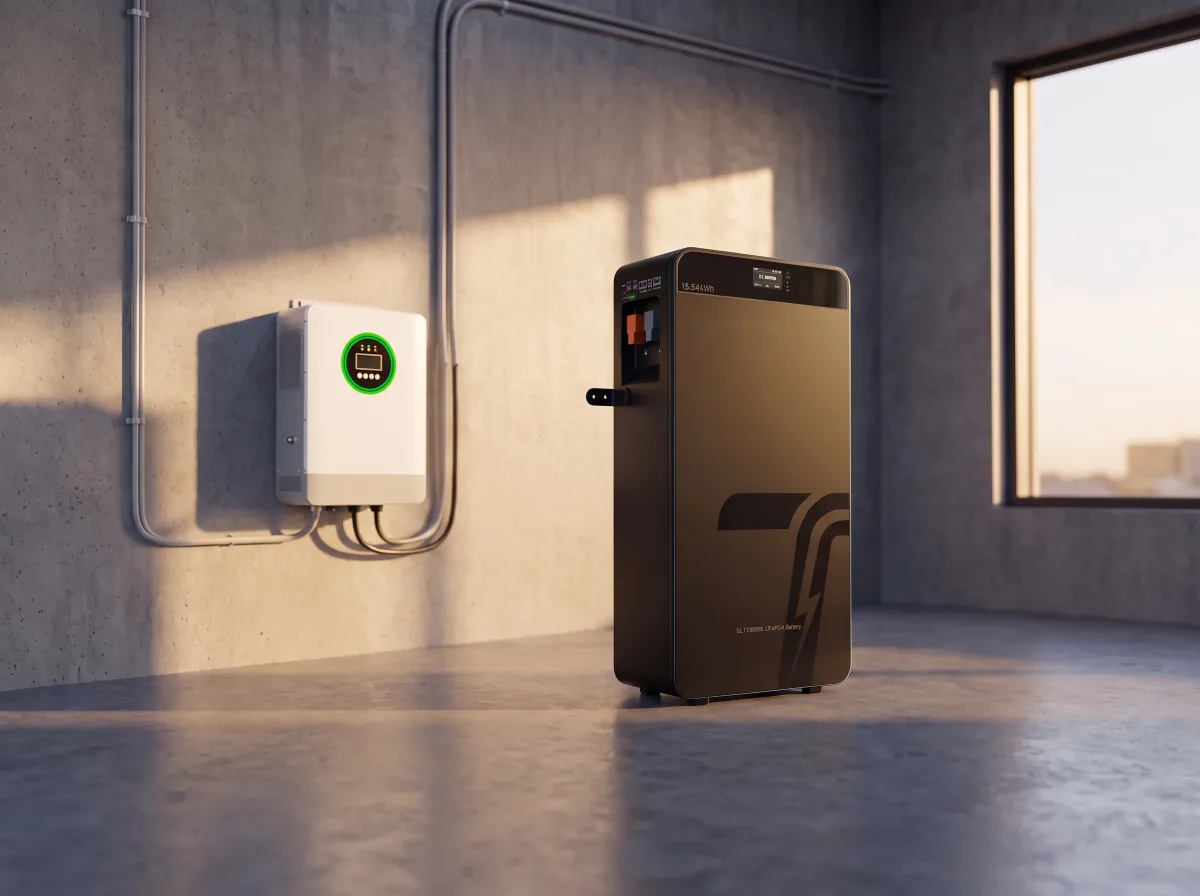
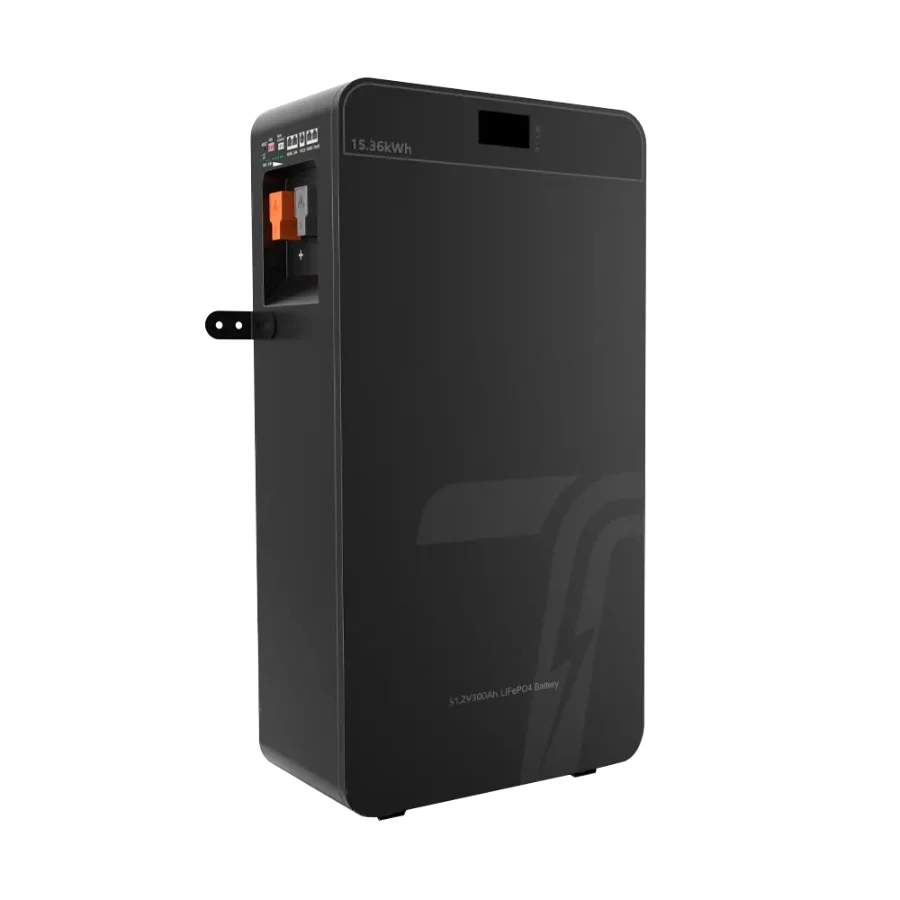
15.36kWh with a 200A BMS — the largest single cabinet we stock. Floor-standing, 113kg, built for whole-home backup and light commercial use.
₦2,060,500
LiFePO₄ from BYD — the same chemistry in every TURSAN unit we sell. Safe, stable, no thermal runaway.
Rated to 6000 cycles at 100% depth of discharge, still holding 70% capacity. Charge it daily and that is over 16 years.
Built-in battery management with UART or Bluetooth. Check voltage, current and state of charge from your phone.
940 × 510 × 425 mm. Floor-standing — site it once and leave it.
Estimates from 15.36kWh, allowing for depth of discharge and inverter losses — about 12,442Wh of real usable energy. A battery does not produce power on its own; you also need an inverter.
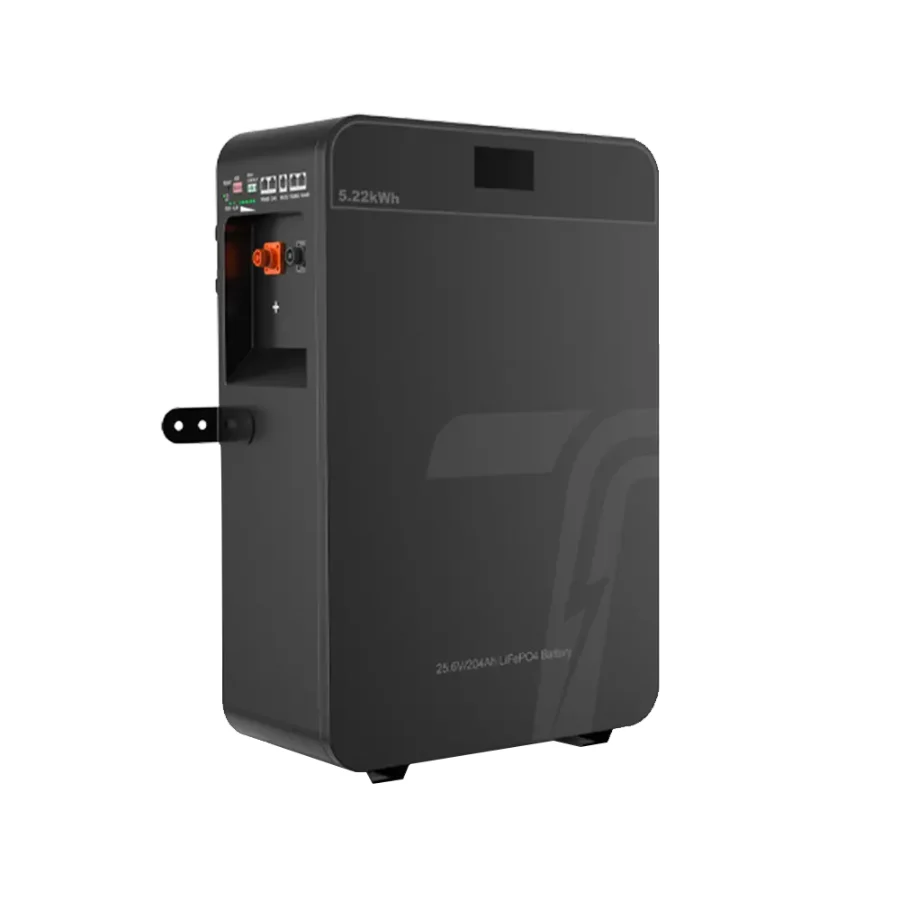
Large-capacity 51.2V storage for substantial backup needs.
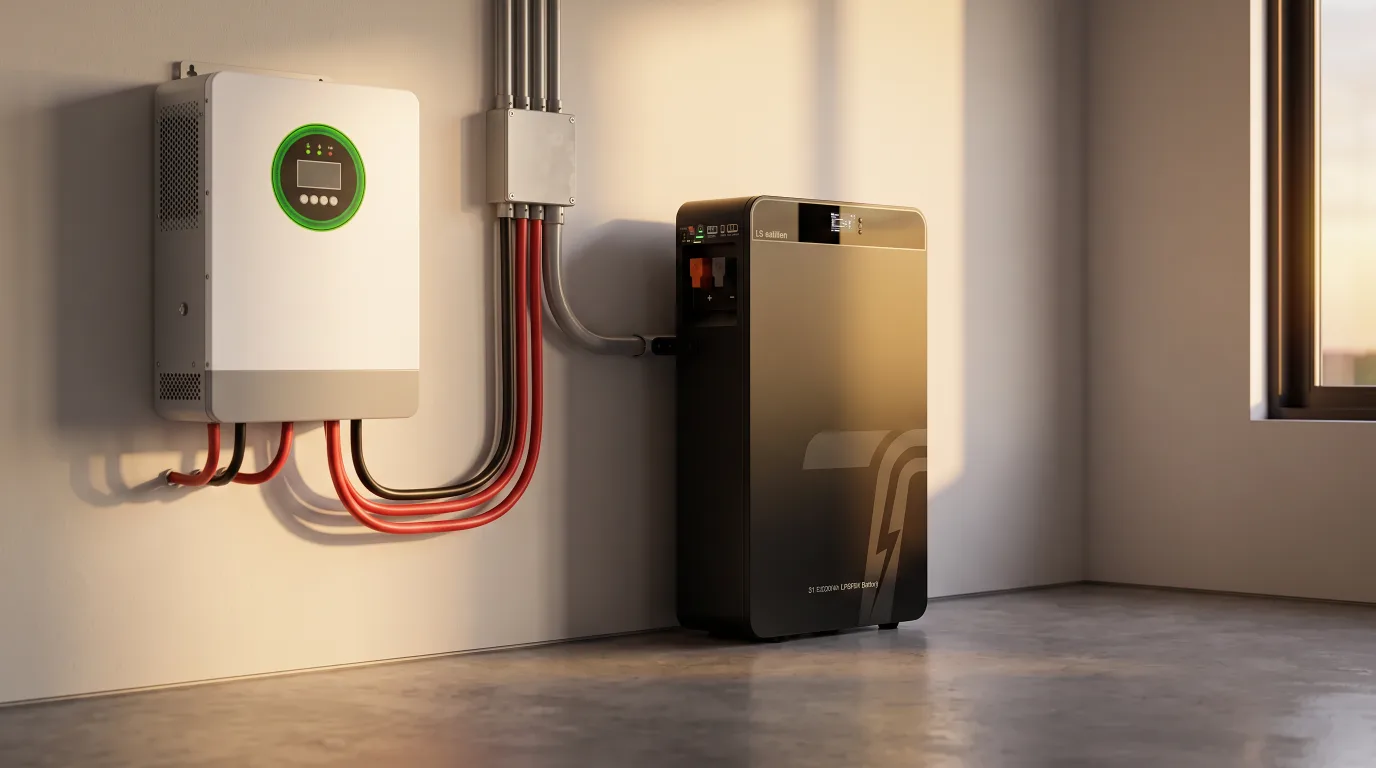
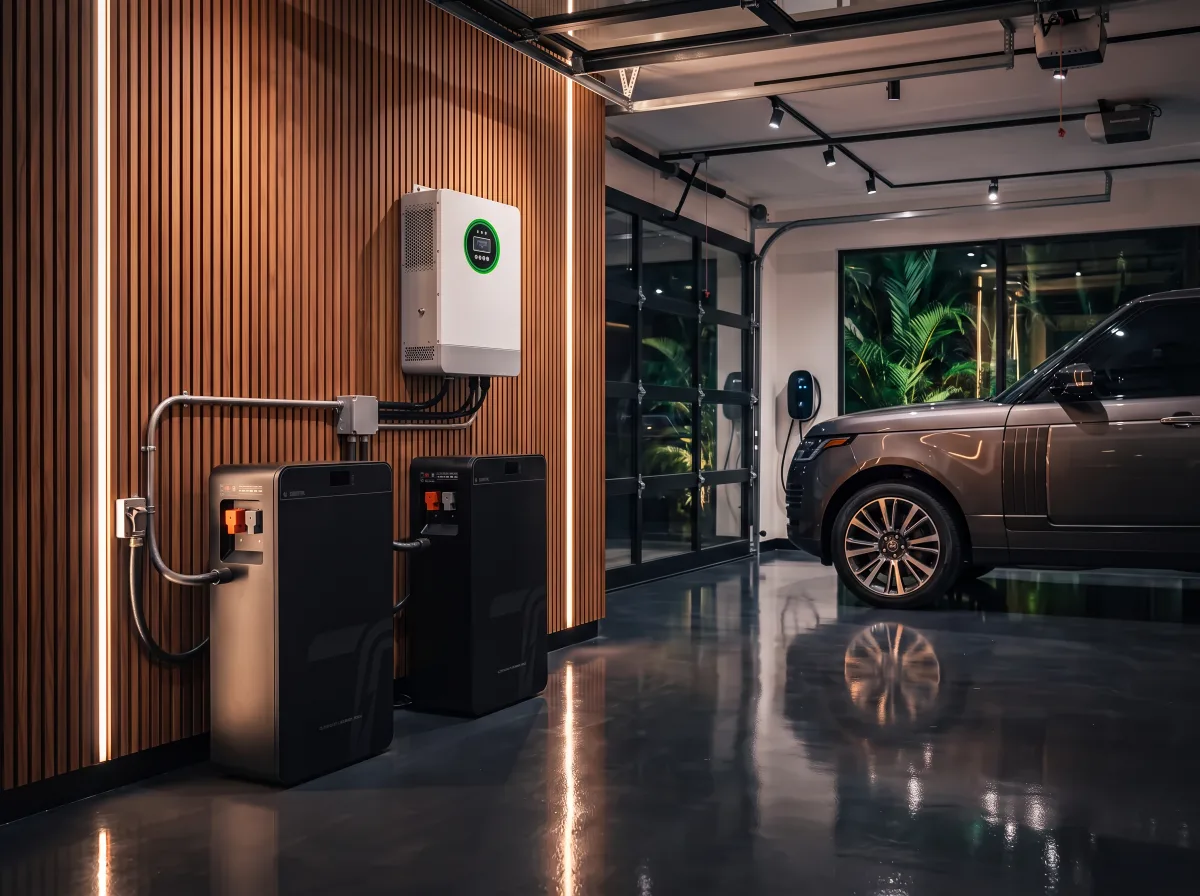
A high-capacity battery integrated with an inverter for whole-home backup.
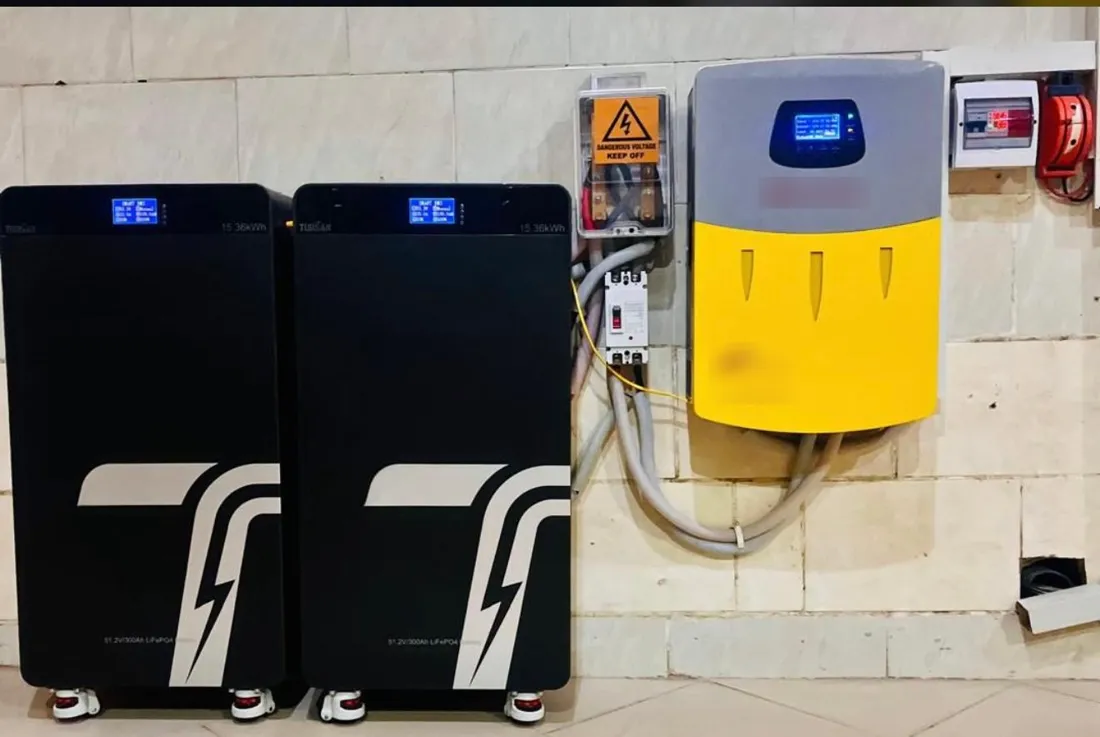 📷 Customer photo
No. A battery only stores energy — it needs an inverter to turn 51.2V DC into the 220V your sockets use.
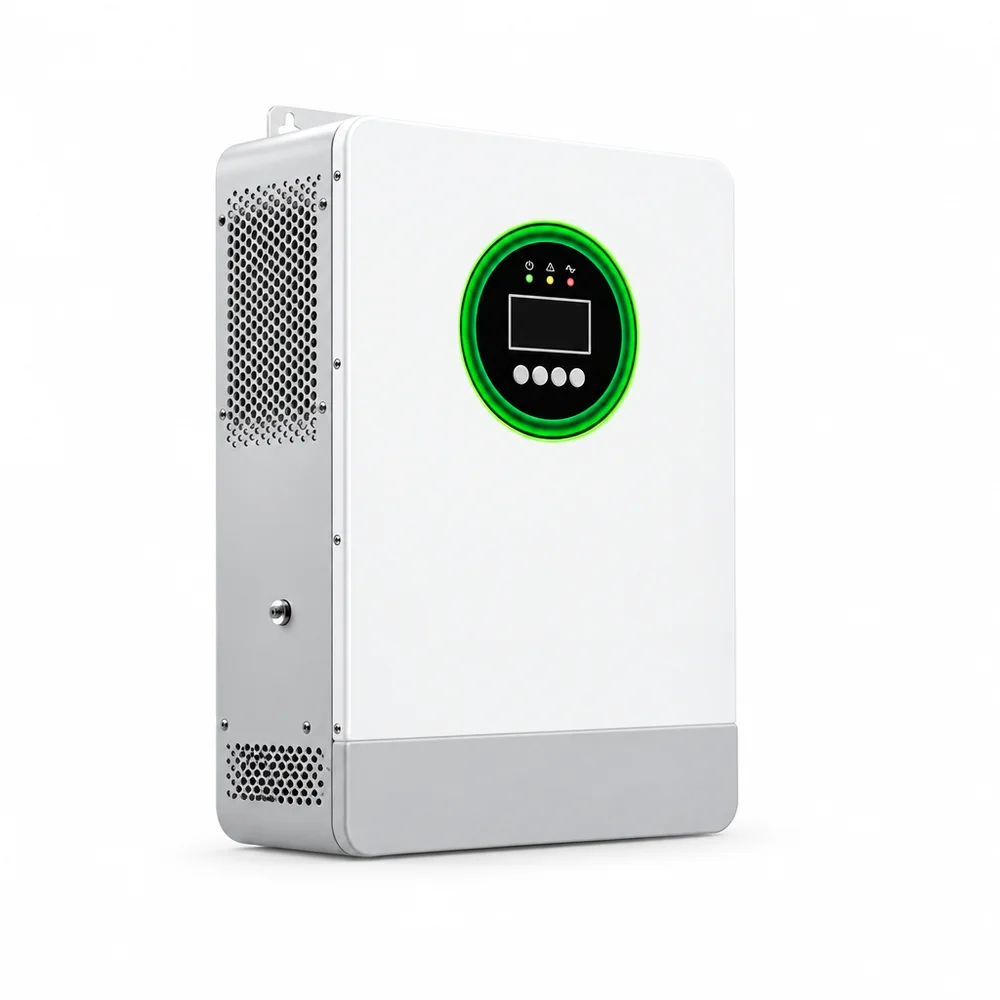
Yes. Our TURSAN JC-AC-6KW hybrid inverter is built for 51.2V cabinets like this one. It will not work with the JC-AC-1.2KW (12V) or the JC-AC-3.6KW (24V).
LiFePO₄ lasts far longer — 6000+ cycles against roughly 1,500 for a good tubular — weighs far less for the same energy, needs no watering, and can be discharged fully without damage.
About 12,442Wh of usable energy after losses. See the runtime estimates above for typical Nigerian household loads.
Yes — 6 units in parallel. Each one adds another 15.36kWh at the same 51.2V.
No. Your inverter charges it from mains or solar. Charge between 0°C ~ 60°C; full charge voltage is 56.0 – 58.4V DC.
2 years, same as every unit we sell.
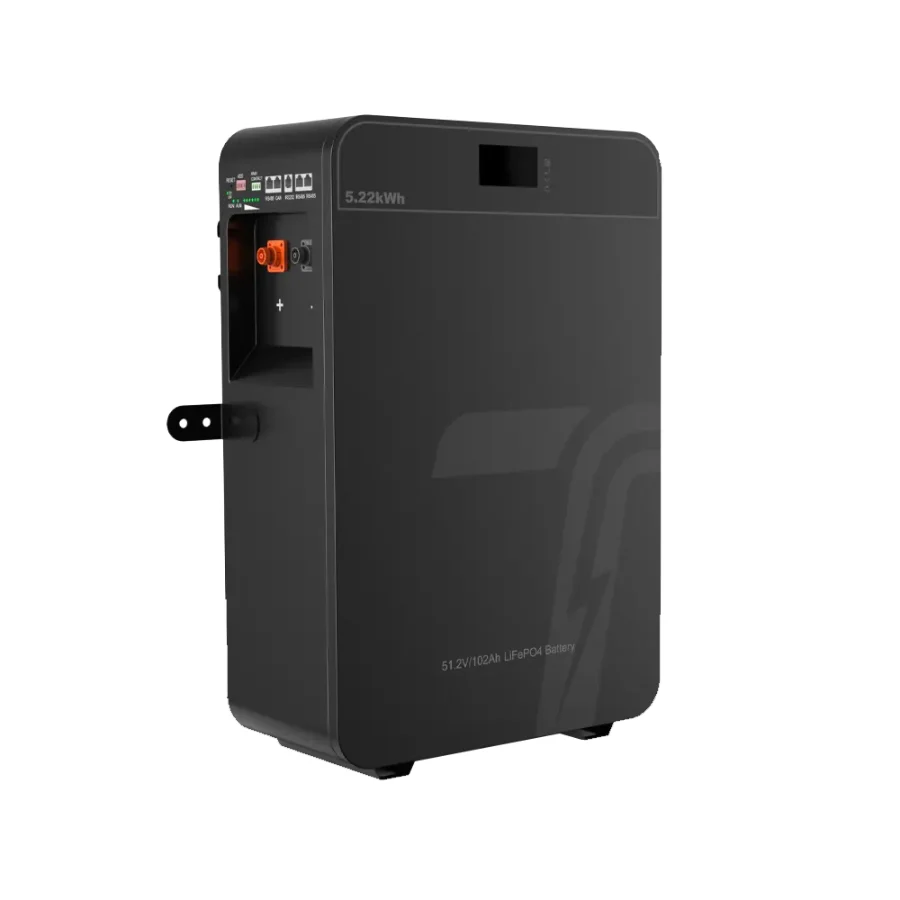
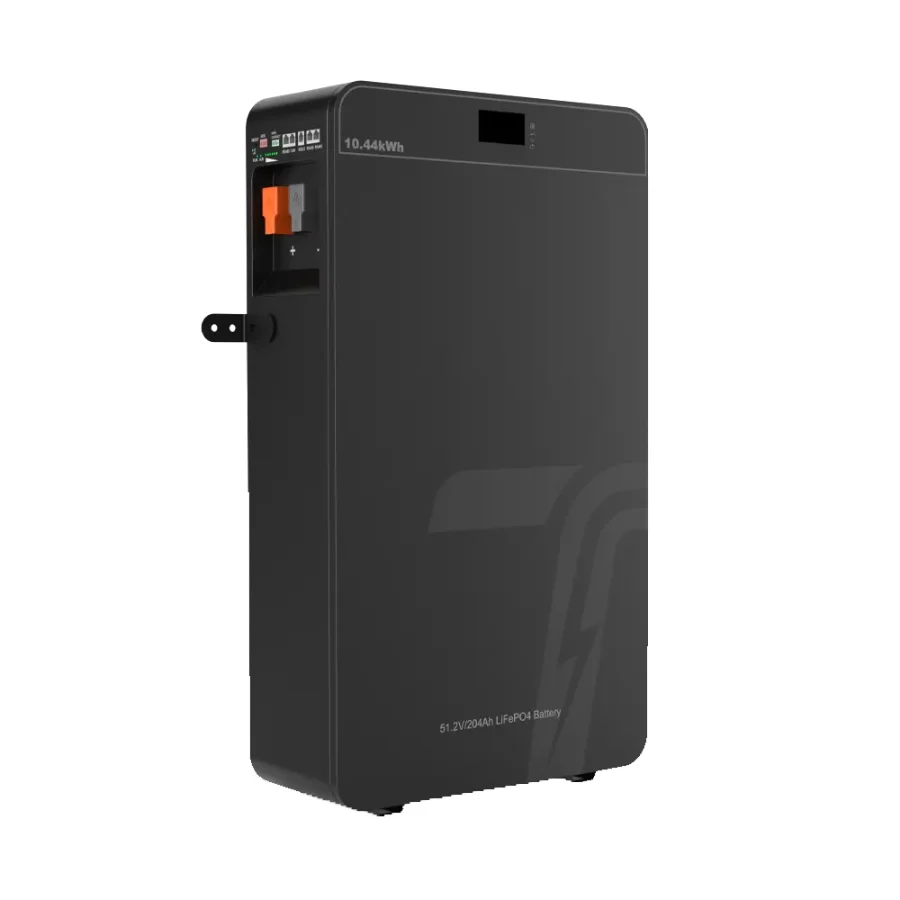
All six are BYD LiFePO₄. The difference is how much they store and what voltage inverter they suit.