On 1 August 2026, the Minister of Power, Joseph Tegbe, ruled out any increase in electricity tariffs beyond current levels. The government’s stated priorities instead are service improvement, universal metering, and ensuring Nigerians pay only for the electricity they actually consume.
That is genuinely good news. It is also worth understanding what it does and does not change.
What was actually announced
No tariff hike for now. Not a reduction — a hold. Band A customers continue paying what they have been paying, and the bands remain as they are.
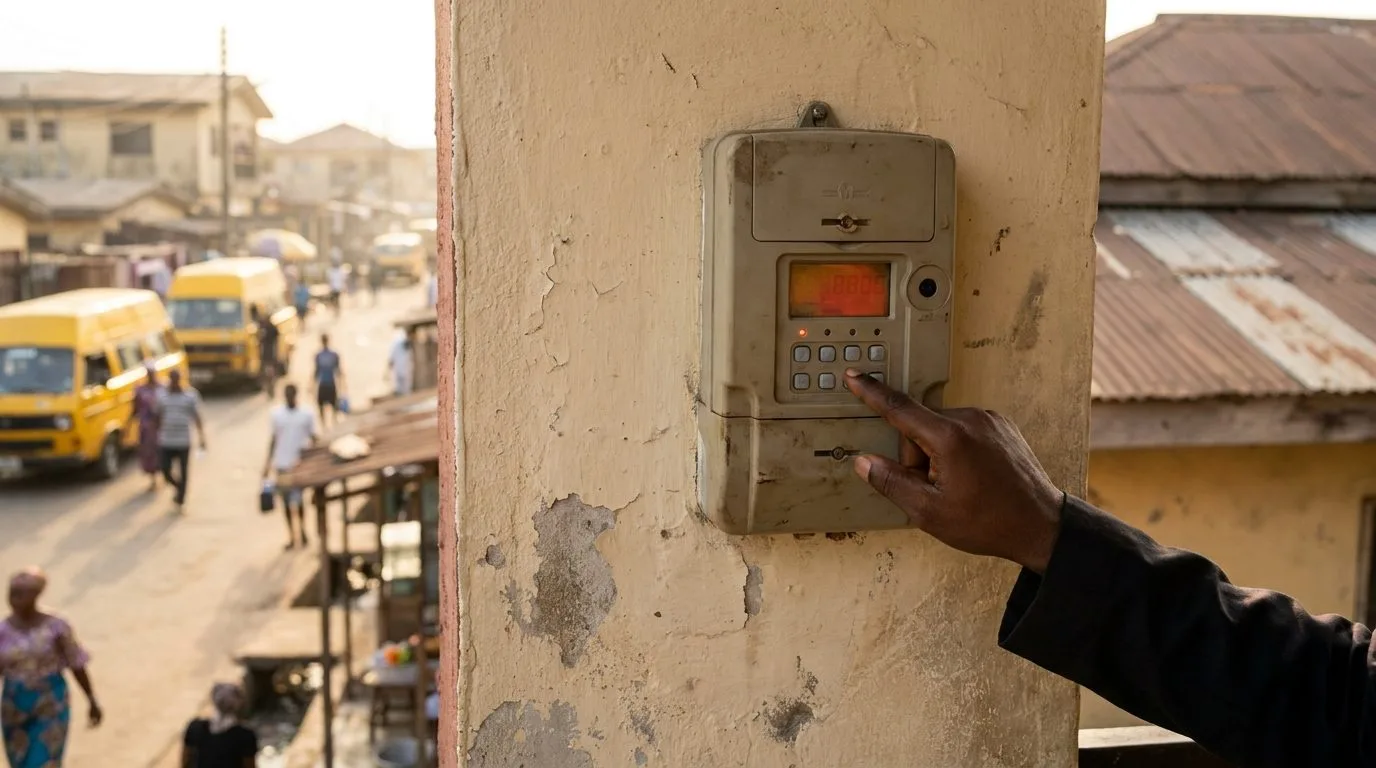
The emphasis on metering matters more than it might sound. Estimated billing has long been the complaint underneath the tariff complaint: not simply that power costs too much, but that many households are billed for electricity nobody can prove was delivered. Universal metering addresses that directly.
The subsidy figure tells the real story
The Federal Government spent ₦358.32 billion on electricity tariff subsidies in the first quarter of 2026, keeping consumer tariffs below the actual cost of supply. That is down ₦60.46 billion, or 14.44%, from the ₦418.79 billion recorded in the final quarter of 2025.
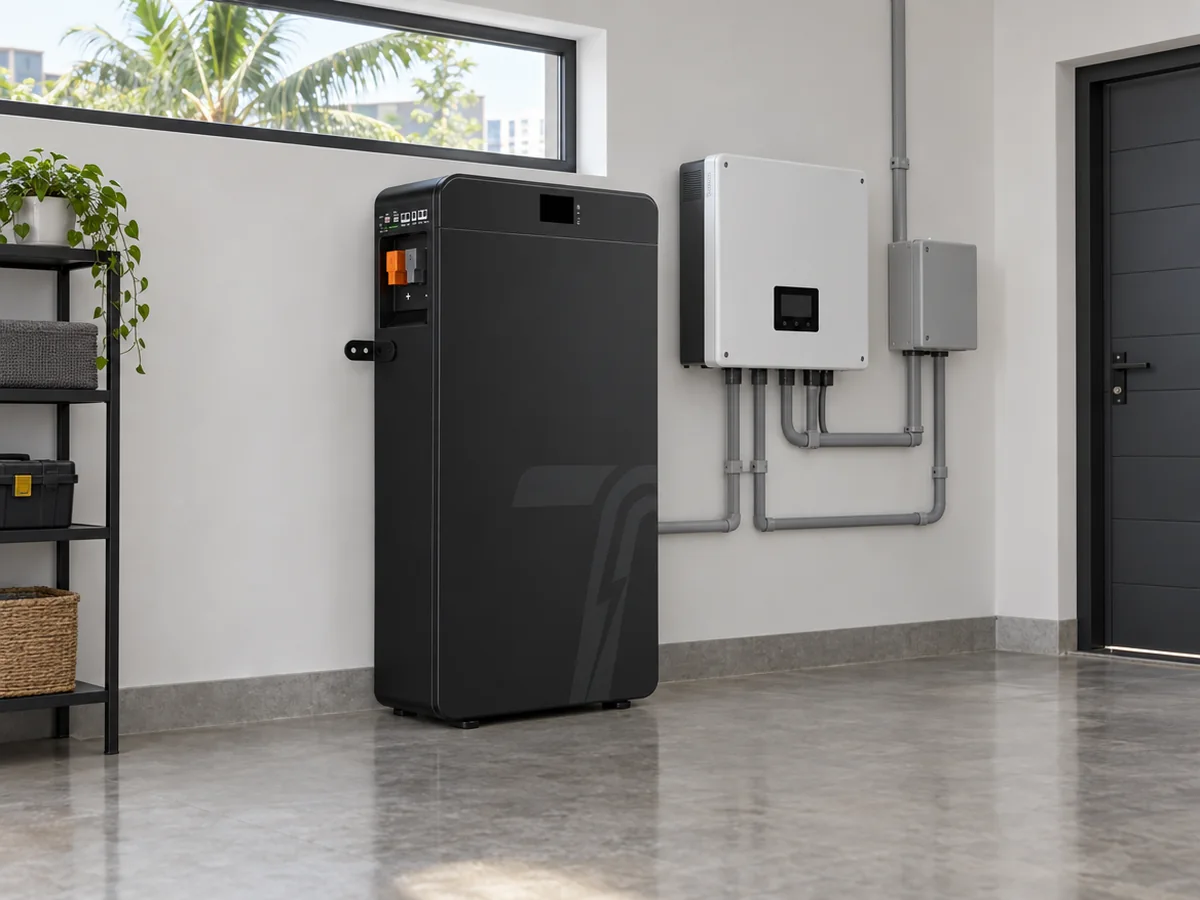
A falling subsidy bill sounds like progress. But NERC attributed the reduction largely to lower electricity offtake by the distribution companies — not to improved tariff recovery.
Read that again, because it is the sentence that matters. The subsidy fell because less electricity was distributed, not because the system got better at paying for itself. Government spent less because Nigerians received less.
What this means for your bill
Practically, three things:
- Your rate is stable for now. Budget on current figures rather than fearing an imminent jump.
- Stability is not the same as sufficiency. A held tariff on a supply that is not there is still an expensive way to buy darkness.
- Metering is the change worth chasing. If you are still on estimated billing, pursuing a meter is likely to affect your bill more than any tariff announcement will.
The number that has not moved
Band A customers are promised twenty hours of supply per day at up to ₦225 per kWh. The tariff is not rising. The question every household already knows the answer to is whether the twenty hours arrive.
When they do not, the cost of the shortfall does not disappear — it moves. It becomes petrol for a generator, spoiled food in a warm fridge, a trading day cut short, a night without a fan. Those costs never appear on an electricity bill, which is precisely why they are so easy to underestimate.
We worked through what this looks like in practice in our Band A tariff breakdown.
Where backup power fits
A held tariff slightly improves the arithmetic for grid power. It does not change the underlying position: a household paying Band A rates for materially less than Band A supply is paying twice, once to the DisCo and once to whatever fills the gap.
The case for storing power when it is available has never rested on tariffs rising. It rests on supply being unreliable — and nothing announced on 1 August changes that.
If you want to see what covering your own load would take, our load calculator will tell you in about a minute.
Frequently Asked Questions
Is there an electricity tariff increase in 2026?
No. On 1 August 2026 the Minister of Power ruled out any increase beyond current levels. It is a hold, not a reduction.
Why did the tariff subsidy fall?
NERC attributed the fall largely to lower electricity offtake by DisCos, meaning less power was distributed, not to better cost recovery.
What does the hold mean for my bill?
Your rate is stable for now, but a stable tariff on a supply that is not there still leaves you without power. Backup power is still worth having.
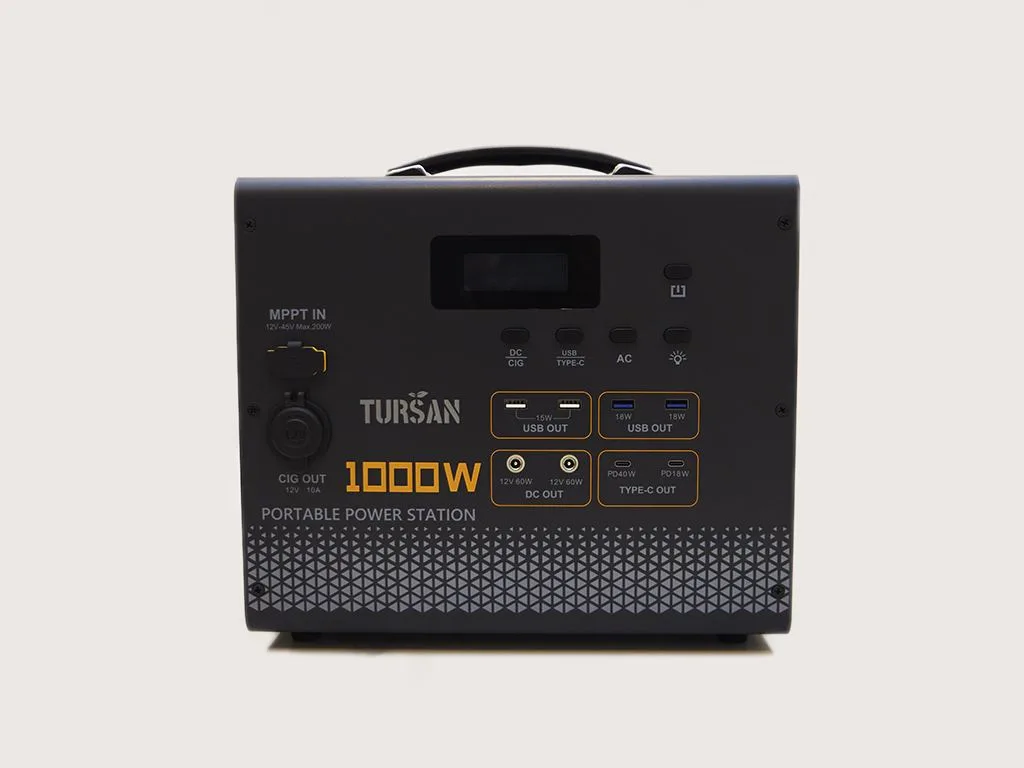
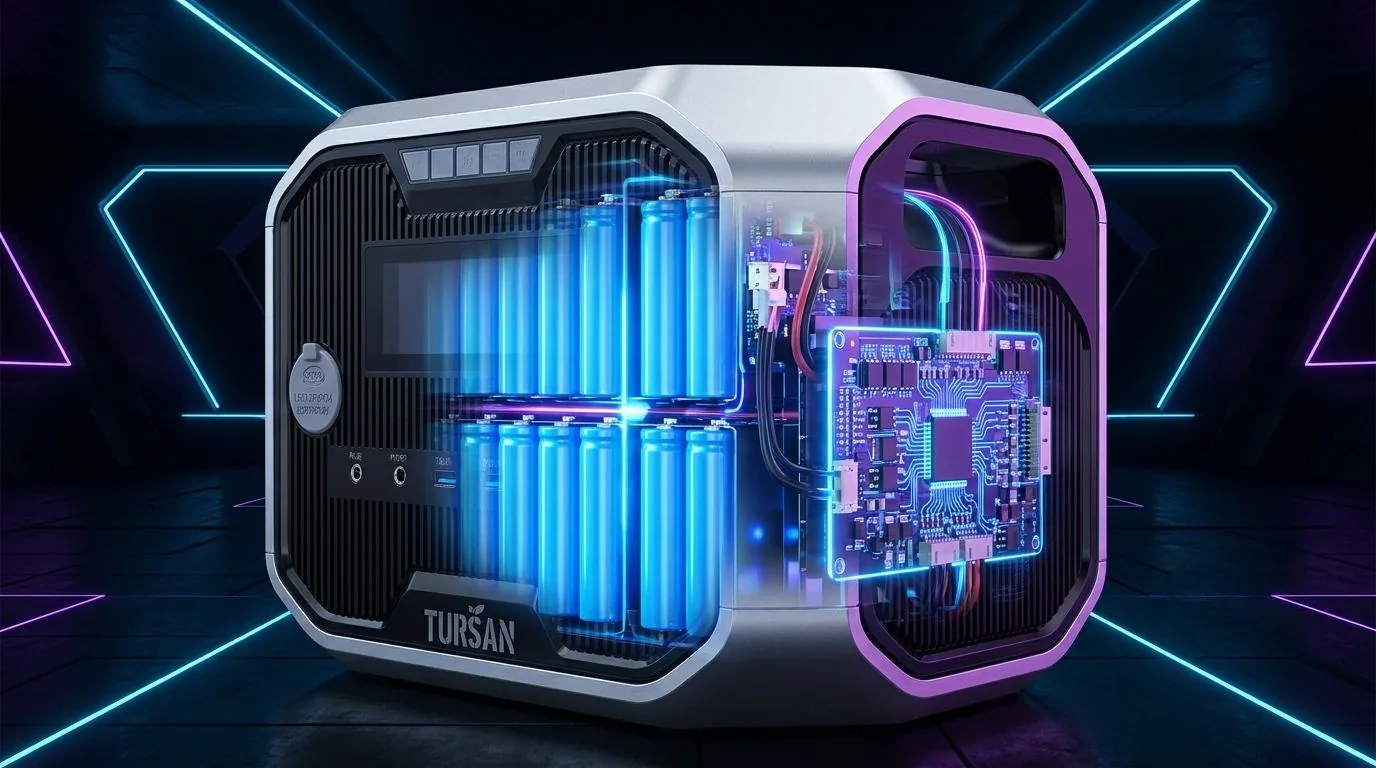
TURSAN YC 1100 — the value pick for Nigerian homes
1,000W output and 1,222.8Wh of BYD LiFePO₄ storage — the most affordable unit in our range that handles a fridge.
₦539,999 View the YC 1100 →Sources: Vanguard, P.M. News, The Guardian Nigeria.