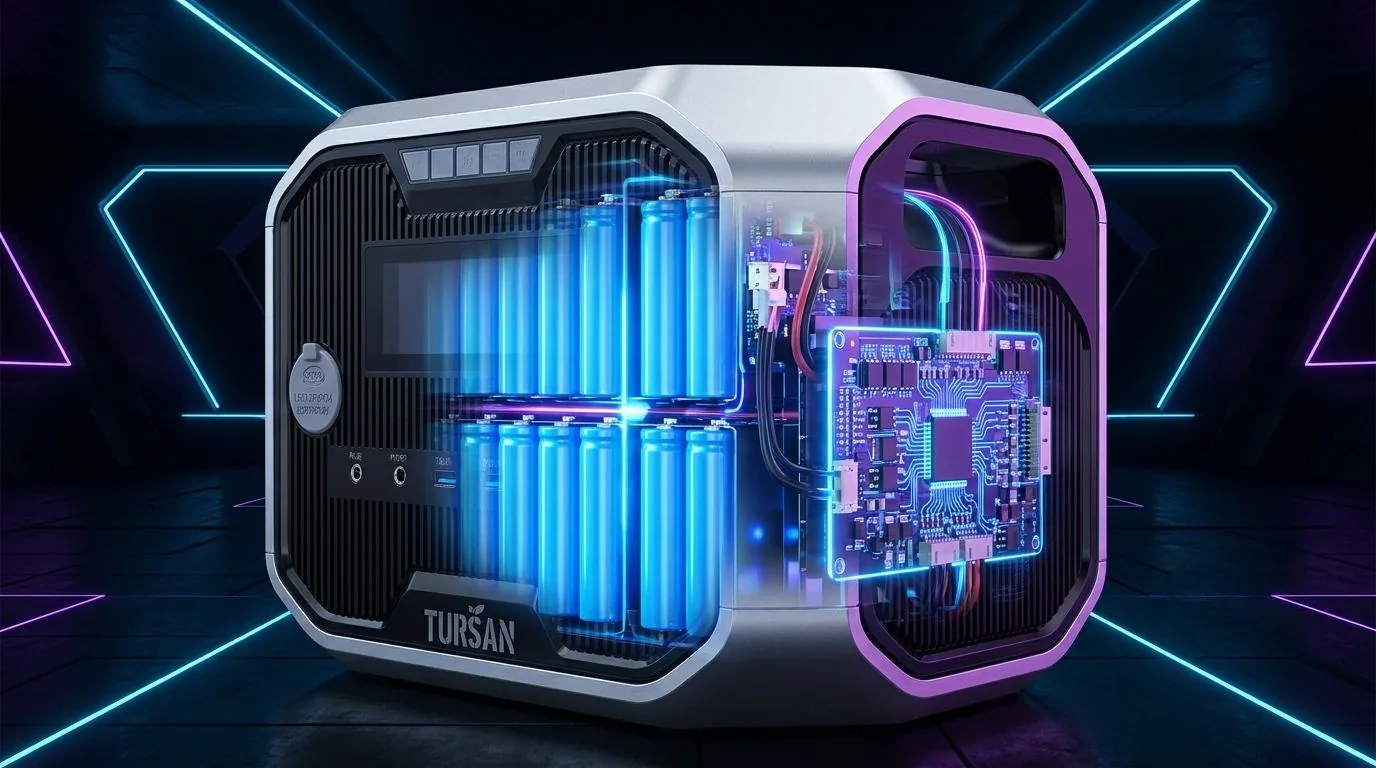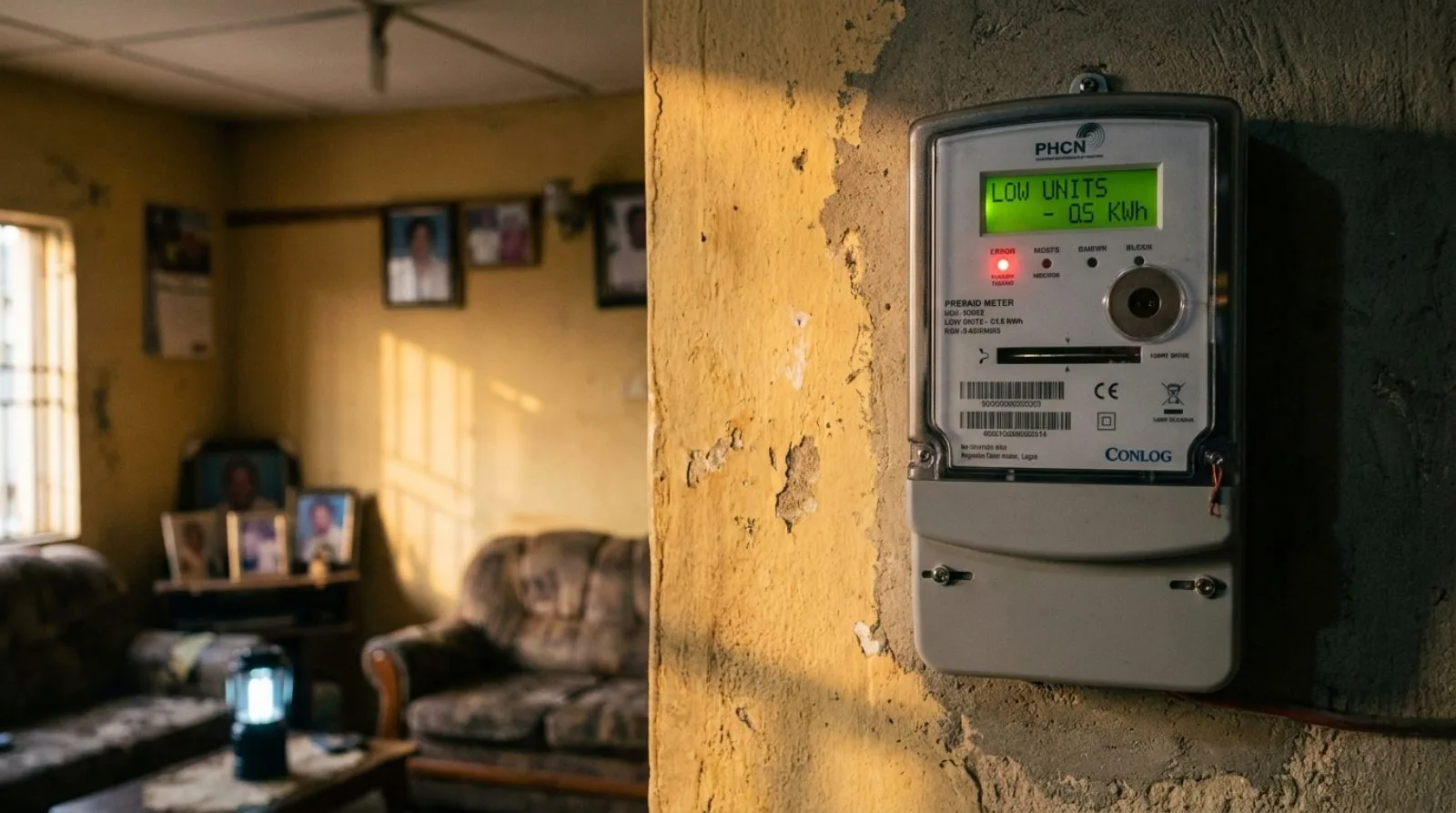
For years the complaint about NEPA was simple: it never comes. There is now a second complaint sitting beside it. When it does come, it costs considerably more than it used to.
If you are on Band A, you are paying the highest tariff in the country for a promise of near-constant supply. Whether you receive that supply is another matter. Here is what the numbers actually look like, and where a power station does and does not change them.
What the bands actually mean
Nigeria’s electricity customers are sorted into five bands, and the band is a promise about hours of supply per day, not about how much power you use.
- Band A — minimum 20 hours per day
- Band B — minimum 16 hours
- Band C — minimum 12 hours
- Band D — minimum 8 hours
- Band E — minimum 4 hours
Band A customers pay the most because they are promised the most. That is the entire logic of the system.
What Band A costs in 2026
The NERC-approved Band A rate sits at around ₦225 per kWh, though individual distribution companies differ. Ikeja Electric reduced its Band A rate to roughly ₦206.80 per kWh, and AEDC has been quoted near ₦209.50. Rates are reviewed regularly and move with inflation and exchange rates, so treat any figure as a snapshot rather than a fixture.
Check your own most recent bill for the rate you are actually charged. The number on your bill is the one that matters, not the national headline.
What that looks like on a real bill
Take a modest Lagos household — no air conditioning, nothing extravagant:
- Fridge, roughly 150W cycling through the day — about 1.5 kWh
- Three standing fans at 45W for six hours — about 0.8 kWh
- Lighting, around 100W for six hours — about 0.6 kWh
- Television at 60W for five hours — about 0.3 kWh
- Router running continuously at 12W — about 0.3 kWh
- Phones and a laptop — about 0.4 kWh
That is roughly 3.9 kWh a day, or about 117 kWh a month. At ₦225 per kWh that is around ₦26,000 a month — a little over ₦310,000 a year, for a home running nothing more demanding than a fridge and some fans.
Add a single 1HP air conditioner running four hours a night and you add roughly 3 kWh a day on its own. Your bill nearly doubles.
The part that stings
Paying the Band A rate does not guarantee Band A supply. NERC has had to order distribution companies to automatically downgrade any Band A feeder that fails to deliver 20 hours a day for seven consecutive days, and has introduced compensation for customers affected by outages.
The existence of both a downgrade rule and a compensation scheme tells you something plainly: the promise is not always met. You can be charged premium rates for a service you did not fully receive, and then have to pursue a rebate for the difference.
Where a power station changes the maths
It is worth being honest about this. A portable power station does not eliminate your electricity bill. You still draw from the grid, and you still pay for what you draw. Anyone telling you otherwise is selling badly.
What it does change is everything around the bill:
- Fuel and servicing disappear. If you currently run a generator through outages, that is petrol, oil changes and repairs every month, indefinitely. A power station is bought once.
- Your appliances stop taking surges. Grid instability kills fridges and televisions slowly. Replacing a fridge costs more than most people budget for.
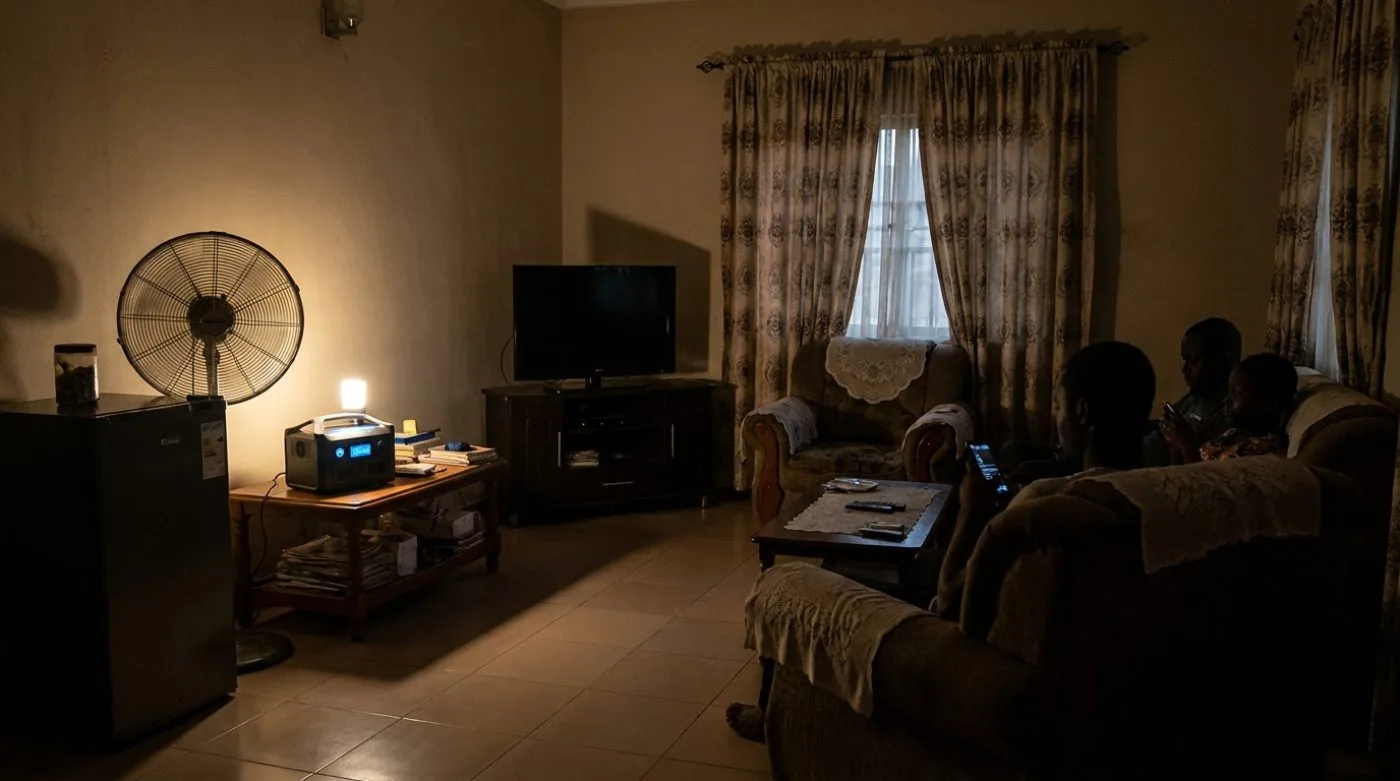
- The hours you were not getting are covered. If you are paying Band A rates and receiving Band C supply, the gap is exactly what a battery fills.
- Solar becomes possible. Once you have storage, panels have somewhere to send their output, and a portion of your consumption stops being billed at all.
What it will not do
A 655Wh unit will not run an air conditioner. It will comfortably hold a fridge, fans, lights, a router and devices through a long outage, which is what most homes actually need overnight. Air conditioning and whole-home backup need the 5kW class of system, and that is a different purchase at a different price.
Be wary of any product claiming to run a full house from a unit you can carry in one hand. Match the capacity to the load honestly, or you will be disappointed.
The bottom line
Work out your own figure. List what you run, for how long, add up the watt-hours, and multiply by the rate printed on your last bill. Then set that against what you spend on fuel in a month.
For a lot of Nigerian households the grid bill is now the smaller irritation and the generator is the larger one. Once that is true for you, storage stops being a luxury and starts being arithmetic.
Frequently Asked Questions
What does Band A mean?
Band A customers are promised at least 20 hours of supply a day. The band is a promise about hours of supply, not about how much power you use.
How much does Band A electricity cost in 2026?
The NERC-approved Band A rate is around ₦225 per kWh, though DisCos differ. Check your own latest bill for the rate you are actually charged.
Does paying Band A guarantee supply?
No. NERC had to order DisCos to downgrade Band A feeders that fail to deliver 20 hours a day for seven days in a row, which shows the promise is not always met.
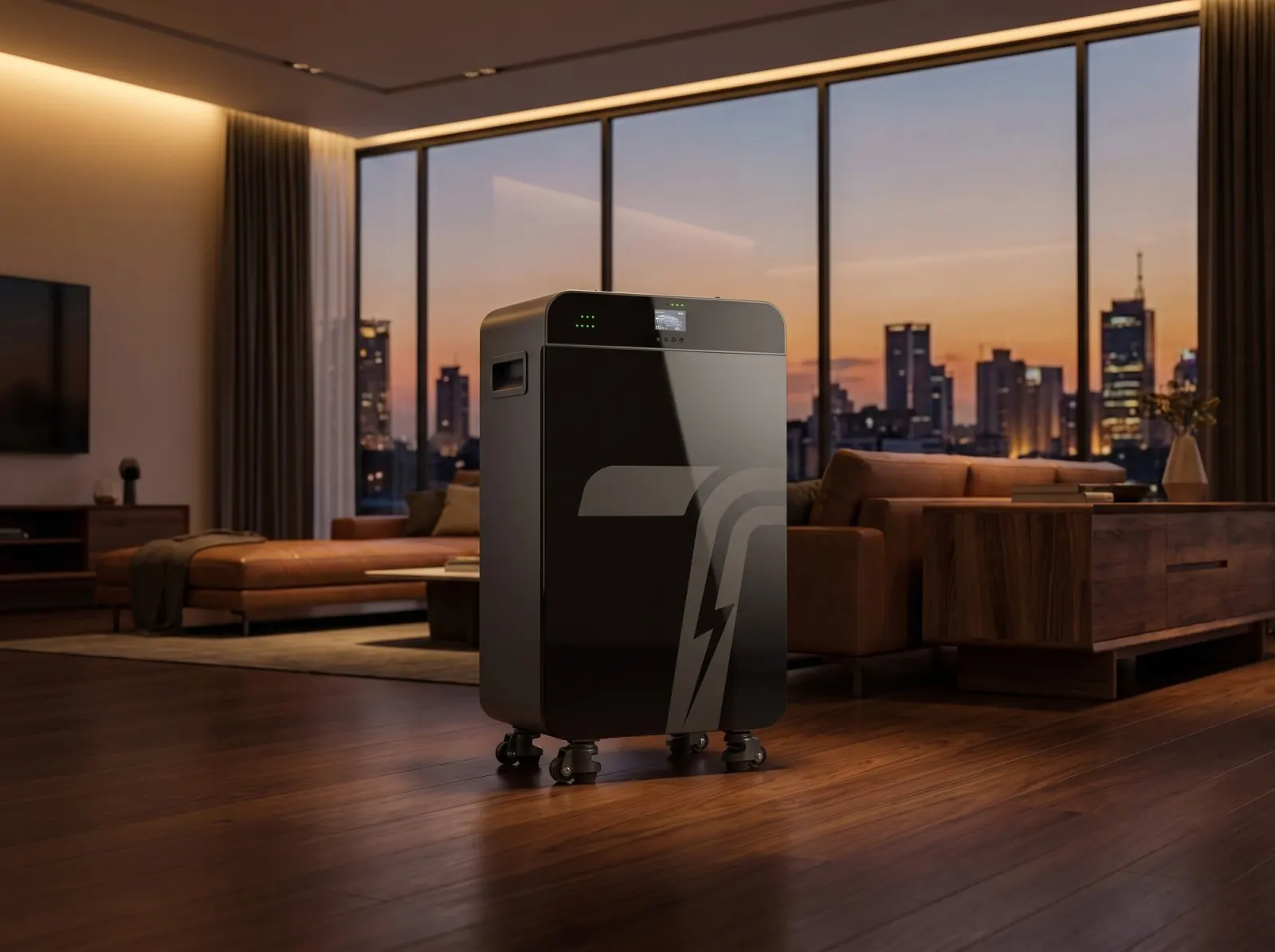
TURSAN JC-YT-5K
5kW pure sine wave inverter, 5,222.8Wh BYD LiFePO₄ battery and MPPT solar in one sealed cabinet — no battery-to-inverter wiring to get wrong.