The Nigerian portable power station market has exploded. Walk through Computer Village in Ikeja, scroll through Jumia, or browse Instagram ads, and you'll find dozens of brands — from unknown Chinese imports to established names. Prices range from ₦150,000 to ₦2,000,000+, and every brand claims to be "the best."
So how do you actually tell the difference? And why should you consider NIXDIN's TURSAN lineup over cheaper alternatives?
We're going to be transparent here. Yes, we sell TURSAN power stations. But rather than just shouting "buy ours," we'll show you exactly what differentiates a quality power station from a cheap one — so you can make an informed decision, even if you don't buy from us.
🚨 The Problem with "Cheap" Power Stations
Lagos markets are flooded with power stations priced at ₦80,000-₦200,000 that look identical to premium models on the outside. But inside, they use recycled lithium-ion cells, no BMS protection, and modified sine wave inverters that can damage your devices. Some buyers have reported batteries dying within 6 months, units overheating, and even swelling batteries. The "savings" become expensive waste.
The 5 Things That Actually Matter in a Power Station
Before comparing brands, understand what separates a reliable power station from a risky one. These five factors determine whether your investment lasts 10 years or 10 months:
1. Battery Chemistry: The Single Most Important Factor
This is where the biggest differences hide. There are two main battery types in portable power stations:
Lithium-Ion (Li-ion / NMC):
- Used in most budget and mid-range power stations
- Typical lifespan: 500-800 charge cycles before significant degradation
- Higher risk of thermal runaway (overheating, swelling, in rare cases fire)
- Performance degrades significantly in Nigeria's heat (35-45°C ambient temperatures)
- After 2 years of daily use, expect 60-70% of original capacity remaining
Lithium Iron Phosphate (LiFePO4):
- Used in TURSAN power stations — specifically BYD-manufactured LiFePO4 cells
- Typical lifespan: 4,000+ charge cycles — that's 10+ years of daily use
- Virtually zero thermal runaway risk — the safest lithium battery chemistry available
- Performs well in high temperatures — critical for Nigerian climate
- After 4,000 cycles, still retains 80%+ of original capacity
⚡ Why BYD Cells Matter
Not all LiFePO4 is equal. BYD is the world's largest manufacturer of LiFePO4 batteries — they supply Tesla, Toyota, and major grid storage projects. TURSAN power stations use genuine BYD cells, not generic LiFePO4 from unknown factories. This means tighter quality control, more consistent performance, and a battery you can actually trust for a decade.
| Battery Factor | Generic Li-ion | TURSAN (BYD LiFePO4) |
|---|---|---|
| Cycle Life | 500-800 cycles | 4,000+ cycles |
| Expected Lifespan | 1-3 years | 10+ years |
| Thermal Stability | Degrades above 35°C | Stable up to 60°C |
| Fire/Swelling Risk | Moderate | Near zero |
| Capacity After 2 Years | 60-70% | 95%+ |
| Cell Manufacturer | Unknown / mixed | BYD (world leader) |
2. Battery Management System (BMS)
The BMS is the brain that protects the battery. A good BMS prevents overcharging, over-discharging, overheating, short circuits, and current overload. A bad BMS — or no BMS — is why cheap power stations swell, overheat, or die early.
TURSAN power stations use a smart multi-layer BMS that monitors each cell individually, balances charge across cells, and has independent temperature sensors. Many generic brands use a single-board BMS that only monitors the pack as a whole — missing dangerous imbalances between individual cells.
3. Inverter Quality: Pure Sine Wave vs Modified Sine Wave
This determines the quality of AC power your devices receive:
- Modified sine wave (cheap brands): Produces a choppy, stepped waveform. Causes buzzing in speakers, flickering in LED lights, interference in monitors, and can damage sensitive electronics over time. Some laptop chargers refuse to work with modified sine wave.
- Pure sine wave (TURSAN): Produces clean, smooth power identical to your wall socket. Safe for all electronics — laptops, medical equipment, audio gear, monitors. Every TURSAN model outputs pure sine wave.
4. Certifications: The Trust Signals
Legitimate certifications tell you that an independent lab has tested the product for safety. TURSAN lists CE, RoHS and FCC marks for its lithium battery packs in its 2025 catalogue. For any unit, check the rating label on the product itself for the marks.
Many generic brands display certification logos on their packaging without actually holding the certification. If a brand can't provide their certificate number upon request, those logos are likely fraudulent.
5. Warranty and After-Sales Support
This is where the difference between a brand and a random import becomes painfully clear:
| Support Factor | Generic Import | NIXDIN / TURSAN |
|---|---|---|
| Warranty | None or "3 months" | 2 years full warranty |
| Local Support | None — seller disappears | Nigerian-based team |
| WhatsApp Support | No response | Direct line, real humans |
| Replacement Parts | Unavailable | Available locally |
| Return Policy | No returns | Clear return process |
| Product Knowledge | Seller doesn't know specs | Team knows every product detail |
The "Cheap" Power Station Trap
Let's do the real math on why a ₦150,000 power station is actually more expensive than a ₦539,999 one:
Scenario: The ₦150,000 "Bargain"
- Purchase price: ₦150,000
- Battery degrades to 60% capacity within 18 months
- No warranty — replacement cost: ₦150,000
- Second unit also degrades within 18 months
- 3-year total: ₦300,000-₦450,000 (2-3 units purchased)
- Quality of power: modified sine wave — risk of device damage
- Support: none
Scenario: The TURSAN YC1100 at ₦539,999
- Purchase price: ₦539,999
- Battery retains 95%+ capacity after 3 years
- 2-year warranty covers any defects
- Expected lifespan: 10+ years
- 3-year total: ₦539,999 (one unit, still going strong)
- Quality of power: pure sine wave — safe for all devices
- Support: local team, WhatsApp, warranty claims honoured
⚡ The Per-Year Perspective
The "cheap" option costs ₦100,000-₦150,000 per year when you account for replacements. The TURSAN YC1100 costs ₦54,000 per year over its 10-year lifespan. The premium product is literally half the price when measured by the year.
Common Brands in Nigeria: What to Watch For
Without naming specific competitors (we'll let the specs speak), here are the categories of power stations you'll find in Nigerian markets:
Category 1: Unbranded / White-Label Imports (₦80,000-₦200,000)
These flood Computer Village and Instagram ads. They feature impressive-sounding specs on the box, but inside you'll typically find recycled Li-ion cells, basic or absent BMS, modified sine wave inverters, and no real certification. No Nigerian support, no warranty. The seller won't be there when it fails.
Category 2: Mid-Range Branded (₦250,000-₦500,000)
Some legitimate brands exist in this range, often using standard Li-ion batteries with decent BMS. They may offer some warranty (usually 6-12 months). Quality varies significantly — research each specific model. Check the battery chemistry, inverter type, and whether the brand has a Nigerian presence.
Category 3: Premium / Professional Grade (₦400,000-₦1,500,000+)
This is where TURSAN sits. LiFePO4 batteries from reputable manufacturers, smart BMS, pure sine wave inverters, genuine certifications, and meaningful warranties backed by local teams. The price reflects components that last 10+ years, not 10 months.
How to Spot a Low-Quality Power Station
Whether you buy from NIXDIN or elsewhere, use these red flags to avoid wasting money:
- No battery chemistry listed: If the listing doesn't specify LiFePO4 or Li-ion, assume the worst. Quality brands proudly state their battery type.
- Unrealistic capacity claims: A ₦100,000 power station claiming 3,000Wh capacity is lying. At current cell costs, that's physically impossible at that price point.
- "Modified sine wave" or no inverter type listed: If it doesn't say "pure sine wave," it isn't.
- No certification numbers: FCC and CE logos without numbers are meaningless. Ask for the certification ID.
- No warranty or "warranty through seller": A legitimate brand offers warranty directly. If the warranty depends on finding the same Instagram seller in 6 months, it's not a warranty.
- Suspiciously light weight: Battery capacity correlates with weight. A "2,000Wh" unit that weighs 5kg is physically impossible — LiFePO4 at that capacity weighs 15-20kg.
- No brand website or documentation: If you can't find a website, product manual, or spec sheet for the brand, proceed with extreme caution.
The TURSAN Product Line at a Glance
| Model | Output | Price | Best For |
|---|---|---|---|
| YC600S | 600W | ₦439,999 | Remote workers, POS agents, students |
| YC 1100 | 1000W | ₦539,999 | Home offices, small shops, content creators |
| YC 1200 | 1200W | ₦769,999 | Family homes, salons, small restaurants |
| YC 2400 | 2400W | ₦1,350,000 | Large businesses, fridge shops, workshops |
All TURSAN models share: BYD LiFePO4 cells, 4,000+ cycle lifespan, smart BMS, pure sine wave inverter, MPPT solar input, and a 2-year warranty with Nigerian-based support.
Questions to Ask Before Buying ANY Power Station
Arm yourself with these questions — whether you're buying from NIXDIN, a competitor, or a market seller:
- What battery chemistry does it use? (LiFePO4 is best for Nigeria's climate)
- How many charge cycles before degradation? (Below 2,000 is short-lived)
- Who manufactures the battery cells? (BYD, CATL, EVE = good. "Unknown" = risky)
- Is the inverter pure sine wave? (Anything else risks your electronics)
- What certifications does it have? Can you show me the certificate numbers?
- What warranty do you offer? Who handles warranty claims?
- Do you have a physical office or support team in Nigeria?
- Can I see the product manual and full spec sheet?
If the seller can't answer these questions confidently, walk away.
"The cheapest power station is never the one with the lowest price tag — it's the one that costs you the least per year of reliable service."
The Bottom Line
We won't pretend to be unbiased — we sell TURSAN power stations and we believe they offer the best value in Nigeria. But we've shown you exactly WHY we believe that, with specific, verifiable claims about battery chemistry, BMS quality, inverter type, certifications, and warranty.
The Nigerian power station market is growing fast, and unfortunately, so is the number of low-quality products targeting unsuspecting buyers. Whatever brand you choose, prioritise LiFePO4 batteries, pure sine wave output, real certifications, and a warranty you can actually use.
Your power station isn't a phone case — it's a device that handles high-voltage electricity in your home or business. Quality isn't optional. It's safety.
Frequently Asked Questions
What matters most when comparing power station brands?
Battery chemistry comes first. LiFePO4 cells last thousands of cycles and are far safer in Nigerian heat than cheaper lithium-ion cells.
Why are some power stations so cheap in Lagos markets?
Many cheap units use recycled lithium-ion cells, no proper BMS protection and modified sine wave inverters, which can fail early or damage your devices.
What battery cells do TURSAN power stations use?
TURSAN power stations use BYD LiFePO4 cells, rated for 4,000+ charge cycles.
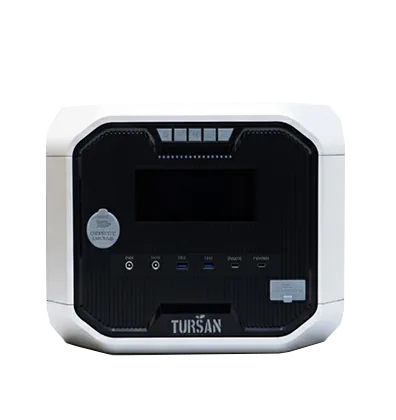
TURSAN YC1200 Portable Power Station
Our most popular model for Nigerian homes and businesses. 1200W pure sine wave output, BYD LiFePO4 battery with 4,000+ charge cycles, MPPT solar input. Built to last a decade in Nigerian conditions. 2-year warranty with local support.