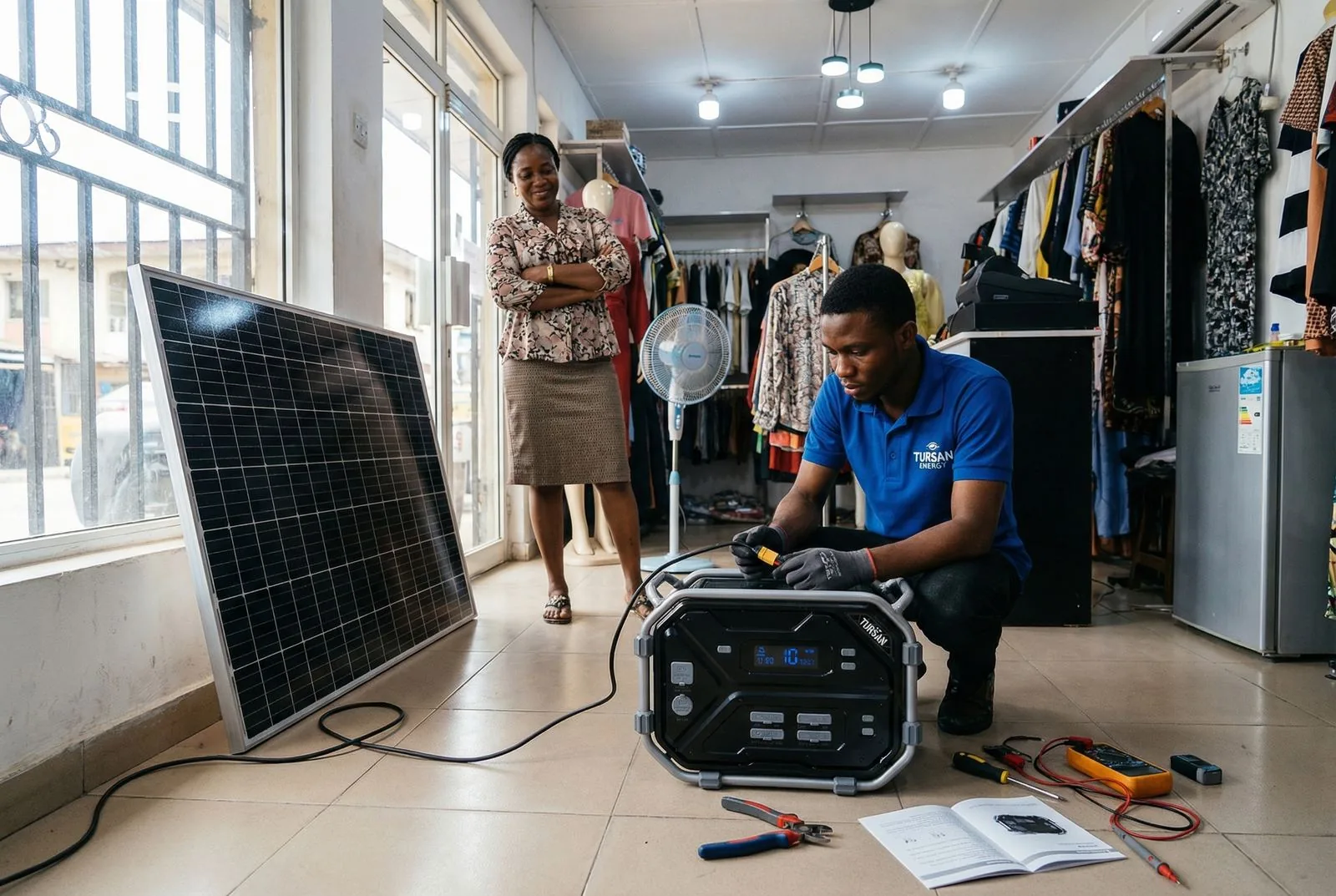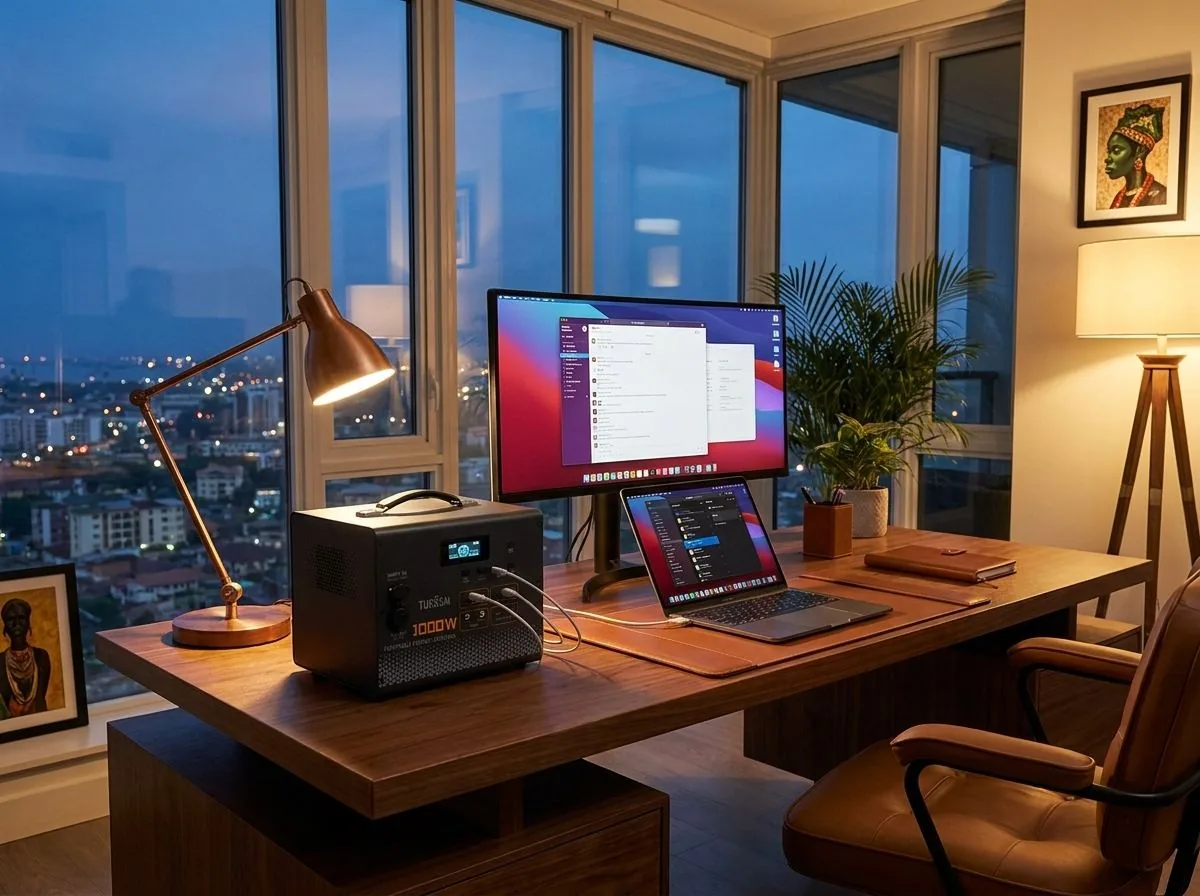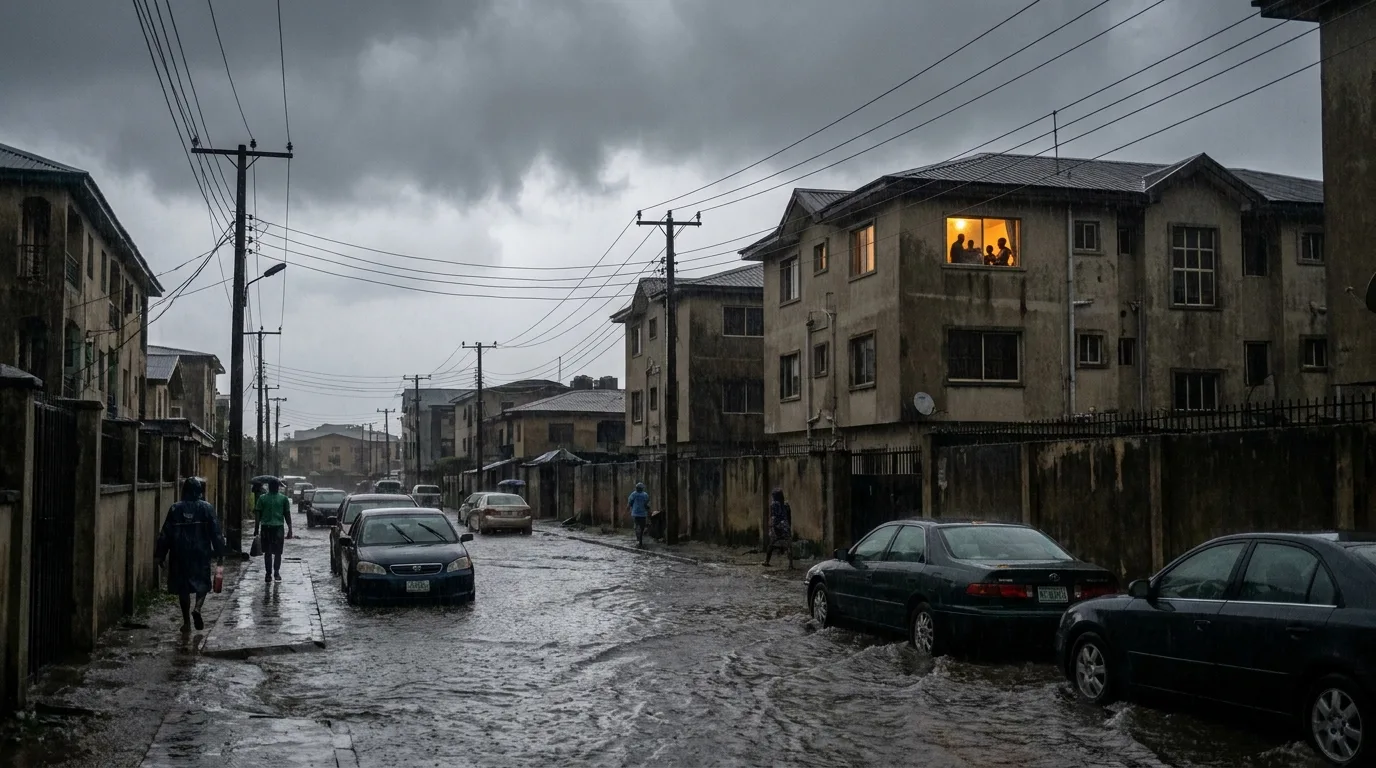
It always starts the same way. One heavy night of rain, and by morning Lekki is a lagoon, Ikorodu Road is a river, and half of Surulere is bailing water out of their shops. Then comes the part every Lagosian knows too well: the lights go out — and they stay out.
Flooding doesn't just soak your street. It takes down the entire power chain you depend on. Understanding why — and how to build a backup that actually works in a storm — is the difference between losing a week of business and barely noticing the outage.
🌧️ The Rainy-Season Power Trap
When Lagos floods, all three of your usual power options fail at the same time: the DisCos switch off flooded areas for safety, petrol becomes scarce because tankers can't move, and running a generator in the rain risks electrocution and carbon monoxide poisoning. The people who stay powered are the ones who prepared before the clouds gathered.
Why Heavy Rain Shuts Down Lagos Power
It isn't bad luck — it's how the system responds to water. During serious rainfall and flooding:
- DisCos de-energize flooded areas. Ikeja Electric and EKEDC deliberately cut supply to waterlogged streets to prevent electrocution from submerged cables and feeder pillars.
- Substations and transformers flood. Water damage to distribution equipment can keep whole districts dark for days after the rain stops.
- Poles and lines come down. Storm winds and saturated ground topple poles, and repair crews can't reach flooded streets quickly.
- Fuel becomes scarce. Flooded roads slow tanker deliveries, queues form at filling stations, and generator fuel suddenly costs more — if you can find it.
- Generators become dangerous. A petrol generator standing in water or running near a closed window during a storm is a genuine hazard, not a backup plan.
Can Solar Save You? The Honest Pros and Cons
Solar is a brilliant part of a Lagos power strategy — we say so ourselves in our solar charging guide. But relying on solar alone during flood season is a mistake. Here's the honest picture:
✅ Advantages of Relying on Solar
- Free energy after setup. Once you own panels, every charge costs nothing — no fuel, no tariff.
- Silent and fume-free. No generator noise, no smoke, no complaints from neighbours.
- No fuel queues. You're completely independent of petrol scarcity and price swings.
- Excellent in the dry season. From November to March, Nigeria's 5-7 hours of peak sun can keep a power station topped up almost daily.
- Pairs perfectly with a power station. Panels plugged into an MPPT solar input quietly refill your battery while you work.
❌ Disadvantages When the Rain Sets In
- Cloud cover slashes output by 60-90%. A panel rated 200W may deliver only 20-60W under thick July storm clouds.
- The rainy season lasts months. From April to October, Lagos can see week-long stretches with barely any direct sunlight.
- You can't deploy panels in a storm. Heavy rain and wind make it unsafe to set out portable panels — exactly when you need power most.
- Multi-day rain means the battery never refills. Solar-only setups slowly drain to zero during long wet spells.
- Peak need, minimum supply. The cruel irony of flood season: your need for backup power peaks precisely when solar output collapses.
⚡ The Smart Move: Fast Charging + Solar Input
You don't have to choose. A fast-charging LiFePO4 power station refills from the grid in just 1.5-2.5 hours — so even a brief NEPA window at midnight becomes a full day of power. Then, when the dry season returns, the same station charges free from solar. One machine, both seasons covered.
Why a Fast-Charging Power Station Wins Flood Season
When the rain is hammering the roof and the street outside is a river, here's how your options really compare:
| Feature | TURSAN Fast-Charge Station | Solar-Only Setup | Petrol Generator |
|---|---|---|---|
| Works during a storm | Yes — runs safely indoors | No — panels need direct sun | No — unsafe in rain and flood water |
| Time to full power | 1.5-2.5 hours from any NEPA window | 6-10+ hours of good sunlight | Needs constant refuelling |
| Safe inside your home | Yes — zero fumes and near-silent | Panels must stay outdoors | Never — carbon monoxide risk |
| Flood-season reliability | Charge before the storm, use for days | Drains to zero in long wet spells | Fuel scarce when roads flood |
| Running cost | A few hundred naira of grid power | Free — when the sun cooperates | Thousands of naira per day in fuel |
Here's what that looks like in practice: NEPA restores power at 2am for two hours. Your TURSAN station is full by 4am. The next day — while the rain continues — your fridge stays cold, your router stays on, your phones stay charged, and your POS keeps printing receipts. Your neighbour with the generator is still queuing for fuel.
Match your backup to your load:
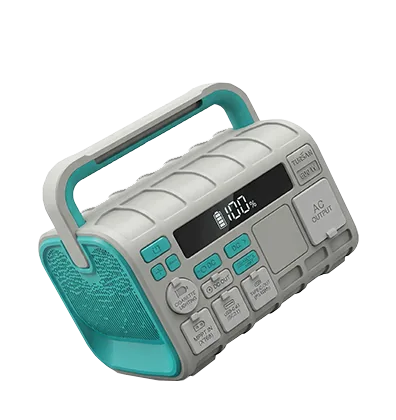
TURSAN YC 600S
Remote workers, POS agents, phone shops, small offices. Powers laptops + router + lights for 5-7 hours.
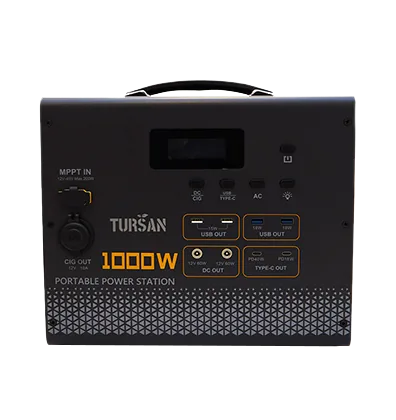
TURSAN YC 1100
Salons (without heavy dryers), medium offices, shops. Handles clippers + lights + fans + charging all day.
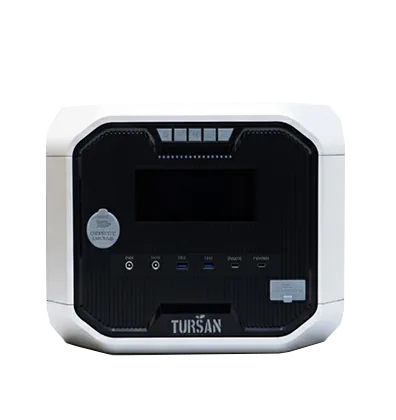
TURSAN YC 1200
Full salon setups, larger offices, small restaurants. Runs dryers, multiple workstations, small appliances.
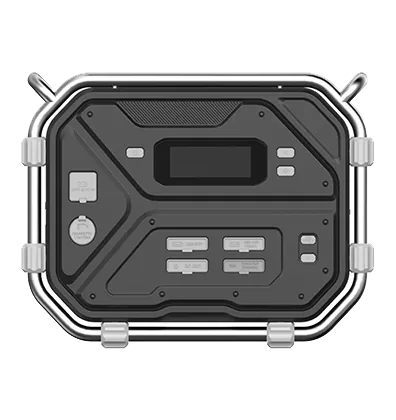
TURSAN YC 2400
Whole-home backup, large businesses, events. Powers fridges, TVs, fans, lights, and full office setups simultaneously.
Your Lagos Flood-Season Power Checklist
- Watch the forecast, then charge to 100%. The moment NIMET announces heavy rain, top up your power station — 1.5-2.5 hours is all it takes.
- Keep the station elevated. Store it on a table or shelf, never on the floor, in case water enters your building.
- Grab every NEPA window. Even a short burst of grid power fully recharges a fast-charging station overnight.
- Prioritise your load. Router, phones, lights and fridge first — they keep you connected, informed, and fed.
- Save the solar panels for the dry spells. Between storms, free sunshine keeps your running costs at zero.
"In flood season, the winner isn't the person with the biggest generator — it's the one who can turn two hours of NEPA light into a full day of power."
Frequently Asked Questions
Why does power go off when Lagos floods?
DisCos switch off flooded areas for safety, substations and transformers flood, poles come down and repair crews cannot reach waterlogged streets.
Is it safe to run a generator during floods?
No. A generator standing in water or running near a closed window in a storm risks electrocution and carbon monoxide poisoning.
Can I rely on solar alone in flood season?
Not alone. Solar is a great part of the plan, but cloudy, rainy days cut output, so a charged battery is what keeps you powered.
TURSAN YC1200 Portable Power Station
The flood-season favourite for Lagos homes and businesses. 1200W pure sine wave output, BYD LiFePO4, fast 1.5-2.5hr charging, MPPT solar ready, 4,000+ cycles. Full 2-year warranty with Lagos delivery.