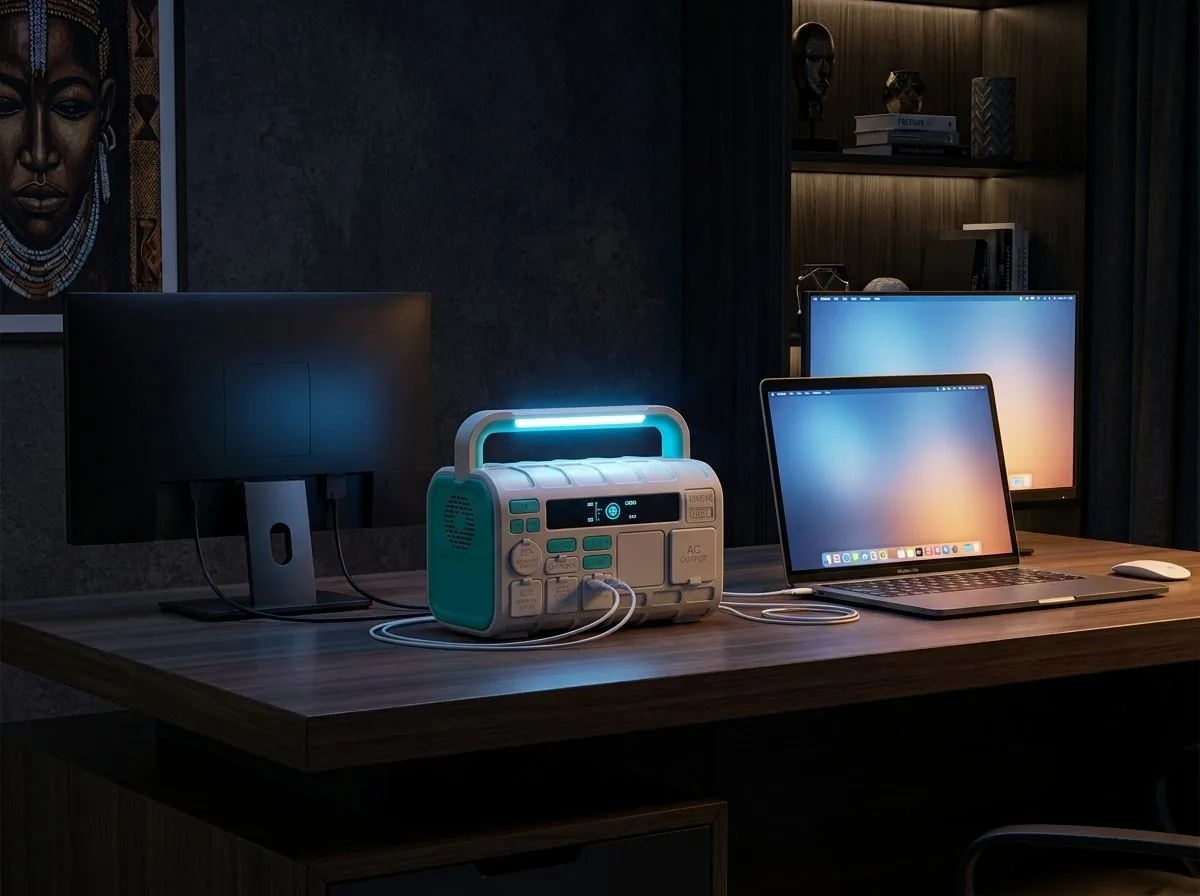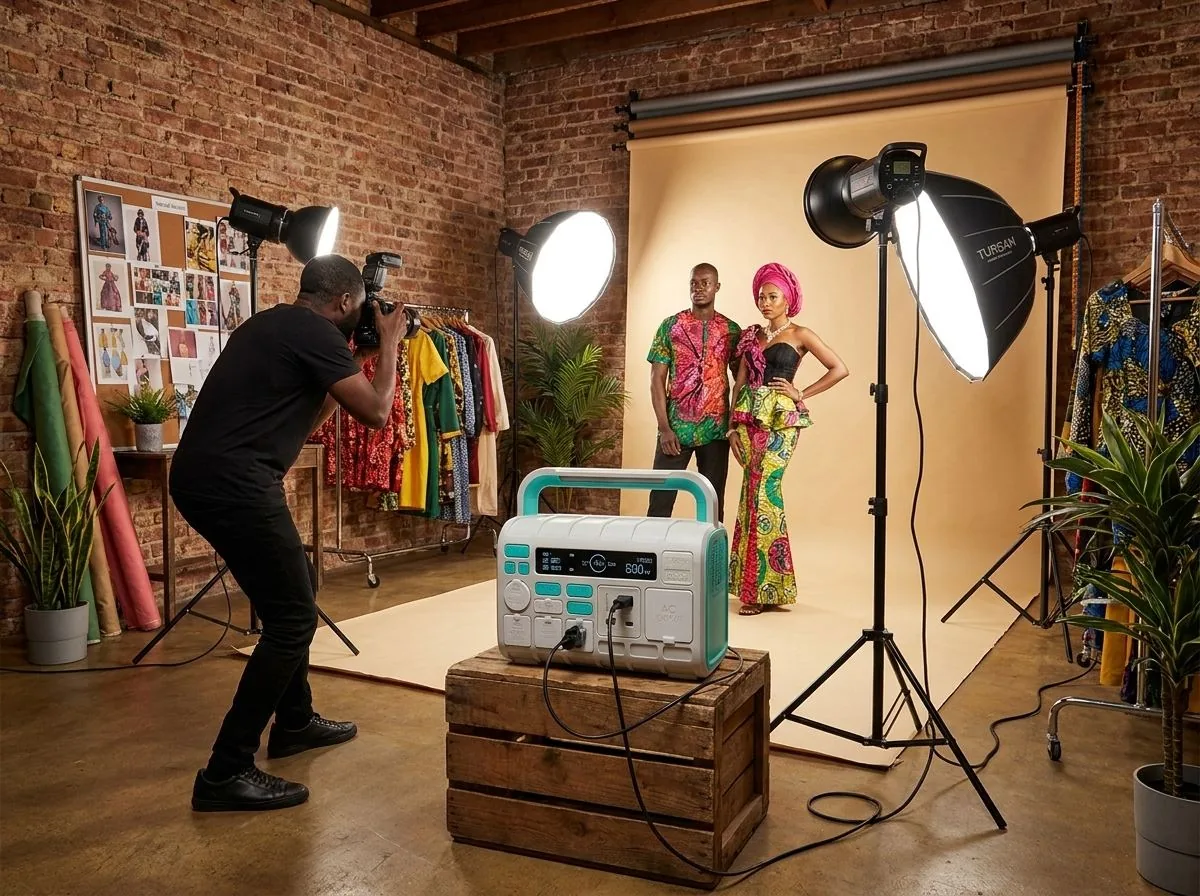
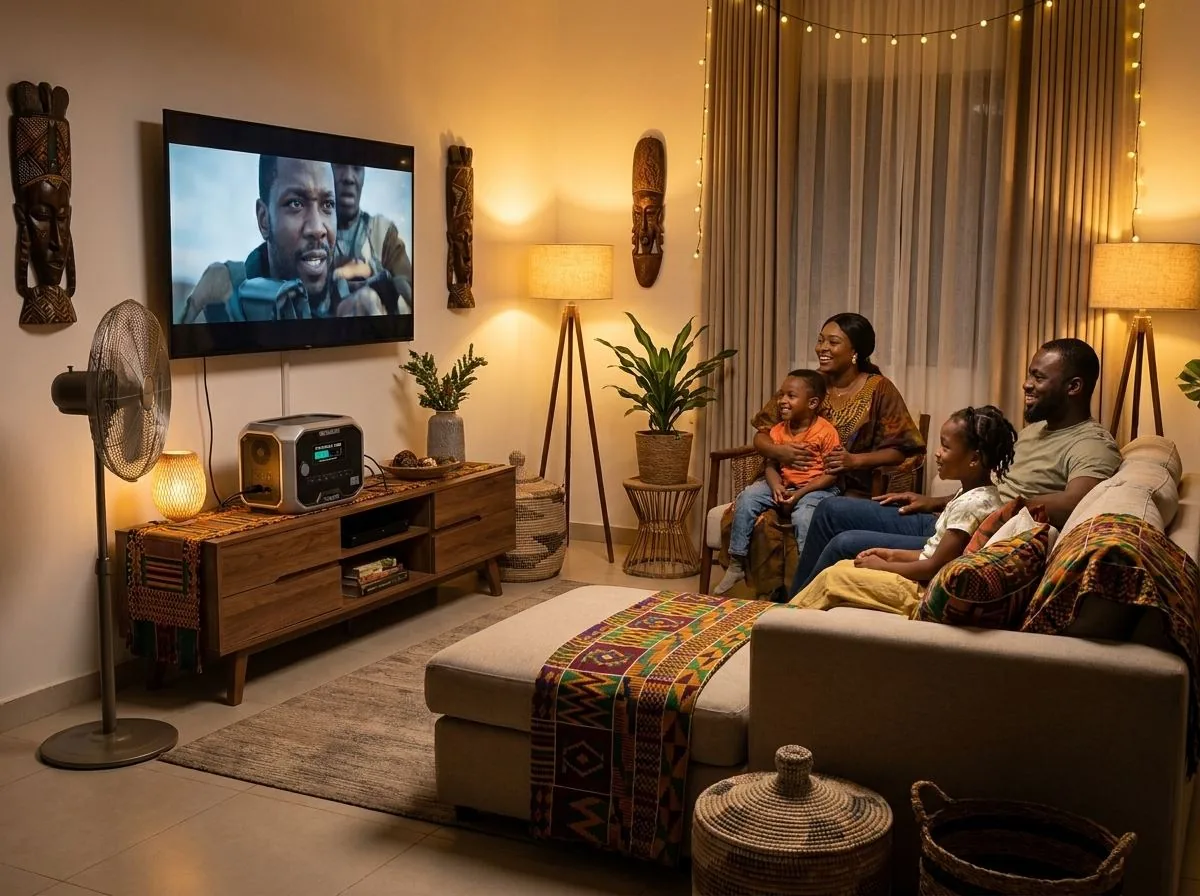
Nigeria sits in one of the most sun-rich zones on Earth. Between 5 and 7 hours of peak sunlight daily, 300+ sunny days per year — and yet most Nigerians are still pouring money into petrol generators. If you own a portable power station (or you are thinking of getting one), solar charging lets you make your own power without buying fuel.
This guide covers everything you need to know about solar charging your TURSAN power station in Nigeria — from the technology behind it, to which panels to buy, to exactly how much money you will save.
🚨 The Grid Dependency Trap
Many power station owners still rely on NEPA/grid electricity to recharge. But with electricity tariffs increasing by over 300% since 2023 and supply still unreliable, you are essentially trading one unreliable power source for another. Solar charging breaks this cycle entirely.
Understanding MPPT: The Technology That Makes Solar Charging Efficient
Most TURSAN power stations come with an MPPT solar charge controller built in (the YC 600 charges from the wall only). MPPT stands for Maximum Power Point Tracking, and it is the reason modern power stations can charge so efficiently from solar panels.
Here is what MPPT does in simple terms:
- Finds the sweet spot: Solar panels produce varying voltages depending on sunlight intensity, temperature, and angle. MPPT constantly adjusts to extract the maximum possible power from your panel at any given moment.
- Up to 30% more efficient: Compared to older PWM (Pulse Width Modulation) charge controllers, MPPT captures 25-30% more energy from the same panel. In Nigerian afternoon heat, this difference is massive.
- Handles voltage mismatches: If your panel outputs 40V but your battery needs 14V, MPPT converts the excess voltage into additional charging current. Nothing is wasted.
- Temperature compensation: Nigerian heat can reduce panel output by 10-15%. MPPT adjusts in real time to compensate.
⚡ Why This Matters for Nigeria
Nigeria's equatorial position means intense sunlight but also extreme heat. MPPT technology ensures your TURSAN power station captures maximum energy even when panel temperatures exceed 45 degrees Celsius — a daily reality in Lagos, Abuja, and most of the south.
Nigerian Sunlight Hours: Your Daily Energy Source
Let us break down what Nigeria's solar resource actually looks like:
| Region | Peak Sun Hours/Day | Best Months |
|---|---|---|
| Lagos / South-West | 4.5 - 5.5 hours | Nov - Mar (dry season) |
| Abuja / North-Central | 5.5 - 6.5 hours | Oct - Apr |
| Kano / North | 6.0 - 7.0 hours | Year-round (dry climate) |
| Port Harcourt / South-South | 3.5 - 5.0 hours | Nov - Feb |
| Enugu / South-East | 4.5 - 5.5 hours | Nov - Mar |
Even in the "worst" solar region — the south-south during rainy season — you are still getting 3.5 hours of usable sunlight. That is more than enough to partially or fully recharge a power station daily.
Choosing the Right Solar Panel for Your TURSAN Power Station
Not all solar panels are created equal. Here is what to look for:
Panel Size by Power Station
| Power Station | Battery Capacity | Recommended Panel | Charge Time (Full Sun) |
|---|---|---|---|
| YC600S (600W) | 655Wh | 100W - 200W panel (Max 200W) | 3 - 6 hours |
| YC1100 (1000W) | 1,222.8Wh | 200W panel (Max 200W) | 5 - 7 hours |
| YC1200 (1200W) | 1,310Wh | 150W panel (Max 150W) | 7 - 9 hours |
| YC2400 (2400W) | 2,621Wh | Up to 1,500W solar array | 1.5 - 3 hours |
Monocrystalline vs. Polycrystalline
For Nigerian conditions, monocrystalline panels are the clear winner. Here is why:
- Higher efficiency (20-22% vs 15-17%) — you get more watts per square metre of panel space
- Better heat tolerance — critical in Nigeria where rooftop temperatures regularly hit 50 degrees Celsius
- Better low-light performance — important during harmattan haze and overcast rainy season days
- Longer lifespan — 25+ years vs 20 years for polycrystalline
Portable vs. Fixed Panels
This depends on your use case:
- Portable/foldable panels (100W-200W): Ideal if you move your power station between locations — market stalls, outdoor events, or travel. They fold into a briefcase-sized package.
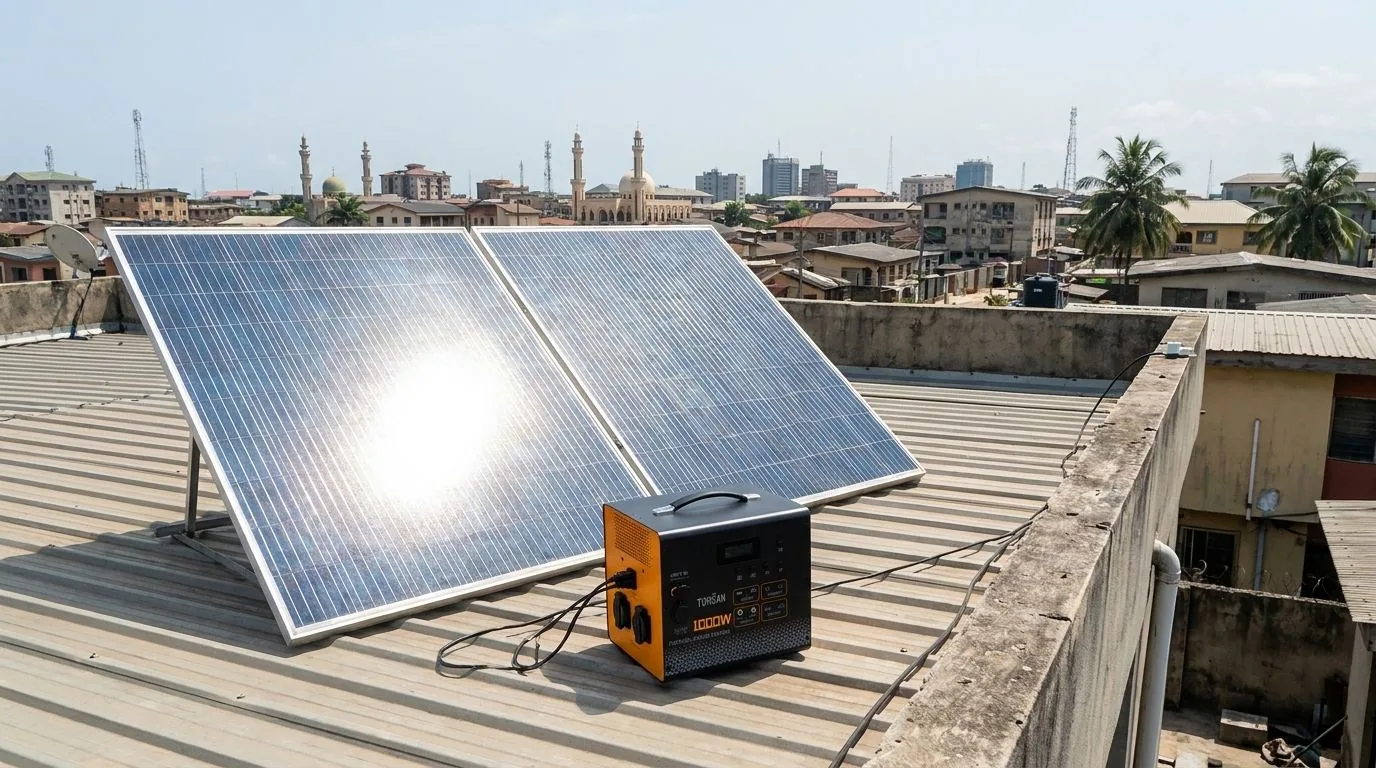
- Fixed rooftop panels (200W-400W+): Best for permanent setups — home offices, shops, salons. Higher output, more durable, and you can wire multiple panels together.
Step-by-Step: Setting Up Solar Charging
Connecting solar panels to your TURSAN power station is remarkably simple:
- Position your panel: Face it south (in Nigeria, panels should face slightly south for optimal exposure). Angle between 5-15 degrees from horizontal — Nigeria is close to the equator, so nearly flat is best.
- Connect the MC4 cables: All TURSAN power stations use standard MC4 solar connectors. Plug the panel cables into the solar input port on the station.
- Check the display: Your power station screen will show solar input wattage. On a sunny day with a 200W panel, expect to see 150-180W actual input (real-world conditions are never 100% of rated capacity).
- Let it charge: No buttons to press, no settings to configure. The MPPT controller handles everything automatically.
⚡ Pro Tip: Dual Charging
All TURSAN power stations support simultaneous solar + AC charging. If NEPA brings light while your solar panel is connected, both inputs charge the battery at the same time — cutting your charge time nearly in half.
The ROI Calculation: When Does Solar Pay for Itself?
Let us do the maths for a typical Lagos business owner:
Scenario: Shop Owner with TURSAN YC1100 + 200W Solar Panel
- 200W monocrystalline panel cost: approximately ₦80,000 - ₦120,000
- Daily solar energy harvested: 200W x 5 hours = 1,000Wh (1kWh)
- Grid electricity equivalent cost: ₦225/kWh (Band A tariff) = ₦225/day saved
- Monthly savings on grid charging: ₦6,750
- If replacing generator charging: You would spend ₦700-1,050/hour on fuel. Solar saves ₦3,500-5,250 per day, or ₦105,000-157,500 per month.
Solar panel payback period:
- If replacing grid charging: 12-18 months
- If replacing generator charging: less than 1 month
5-Year Savings Projection
| Charging Method | Year 1 Cost | 5-Year Total Cost |
|---|---|---|
| Generator (fuel + maintenance) | ₦1,260,000+ | ₦6,300,000+ |
| Grid electricity only | ₦82,125 | ₦410,625 |
| Solar (after panel purchase) | ₦100,000 (panel cost, then ₦0) | ₦100,000 total |
Over 5 years, solar charging saves you over ₦6 million compared to a generator, and over ₦300,000 compared to grid-only charging. The solar panel literally pays for itself many times over.
Common Solar Charging Mistakes in Nigeria
Avoid these pitfalls that we see Nigerian customers make:
- Placing panels in partial shade: Even 10% shading on one cell can reduce output by 50% or more. Avoid trees, walls, and overhead cables.
- Using undersized cables: Long cable runs with thin wires cause voltage drop. Use at least 4mm2 cables for runs over 5 metres.
- Ignoring dust: Harmattan dust and general air pollution coat panels quickly. Wipe them down with a damp cloth weekly for optimal output.
- Wrong panel angle: Nigeria is near the equator. Your panel should be nearly flat (5-15 degrees), not at the 30-45 degree angle recommended for European countries.
- Exceeding the solar input rating: Check your power station's maximum solar input voltage and wattage. Connecting too many panels in series can damage the MPPT controller.
Solar + Power Station: The Ultimate Nigerian Energy Independence
"When you combine a TURSAN power station with a solar panel, you are no longer waiting for NEPA. You are no longer buying fuel. You are generating your own electricity from the sun, with no fuel to buy."
This is not a luxury setup. This is practical, affordable energy independence that thousands of Nigerian businesses and households are adopting right now. The sun is already there — you just need to capture it.
Whether you start with a 100W portable panel for your YC600S or a full 400W rooftop setup for your YC2400, the return on investment is undeniable. In a country where power costs are rising and reliability is falling, solar charging is the smartest energy decision you can make.
Frequently Asked Questions
What is MPPT?
Maximum Power Point Tracking. It continuously adjusts to get the most power from your panels, capturing about 25–30% more energy than older PWM controllers.
Do all TURSAN power stations charge from solar?
Most do, through a built-in MPPT controller. The YC 600 charges from the wall only, and smaller units take only small panels.
Can I use full-size rooftop panels with my power station?
The YC 2400, YC 2400 Classic and YC 3600 take 2 full-size panels in series. Smaller power stations need small panels within their solar input limits.
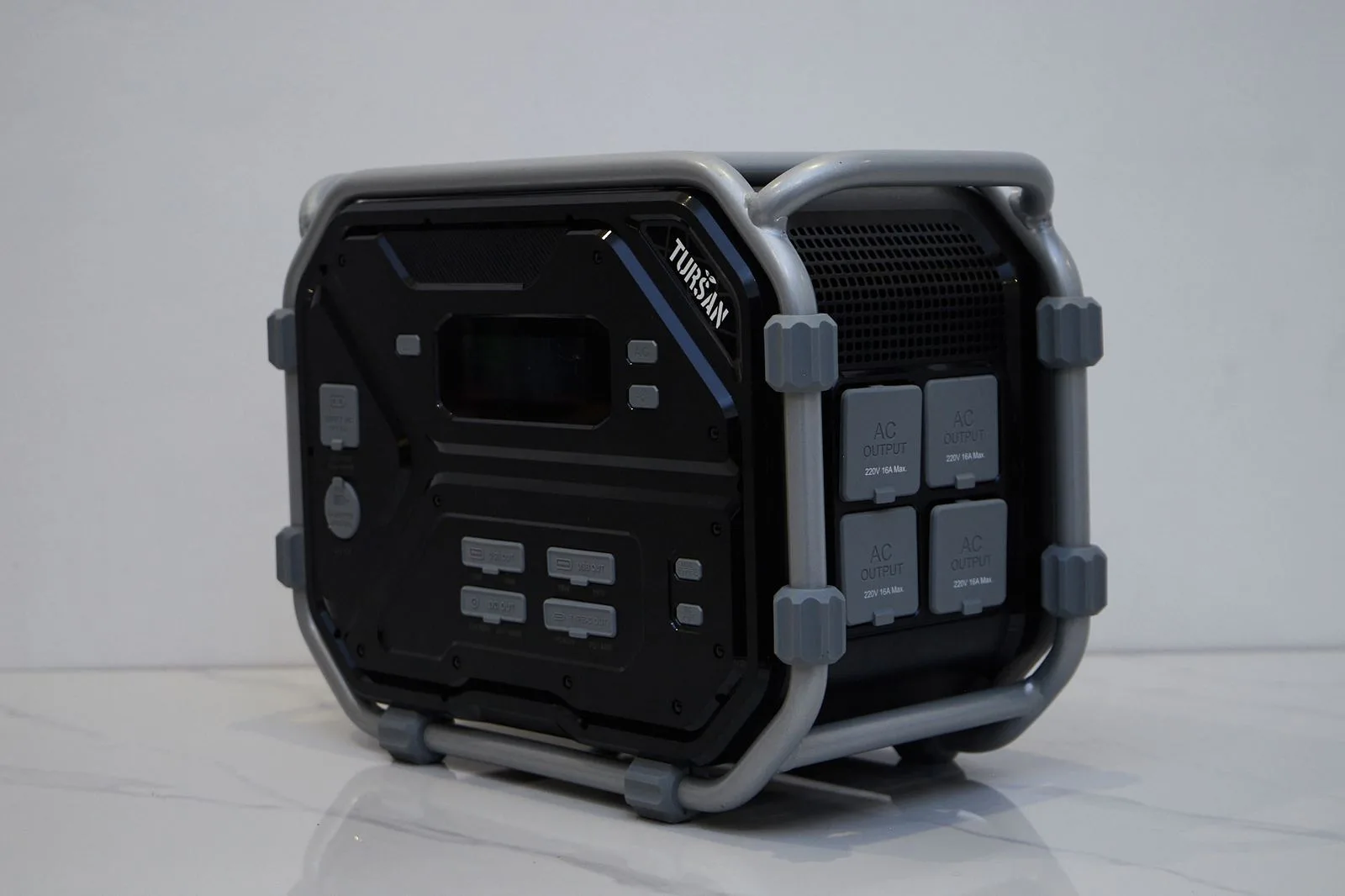
TURSAN YC2400 Portable Power Station
The ultimate solar-ready power station. 2400W output, massive 2,621Wh capacity, MPPT solar input up to 1,500W, BYD LiFePO4 battery with 4,000+ cycles. Power your entire shop or home office from the sun.
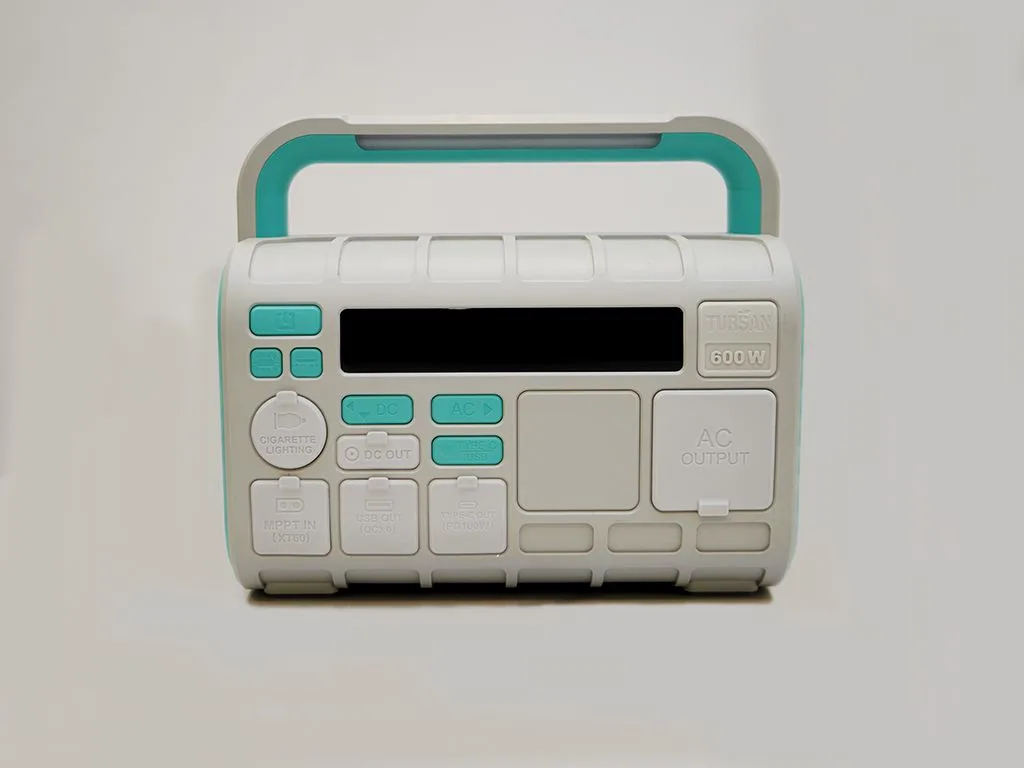
TURSAN YC600S Portable Power Station
Compact and solar-ready. Perfect for small setups with a 100-200W panel. 600W output, MPPT solar input, ideal for POS agents, remote workers, and small traders. Charges in 3-6 hours from solar.