Almost every Nigerian home runs on one, talks about one, or is shopping for one — yet very few people can say what an inverter actually does. That is fine when everything works. It stops being fine the moment you are in a shop deciding between two of them and every spec on the box sounds like a foreign language.
So here it is in plain English — no engineering degree required.
What an inverter actually does
Your battery stores power as DC — direct current, the same kind in a phone or a car battery. But your fridge, TV, fan and lights all run on AC — alternating current, the 220V that normally comes from NEPA. The two are not interchangeable. Plug an appliance straight into a battery and nothing happens.
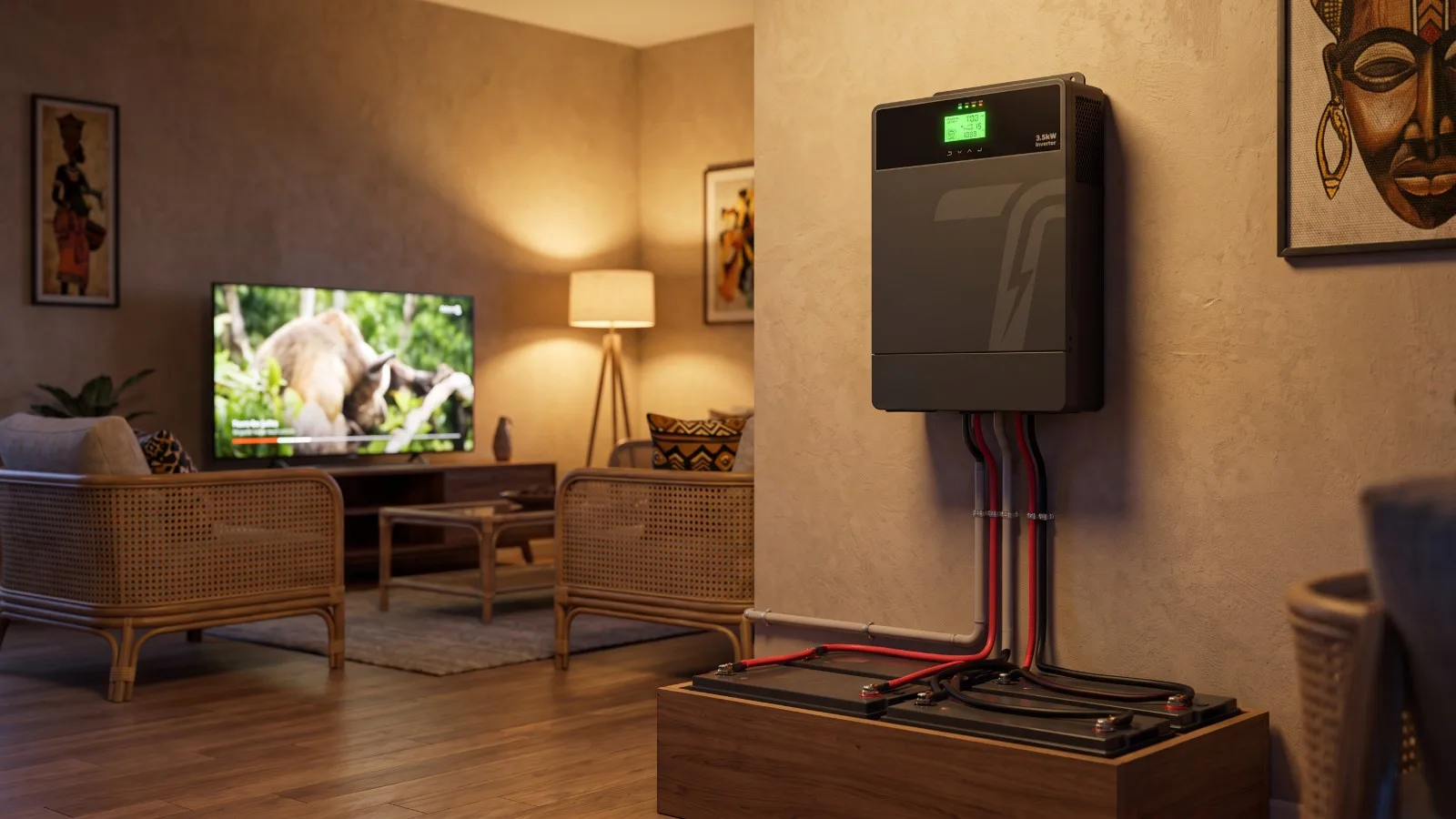
An inverter is the translator. It takes the DC sitting in your battery and converts it into clean 220V AC your appliances understand. That is the whole job — quietly, instantly, every time the grid drops.
The simplest way to picture it
The battery is the fuel tank. The inverter is the engine. The battery holds the energy; the inverter turns it into something your house can actually use. One is useless without the other.
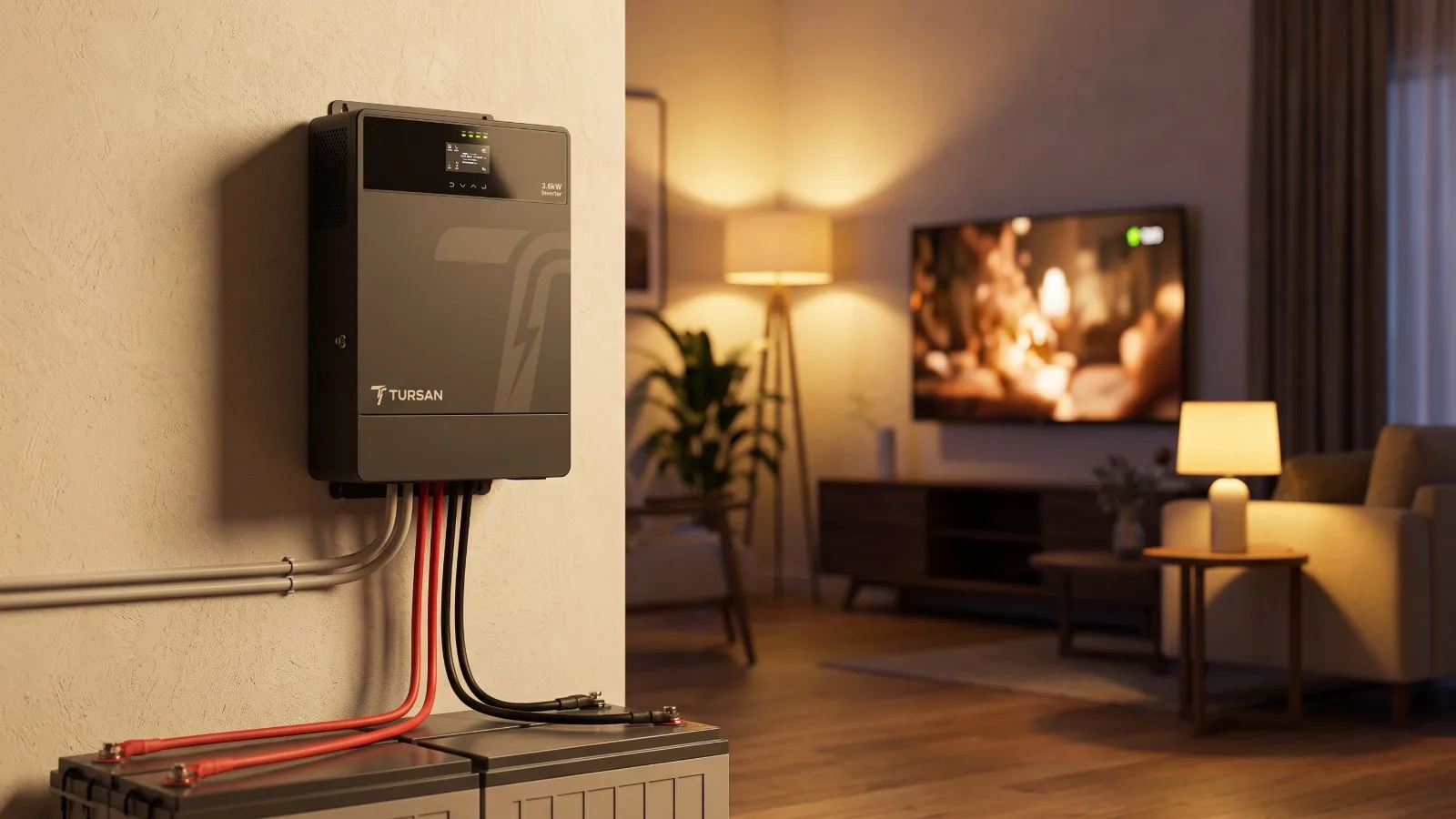
Battery plus inverter: stored power, converted into everyday 220V.
Inverter, generator or power station — what is the difference?
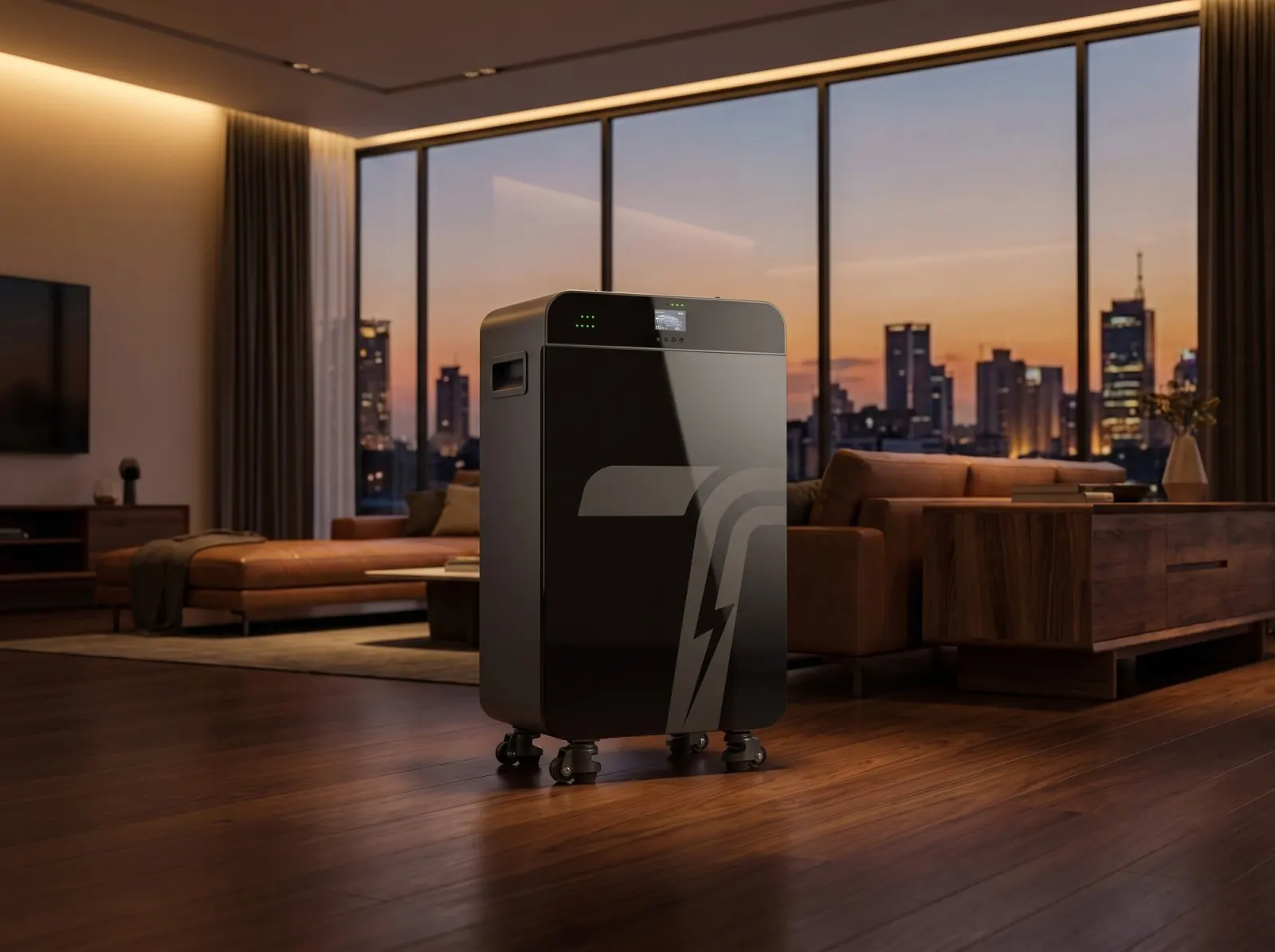
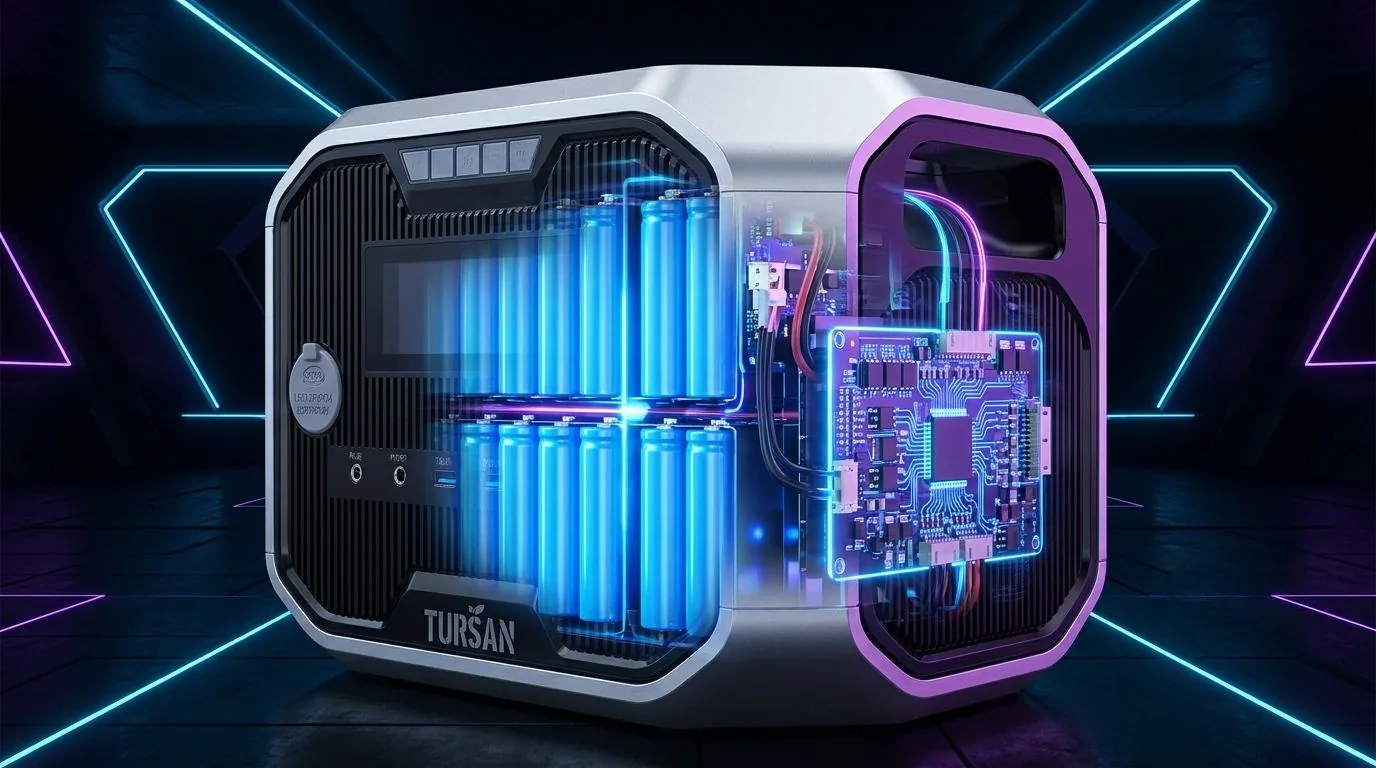
A generator makes its own electricity by burning petrol or diesel. An inverter makes no power of its own — it converts power already stored in a battery, silently and with no fuel. A power station is simply an inverter and a battery built into one portable box.
So an inverter system is really two parts working together: a battery to hold the energy, and the inverter to convert it. Choose them as a pair — never one without thinking about the other.
Why "pure sine wave" matters
Not all AC is equally clean. Cheap inverters produce a rough, blocky waveform called modified sine wave. It runs basic things, but fridges, fans, pumps and sensitive electronics run hotter, buzz, and sometimes refuse to work at all.
Pure sine wave is smooth AC — the same quality as the grid on a good day. Everything runs the way the manufacturer intended. Every TURSAN inverter is pure sine wave for exactly this reason; it is not a spec to compromise on.
What actually matters when you buy one
Three things, in order:
- Size (kW). It must be big enough to run everything you switch on at once — including the surge when motors start. We break this down in our 1.2kW vs 3.6kW sizing guide.
- Pure sine wave. Non-negotiable for a Nigerian home.
- The matching battery. The inverter's voltage must match the battery's — a 12V inverter needs a 12V battery, a 24V needs 24V, and so on.
Get those three right and the rest is detail.
Frequently Asked Questions
Does an inverter make electricity?
No. It converts power already stored in a battery from DC into the 220V AC your appliances use. It cannot create energy the way a fuel generator does — which is also why it is silent and costs nothing to run.
Do I need a battery with my inverter?
Yes. The inverter is only the converter; the battery is what actually holds the power. They are sold and sized as a pair.
Is an inverter better than a generator?
For most homes, yes — it is silent, fumeless, needs no fuel, and switches on the instant the grid drops. A generator only wins where you must run very heavy loads for a very long time with no way to recharge.
What does pure sine wave mean?
It is the clean, smooth type of AC power — the same quality as the grid — so all your appliances run properly. The cheaper "modified" type can make fridges and electronics run hot or misbehave.
How do I know what size inverter I need?
Add up what you will run at once and size for the startup surge — or just send us your appliance list and we will work it out with you.
New to all this? Tell us what you want to keep running during blackouts on WhatsApp and we will explain, in plain terms, exactly what you need.
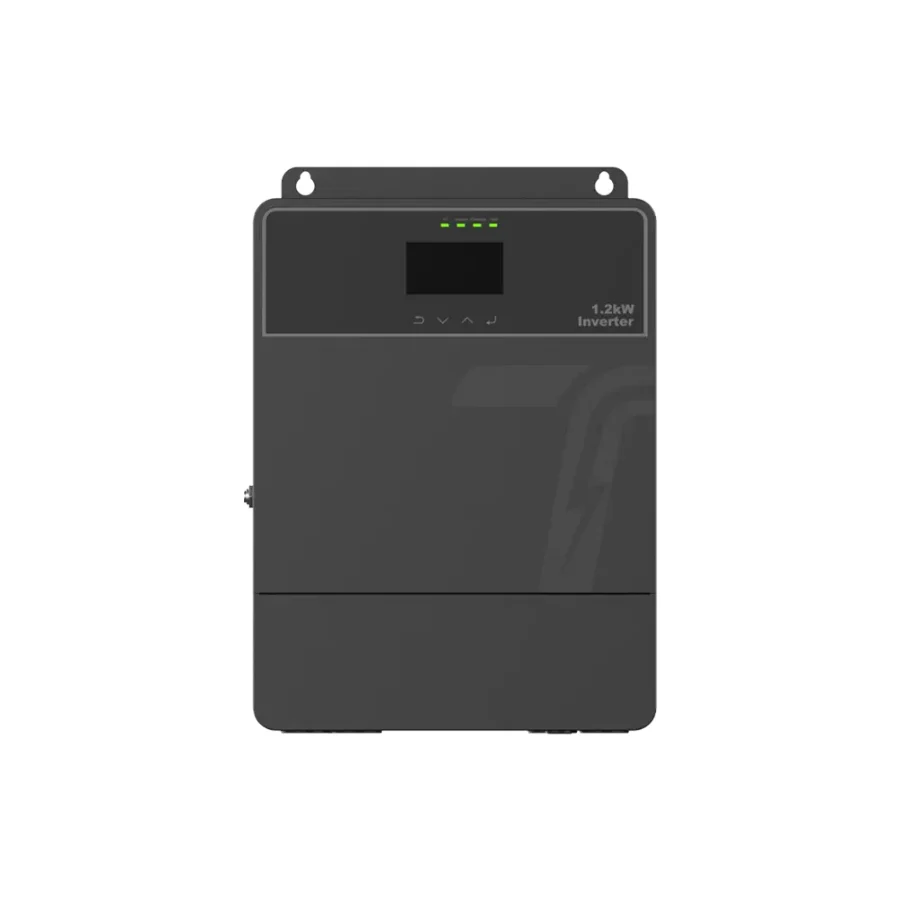
TURSAN Pure Sine Wave Inverters
Clean, silent 220V power from your battery — the JC-AC range, sized for Nigerian homes.