Almost everyone shopping for an inverter starts at the wrong end: the price. Then they pick a size based on what the seller happens to have. A few weeks later the inverter is either tripping every time the fridge kicks in, or it is twice the size they needed and the extra money is just sitting on the wall.
Sizing an inverter is not complicated. You do not need to be an electrician. You need to answer two honest questions, and understand one word that trips everyone up: surge.
The number on the box is not the whole story
A "1.2kW" inverter runs 1.2kW steadily — but for a split second it must survive far more, because motors punch well above their rated draw the instant they start. Ignore that and the inverter that looked big enough keeps shutting down.
What the kW rating actually means
An inverter's kW (or watt) rating is how much power it can supply continuously. A 1.2kW inverter comfortably runs about 1,200 watts of load at once; a 3.6kW inverter runs about 3,600. Add up the wattage of everything you want on at the same time, and that total has to sit under the rating.
The catch is surge. Anything with a motor or compressor — a fridge, freezer, water pump, air conditioner — pulls three to five times its running wattage for the first second as it starts. A fridge rated 150W can spike past 600W. Your inverter has to ride out that spike without tripping, which is why you size for the surge, not just the steady load.
Step 1: Add up what runs at once
Not everything in your house — just what will realistically be on together. Write down the wattage of each item (it is on the label, or ask us) and total it. Lights and phone chargers are tiny. Fridges, pumps, microwaves, kettles, irons and ACs are where the watts live.
Step 2: Match it to the right inverter
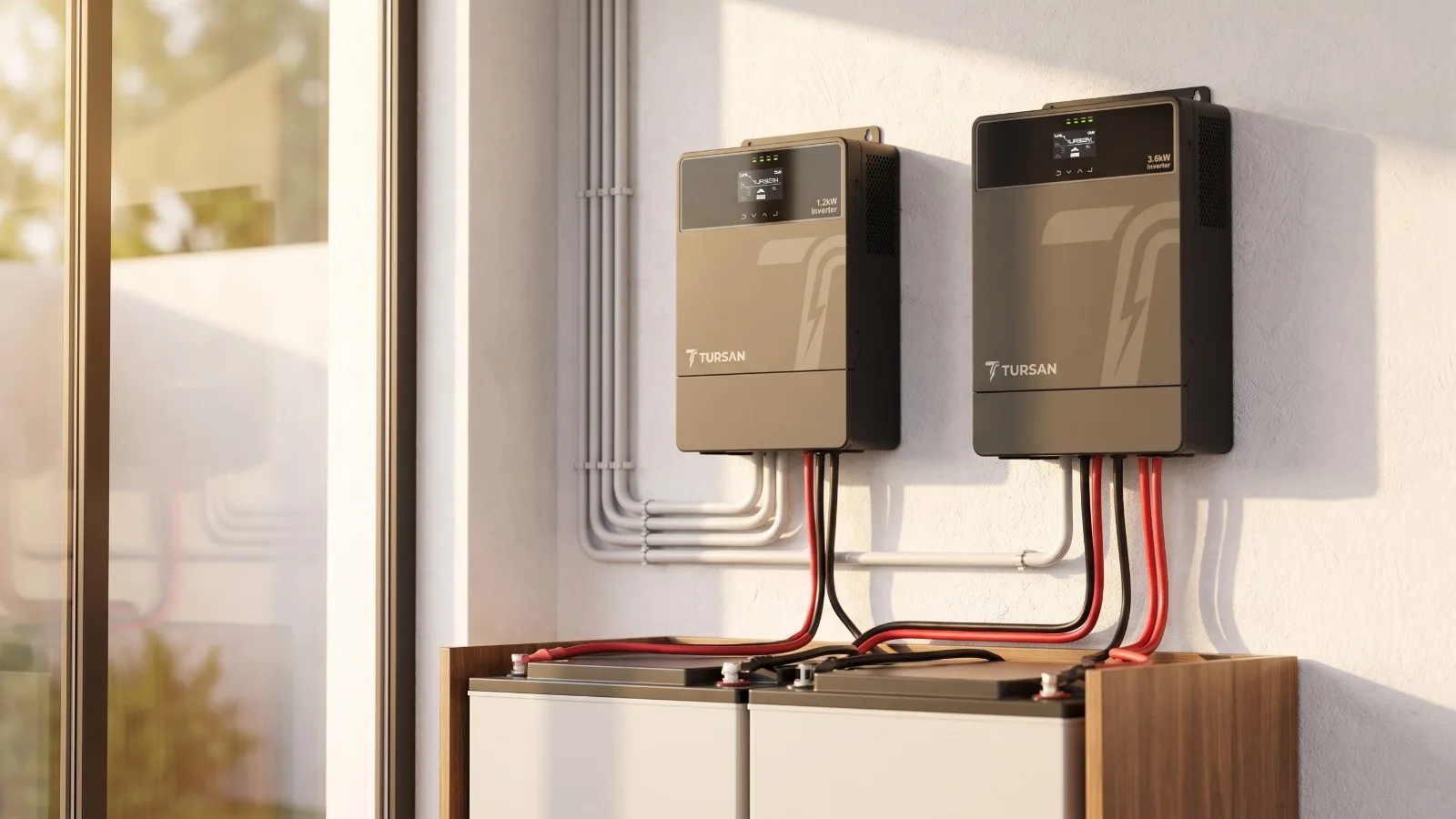
The 1.2kW — TURSAN JC-AC-1.2KW. This is the essentials inverter: a small flat, a shop, a bedroom-and-parlour setup. It comfortably carries lights, fans, a TV and decoder, phones and laptops, a router, and a modest fridge. It is the natural partner for a 12V battery. If your plan is "keep the important things on through NEPA," this is usually enough.
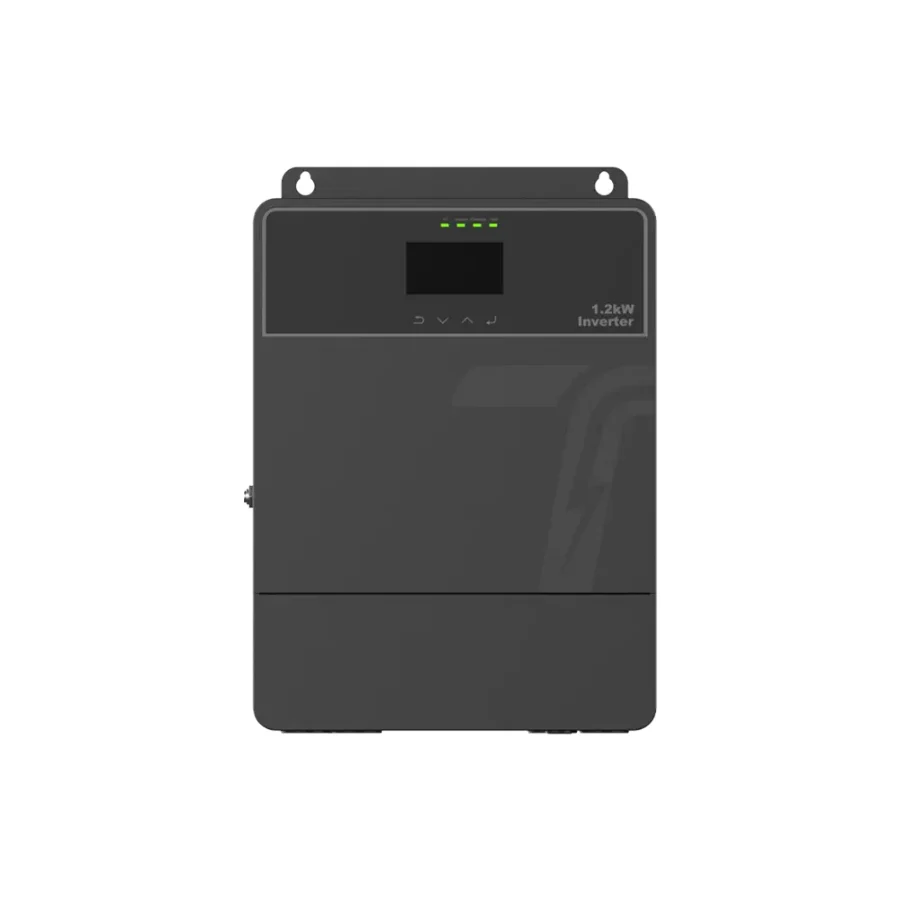
The 1.2kW JC-AC — the essentials inverter.
The 3.6kW — TURSAN JC-AC-3.6KW. This is the family-home inverter. It handles a fridge and a freezer together, several rooms of lights and fans, a water pump, a microwave, and gives you real headroom for a small AC — loads that would push a 1.2kW to its limit. It pairs with a 24V battery. If you are running a whole flat rather than a "power corner," this is the one.
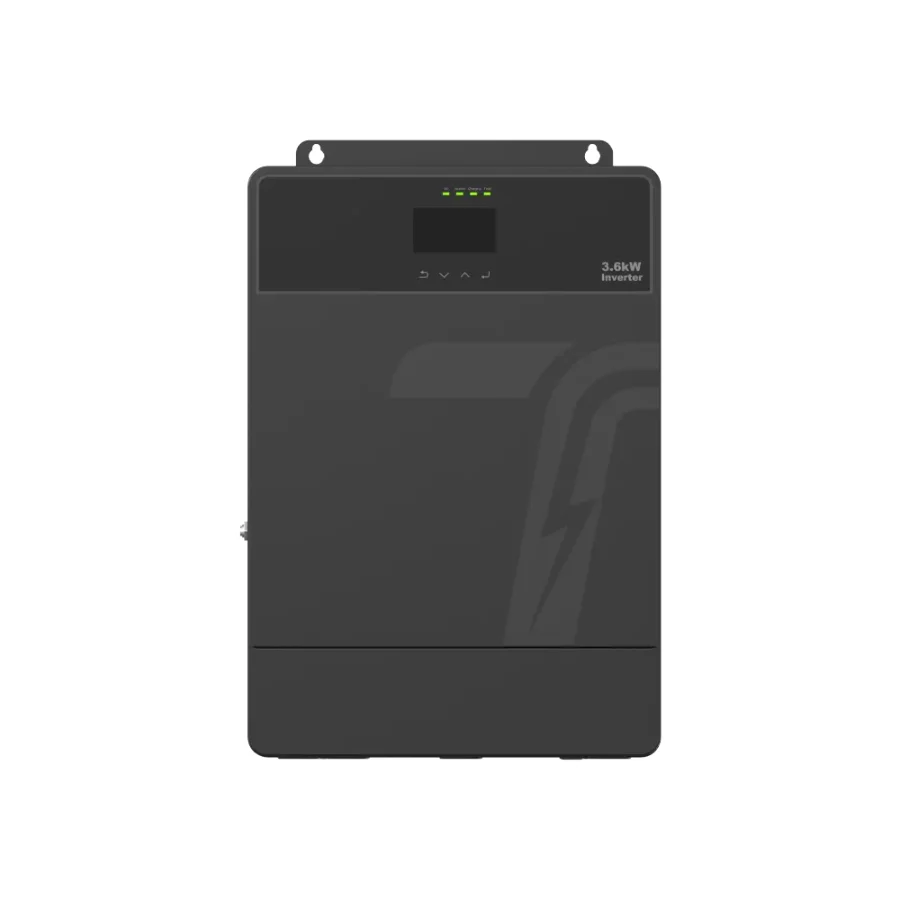
The 3.6kW JC-AC — the family-home workhorse.
The rule that saves you a second purchase
Buy for the load you will have in a year, not just today. Stepping up from 1.2kW to 3.6kW later usually means changing the battery voltage too — so if a pump or an AC is anywhere in your plans, start at 3.6kW.
Two things people forget
Match the battery voltage. The inverter and battery are a matched pair. The 1.2kW runs on 12V; the 3.6kW runs on 24V. You choose them together, not separately.
Insist on pure sine wave. Both TURSAN inverters are pure sine wave, which matters more than people realise — fridges, fans and sensitive electronics run cooler and quieter on a clean waveform, and some simply misbehave on the cheap "modified" kind.
Quick pick
- Choose 1.2kW for essentials — a small flat, shop, or a keep-the-lights-on setup. Pairs with a 12V battery.
- Choose 3.6kW for a full family home — fridge, freezer, pump, and headroom for a small AC. Pairs with a 24V battery.
Not sure which side of the line you fall on? That is exactly the kind of thing we work out in a two-minute chat.
Frequently Asked Questions
Can a 1.2kW inverter run an air conditioner?
Realistically, no — a standard 1HP AC alone can surge close to or beyond 1.2kW at startup, leaving nothing for the rest of the house. For any AC, start at 3.6kW.
What can a 3.6kW inverter run?
A fridge and freezer together, lights and fans across several rooms, a TV, a water pump, a microwave, and a small AC — as long as you are sensible about what runs at the same moment.
Does a bigger inverter use more electricity?
No — the inverter only supplies what your appliances draw. A 3.6kW unit running a 400W load uses roughly the same as a 1.2kW would; it just has more headroom for surges and future loads.
Why does my inverter keep tripping when the fridge starts?
That is a surge problem — the compressor's startup spike is exceeding what the inverter can supply for that instant. It usually means the inverter is undersized for that load, or too much is running at once.
How do I find my exact wattage?
Check the label on each appliance, or send us your list on WhatsApp and we will add it up and tell you which inverter fits — and which battery to pair with it.
Tell us what you want to keep running and we will size the whole system — inverter and battery — for you on WhatsApp. No jargon, no oversell.
TURSAN JC-AC-3.6KW
3.6kW pure sine wave inverter — the family-home workhorse, built to pair with a 24V battery.