You have probably seen the headlines: a "super El Niño" is here, and one study says Nigeria could face the world's highest number of heat-related deaths this season. It sounds alarming, so let's separate what is known from what is not, and then look at the practical steps that keep your home cool and safe, especially when NEPA takes light.
In short: there is no official heatwave alert for Nigeria right now, but the season from now until February is expected to run hotter than normal. That is a good reason to prepare early, not to panic.
The real risk is heat + no power
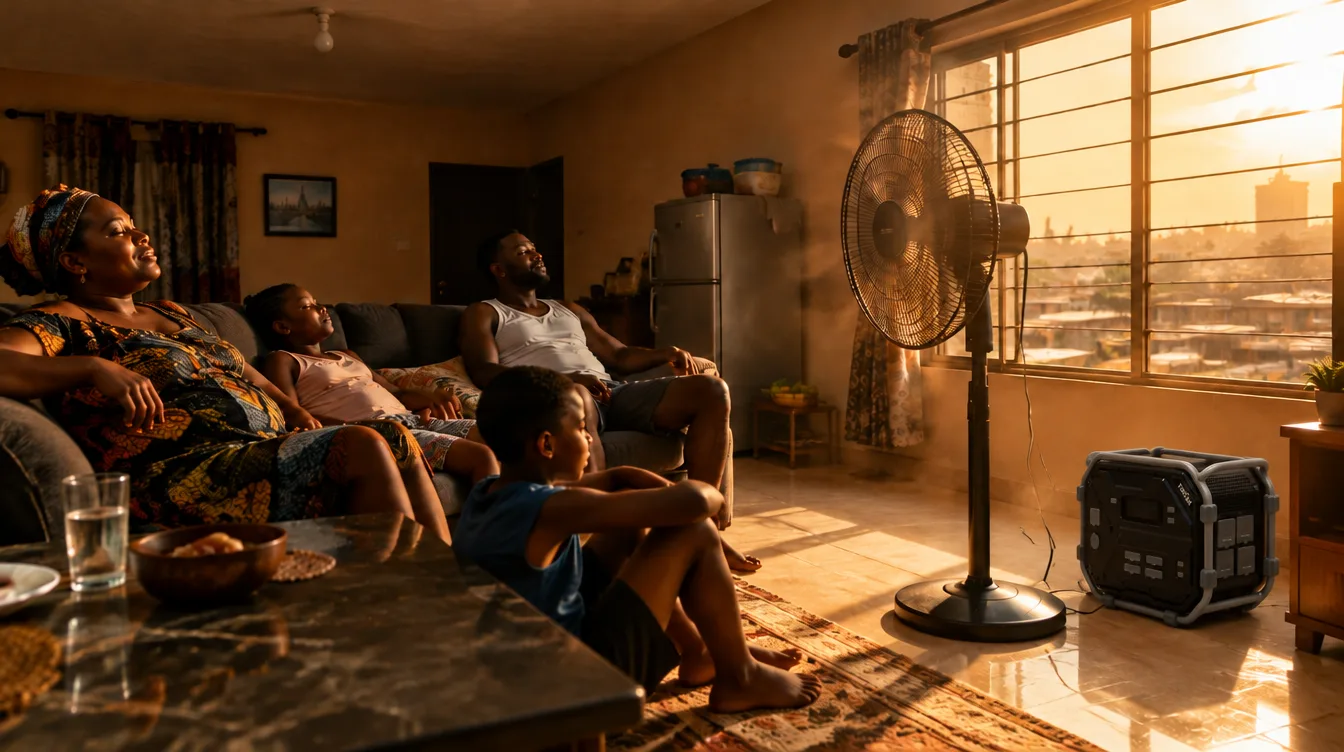
Hot days are hardest when the fan stops, the fridge warms up and you can't get cold water at night. Heat is largely preventable, but most of the advice (fans, cold drinks, rest in a cool room) quietly assumes you have electricity.
What is El Niño, in plain English?
El Niño is a natural warming of the Pacific Ocean that happens every few years. Even though it starts far away, it shifts weather patterns around the world, often bringing hotter temperatures and changes in rainfall to parts of West Africa and the Sahel.
- It is already here. In its August 2026 update, NiMet said ocean observations confirm a strong El Niño has begun and is strengthening.
- It is expected to last. The World Meteorological Organization (WMO) gives a near-100% chance that El Niño conditions continue through February 2027, peaking around the end of 2026.
- It does not mean every day is a heatwave. A seasonal outlook is about probabilities. Lagos forecasts this week show highs around 31°C with warm, humid nights: uncomfortable, but not a heatwave.
How El Niño reaches Nigeria
What does the "31,400 deaths" headline actually mean?
Researchers at the University of Chicago's Climate Impact Lab modelled how this El Niño could affect heat-related deaths worldwide. For Nigeria, they projected about 31,400 excess deaths between September 2026 and February 2027, the highest national total in their study.
- It is a projection, not a prediction. It estimates deaths above a normal year if nothing changes. An independent researcher called the global figures plausible but not definitive.
- It reflects Nigeria's size. With over 230 million people, a big total doesn't mean each person faces the highest risk in the world.
- It can be changed. The World Health Organization (WHO) says the health effects of heat are largely preventable, and that is the whole point of preparing.
Who is most at risk?
Heat strains the heart and kidneys and can lead to heatstroke, a medical emergency. According to WHO and the researchers, the people most exposed are:
- Older people, babies and young children. They overheat faster and may not notice the warning signs.
- People with heart, kidney or other chronic conditions.
- Outdoor and manual workers: traders, drivers, security guards, delivery riders and builders.
- Homes with metal roofs, poor ventilation or frequent power cuts, where nights stay hot and there is no fan to cool down.
How to protect yourself and your family
These steps follow WHO's heat-health advice:
- Drink water regularly, roughly a cup an hour and at least 2–3 litres a day, even if you don't feel thirsty. If you have a heart or kidney condition, follow your doctor's advice on fluids.
- Avoid the midday sun. Do heavy work early or late, wear light, loose clothing, and stay in the shade.
- Cool your home smartly. Keep curtains closed against direct sun during the day, then open windows after dark when it's cooler outside.
- Use fans, but know their limit. Fans help a lot in normal Nigerian heat. WHO notes that above about 40°C a fan can actually heat the body, so wet your skin or clothes and rest somewhere cooler instead.
- Check on others. Look in on elderly relatives, neighbours who live alone and young children.
- Know the danger signs. Heavy sweating, dizziness, headache, nausea or cramps mean heat exhaustion: move to a cooler place, drink water and rest. Confusion, slurred speech, seizures, collapse or very hot skin can mean heatstroke. Get medical help immediately and cool the person with wet cloths and fanning while you wait.
Heat safety at a glance
Keep the basics running when the grid goes off
A quiet, fume-free backup that can run a fan, a fridge, lights and phone charging covers most of the advice above: cold water, a cool room to rest in and a working phone to call for help. Unlike a generator, it's safe indoors overnight, with no carbon monoxide and no fuel queues.
What backup power do you need for the hot season?
Think about what you must keep running during an outage. Typical loads: a standing fan uses about 50–60W, a small fridge averages around 1kWh a day, LED bulbs about 10W each and a phone charger about 10W. Here's a rough guide (real runtime depends on your appliances):
| Need | Good fit | Roughly what it runs |
|---|---|---|
| Fan + phones through the night | TURSAN YC 600S (655Wh) | A standing fan plus phone charging for about 8 hours |
| Fans, TV and lights for the evening | TURSAN YC 1200 (1,310Wh) | A fan all night with lights and TV in the evening |
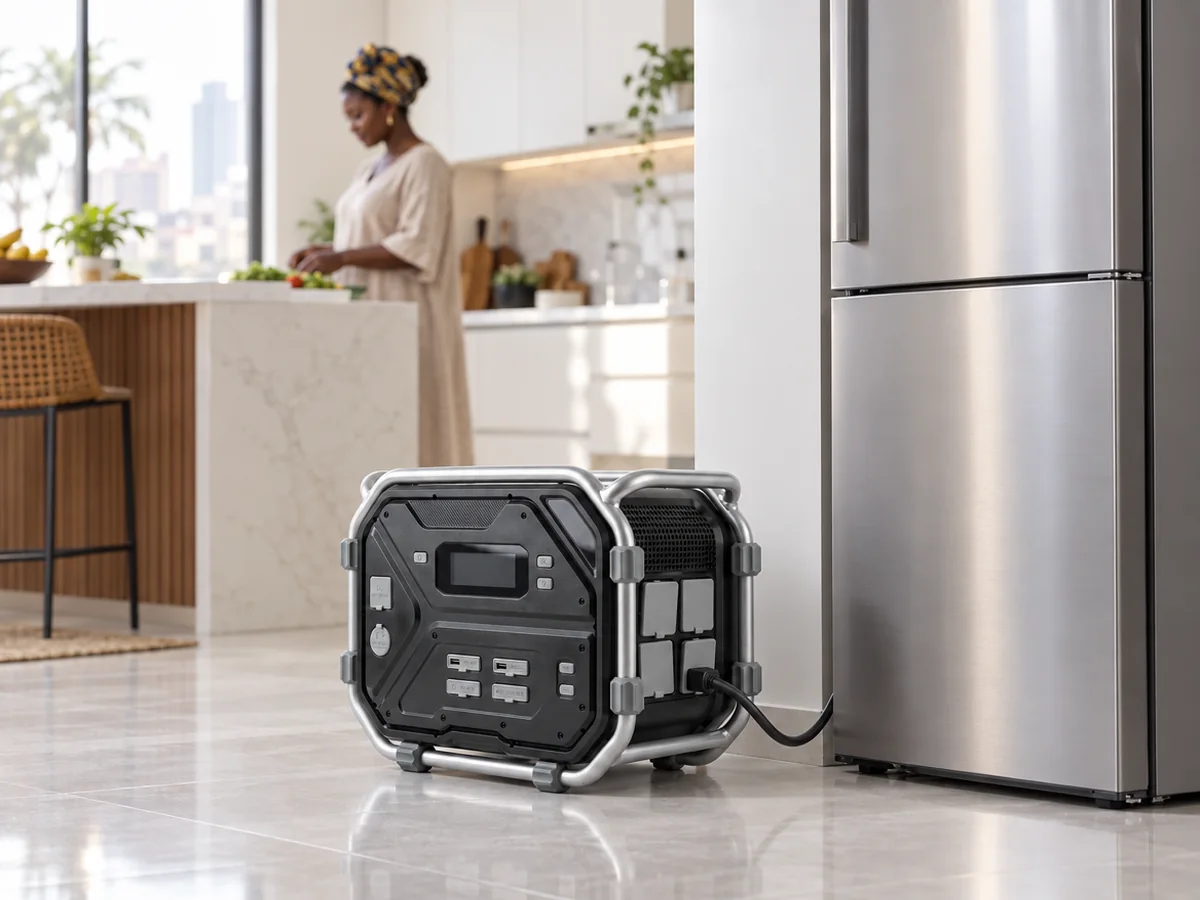
| Keep the fridge cold too | TURSAN YC 2400 (2,621Wh) | A small fridge plus two fans through a full night |
| Longer outages, whole-room backup | Inverter + battery kit | e.g. the 1.2kW Long Backup Kit stores 2.6kWh for a fridge and basics overnight |
Want an exact answer for your home? Use our power calculator: add your appliances and it suggests the right size. Planning to run an air conditioner? Read can a power station run an AC? first. ACs draw a lot, so most families get better value keeping fans and the fridge going.
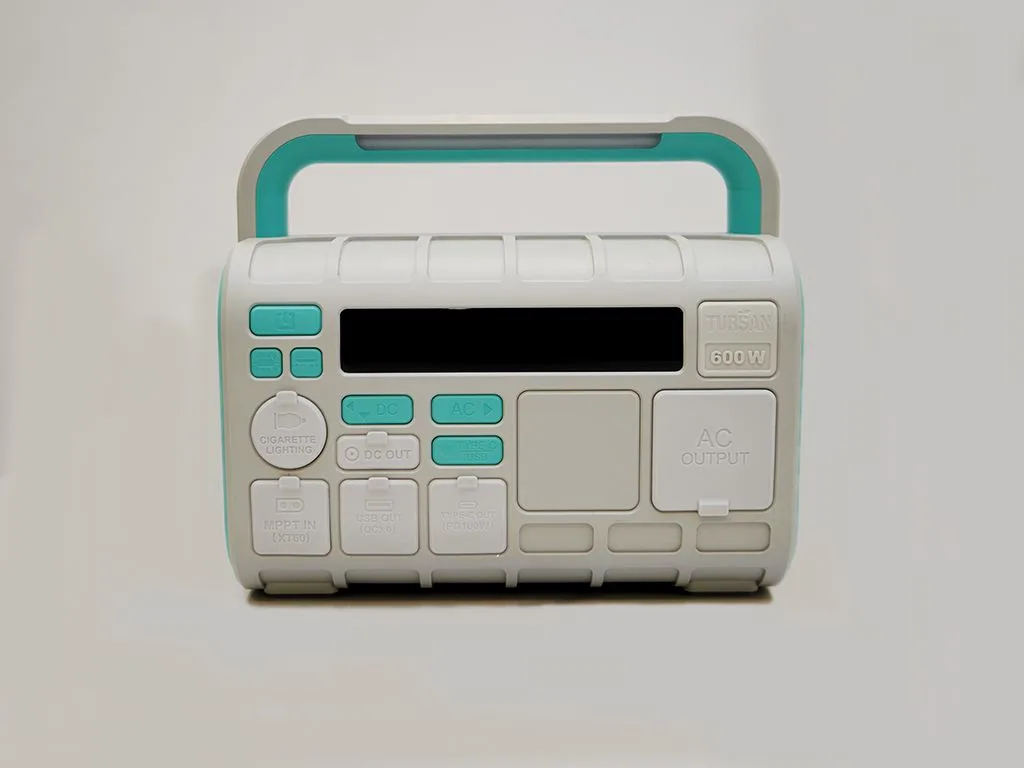
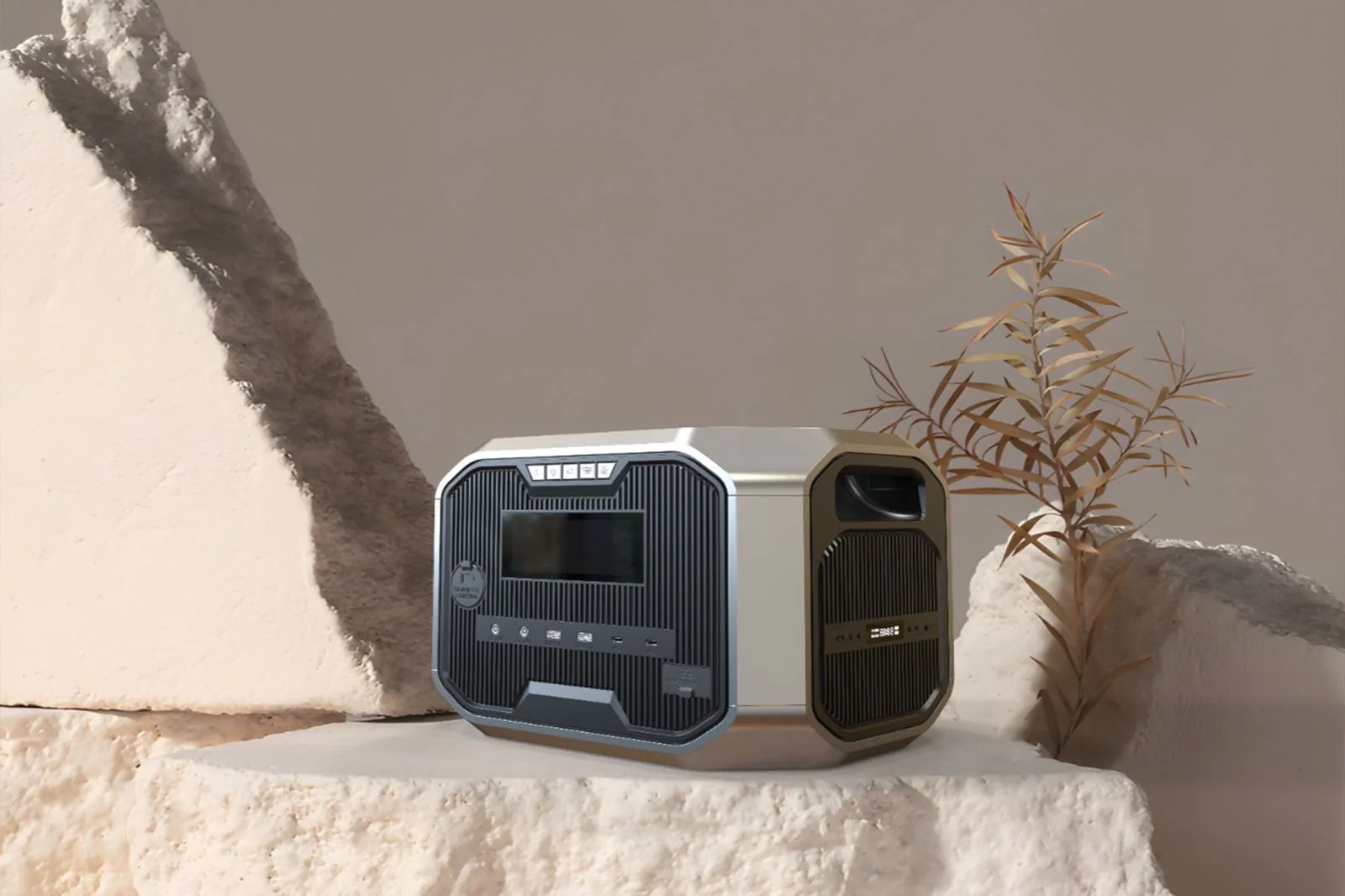
TURSAN YC 600S
Fan and phones through the night. Light enough to move from room to room.
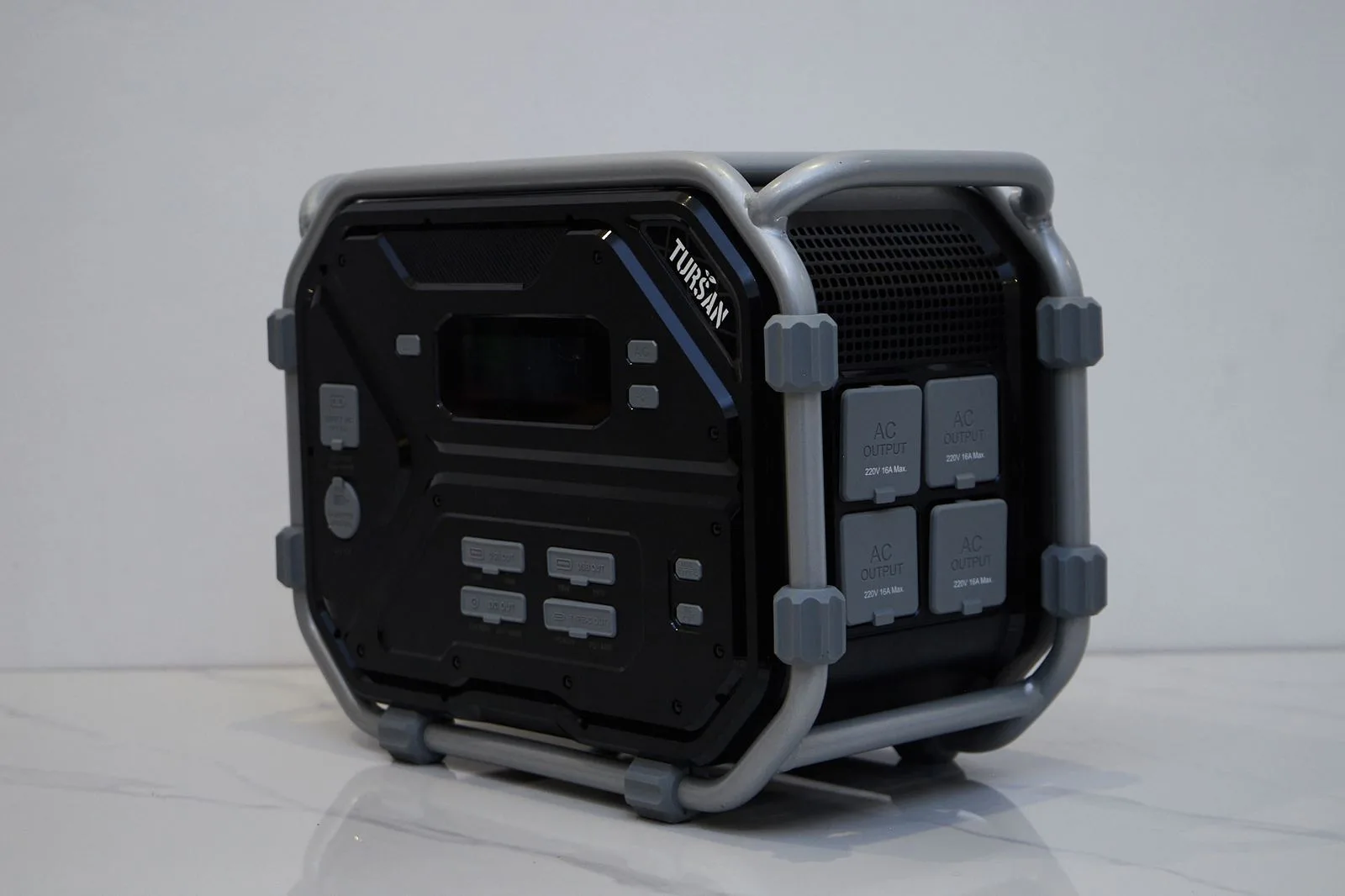
TURSAN YC 1200
Fans, TV and lights for a family evening during an outage.
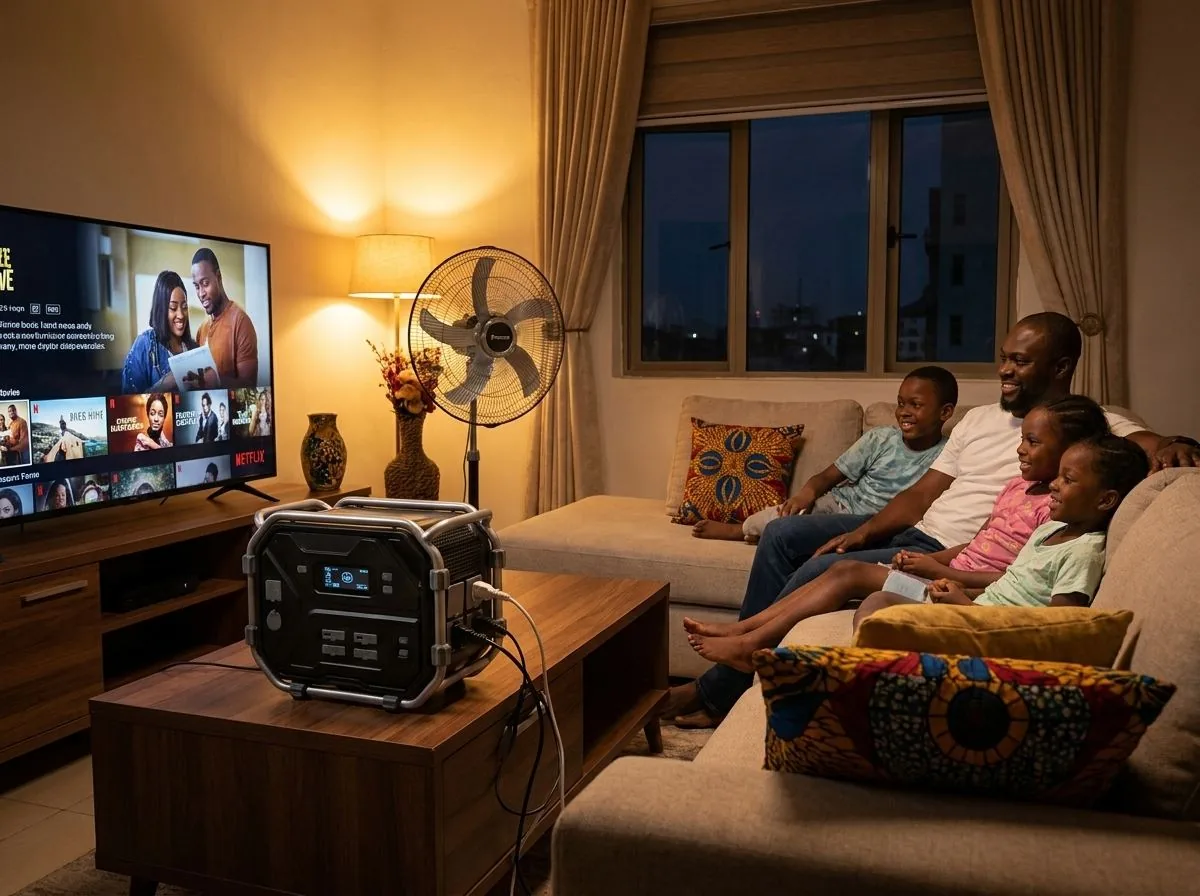
TURSAN YC 2400
Keeps the fridge cold and fans running overnight.
Heat-season tips for your power station and battery
- Keep it out of direct sun. Store your power station or battery in a shaded, ventilated spot, not by a sunny window or in a hot car.
- Charge whenever NEPA comes. Top up every time the grid is on, so you start each outage full.
- Use the dry-season sun. Clear skies make this a great time for solar charging. Panels lose a little efficiency in extreme heat, but longer sunny days more than make up for it. See our solar charging guide.
- Prioritise your load. Fan and fridge first, phones and lights next, entertainment last.
Heat is largely preventable. Plan ahead, keep cool water and a working fan, check on the people around you, and you'll get through the hot months safely.
Frequently Asked Questions
Is there a heatwave in Nigeria right now?
There is no official heatwave alert for Nigeria as of October 24, 2026. The season from now until February is expected to run hotter than normal, so it is a good time to prepare early rather than panic.
How long will this El Niño last?
The World Meteorological Organization gives a near-100% chance that El Niño conditions continue through February 2027, peaking around the end of 2026. NiMet confirmed in August 2026 that a strong El Niño has begun.
Is the 31,400 deaths figure real?
It is a projection, not a prediction. The University of Chicago Climate Impact Lab modelled about 31,400 excess heat-related deaths in Nigeria between September 2026 and February 2027 if nothing changes. Simple steps like drinking water, staying cool and checking on vulnerable people lower that risk.
Will a fan keep me safe in extreme heat?
Fans help a lot in normal Nigerian heat. WHO notes that above about 40°C a fan can actually heat you up, so in that kind of heat wet your skin and rest somewhere cooler.
What size power station keeps a fan and fridge on through a power cut?
For fans, lights and phones, a TURSAN YC 600S or YC 1200 is enough. To keep a small fridge and fans running overnight, choose the TURSAN YC 2400, which stores 2,621Wh. Message us on WhatsApp with your appliance list and we will size it for you.
Keep your fridge and fans running through power cuts
The TURSAN YC 2400 stores 2,621Wh: enough for a small fridge and fans overnight. 2-year warranty, free delivery in Lagos, and you can pay in instalments.
Sources: NiMet Seasonal Climate Prediction Update, August 2026 · WMO El Niño/La Niña Update, August 2026 · CSR Reporters on the Climate Impact Lab projection · WCPO: El Niño heat deaths study · WHO: Heat and health. This article is general information, not medical advice.