₦319,999 ₦399,999
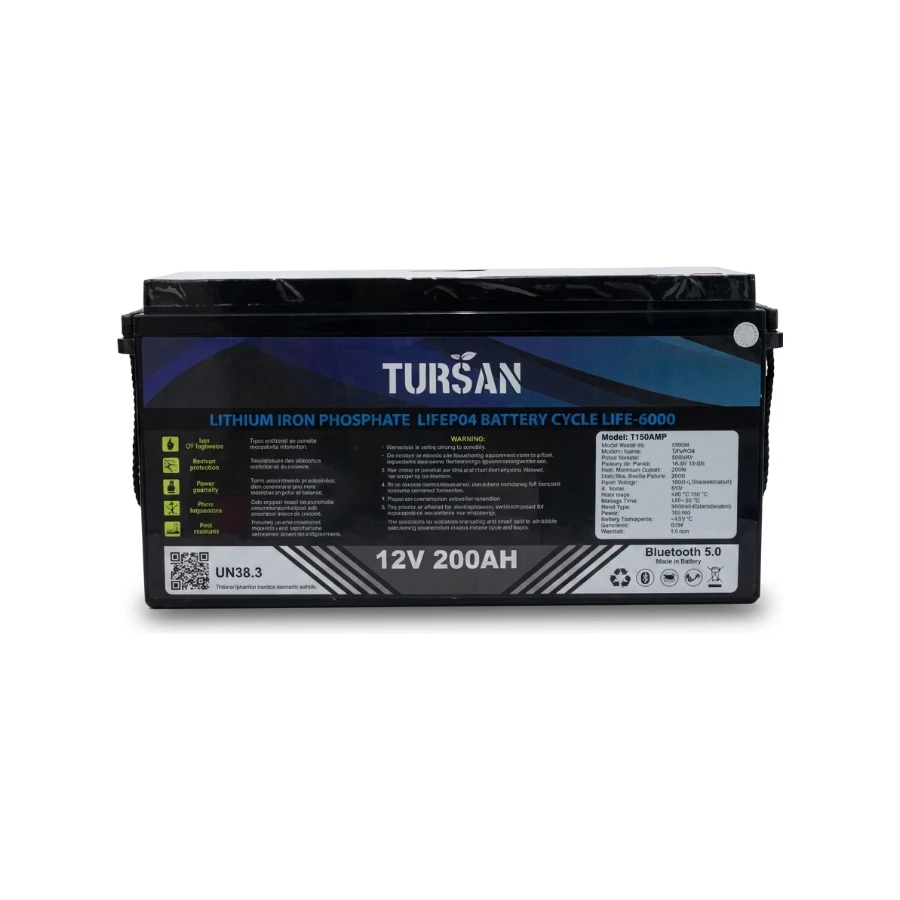
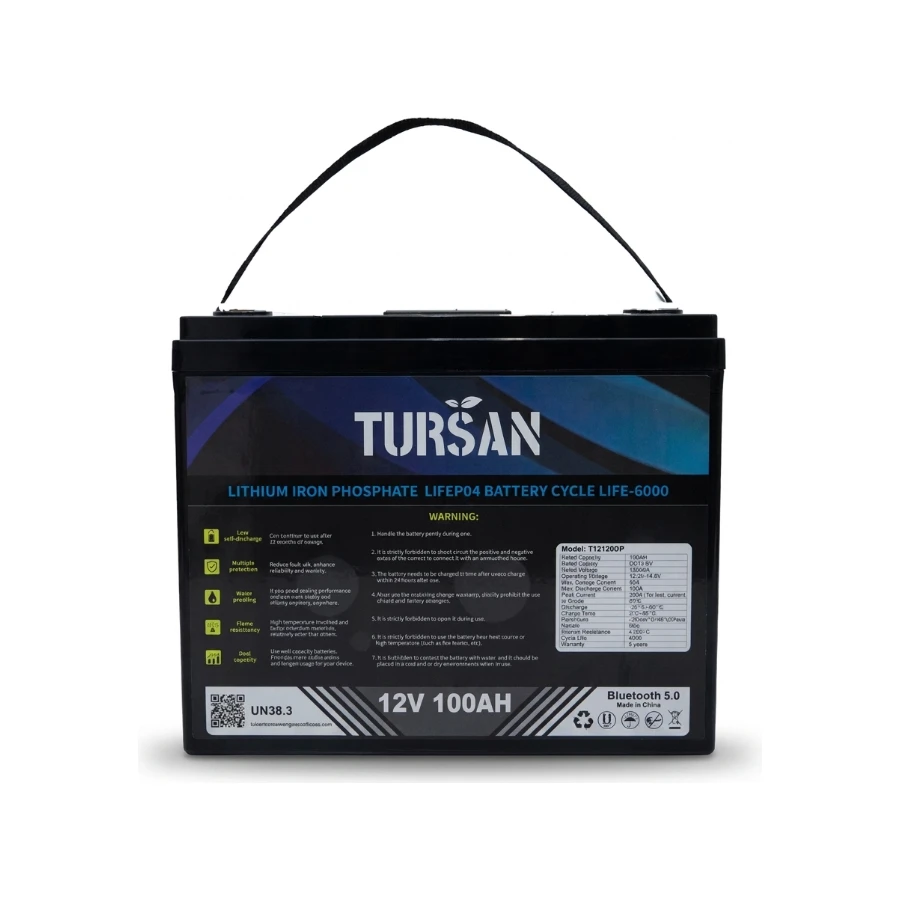
1.3kWh of BYD LiFePO₄ in a 10kg box, rated for 6000+ charge cycles. This is the battery that goes with a 12V inverter — it stores the power, the inverter converts it.
₦319,999
LiFePO₄ from BYD — the same chemistry in every TURSAN unit we sell. Safe, stable, no thermal runaway.
Rated to 6000 cycles at 100% depth of discharge, still holding 70% capacity. Charge it daily and that is over 16 years.
Built-in battery management with UART or Bluetooth. Check voltage, current and state of charge from your phone.
PC+ABS shell. Small enough to sit beside the inverter, light enough to carry one-handed.
Estimates from 1.3kWh, allowing for depth of discharge and inverter losses — about 1,050Wh of real usable energy. A battery does not produce power on its own; you also need an inverter.
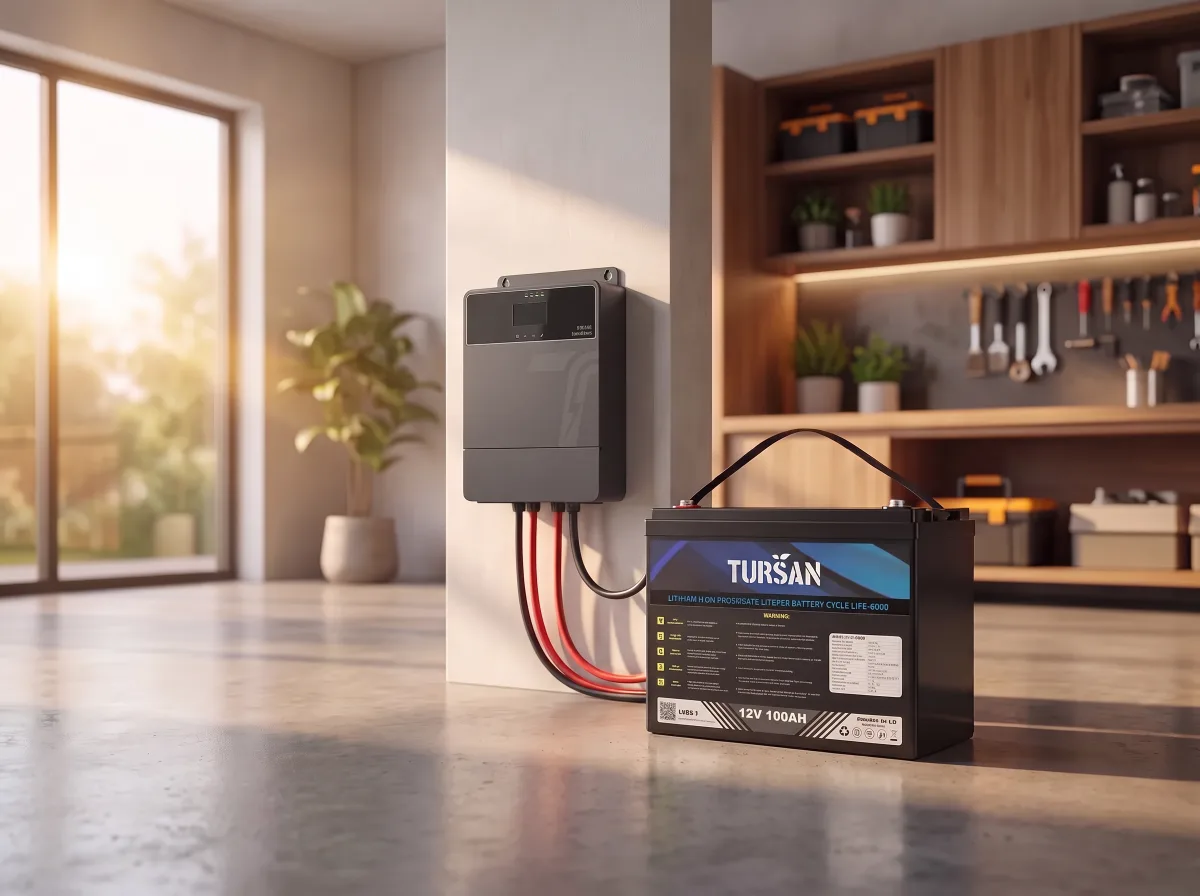
A compact 12V lithium battery for a tidy home-backup setup.
Compatible products
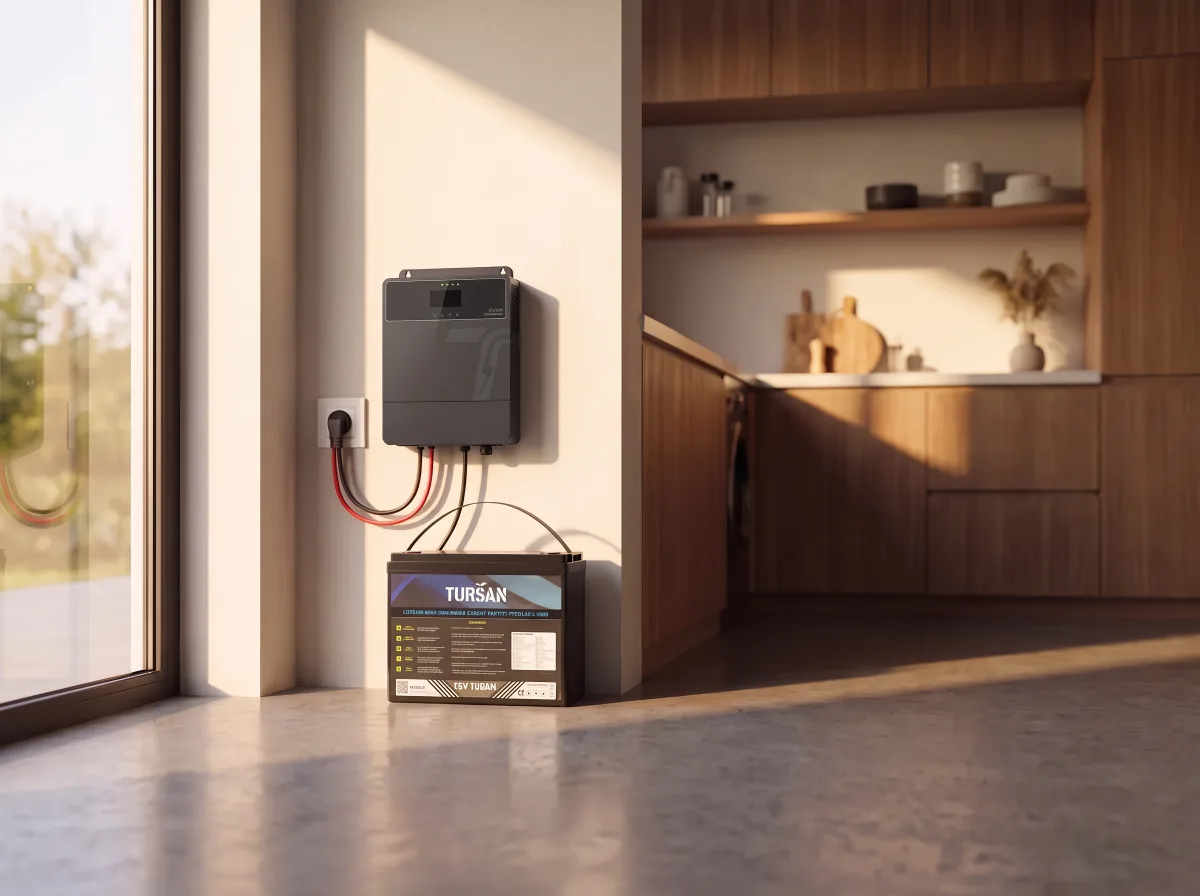
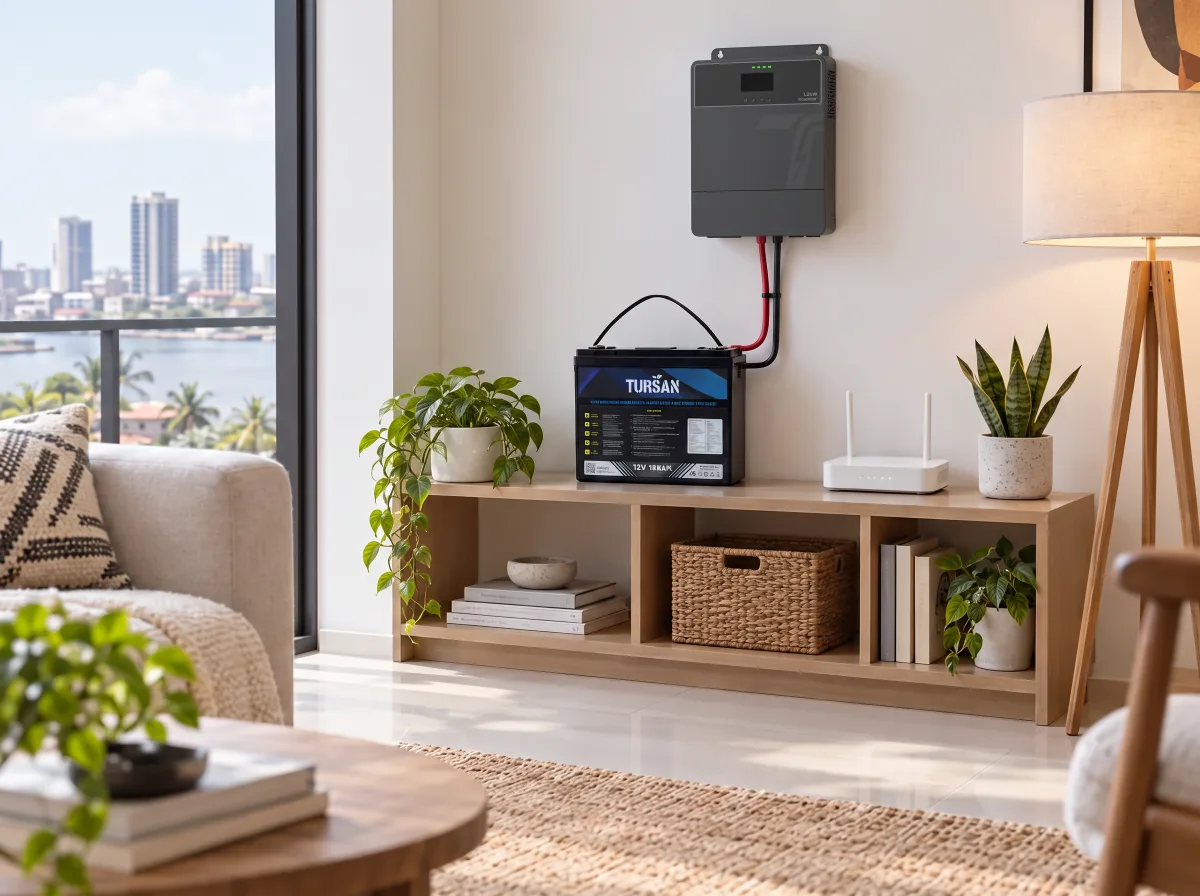
Paired with a 12V inverter in a tidy backup installation.
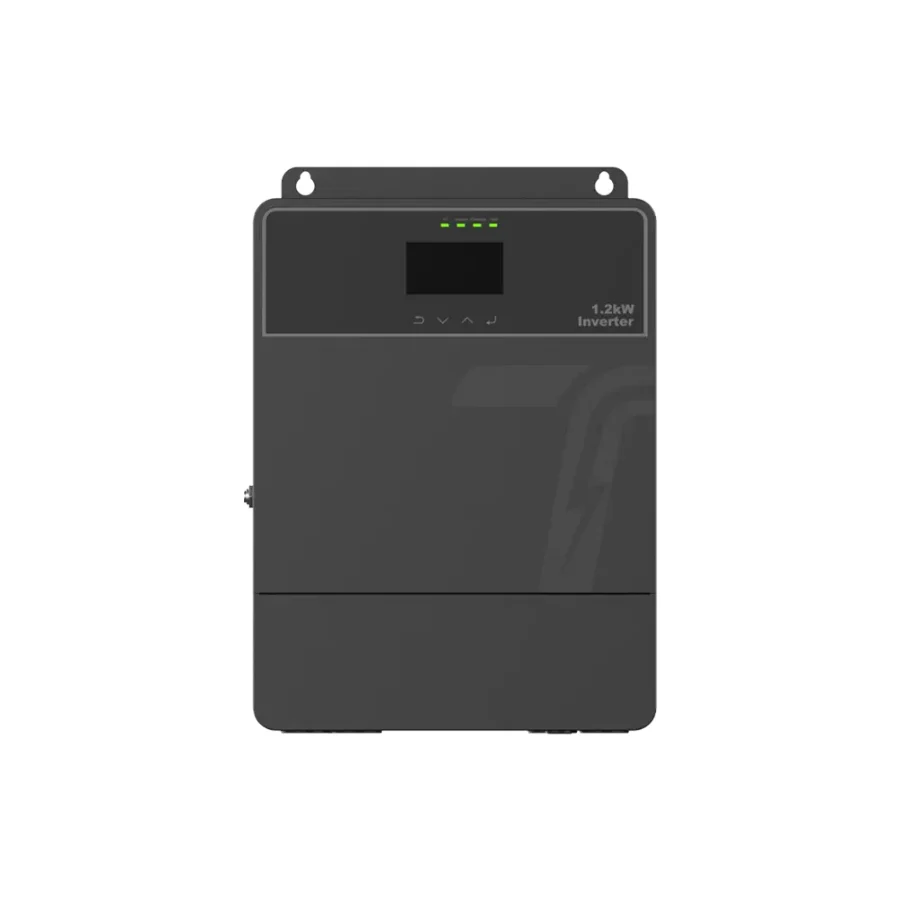
No. A battery only stores energy — it needs an inverter to turn 12V DC into the 220V your sockets use. Pair it with our JC-AC-1.2KW.
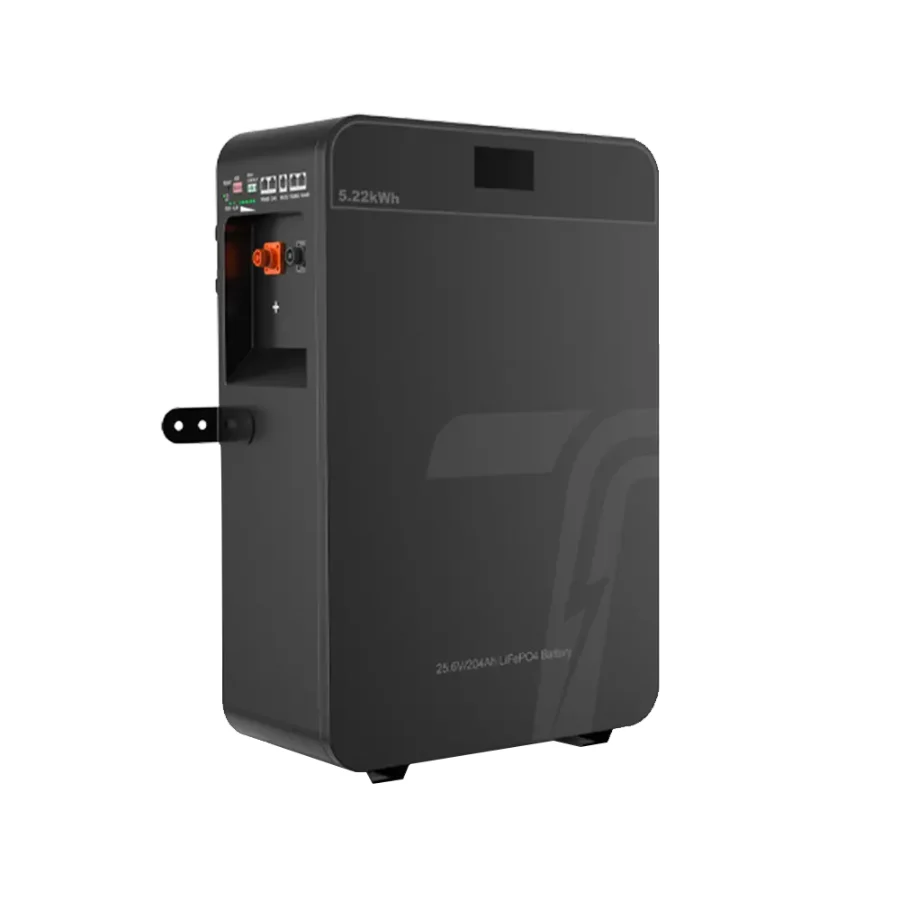
Not on its own. The 3.6kW inverter needs 24V, so you would need two of these wired in series, or the TSA-24V200Ah which is 24V in a single unit.
LiFePO₄ lasts far longer — 6000+ cycles against roughly 1,500 for a good tubular — weighs a third as much, needs no watering, and can be discharged fully without damage.
About 1,050Wh of usable energy after losses. That is roughly 7 hours on a small fridge, 8 hours on twelve LED bulbs, or 4 hours on three ceiling fans.
Yes — up to 15 in parallel. Each one adds another 1.3kWh at the same 12V. Buy one now and expand when you are ready.
No. Your inverter charges it from mains or solar. Charge between 0°C and 60°C; full charge voltage is 14.0–14.6V.
2 years, same as every unit we sell.
All six are BYD LiFePO₄. The difference is how much they store and what voltage inverter they suit.