Two inverters can carry the same "3.6kW" rating and cost wildly different amounts — and the reason is often hidden in three words: pure sine wave. It's the single spec that decides whether your fridge runs quietly for years or hums, heats up and dies early. Yet it's the spec most buyers never ask about.
Here's what it actually means, and why it matters more than almost any other number on the box.
Grid power is a smooth wave. Your appliances were built for it.
The electricity from the national grid doesn't arrive as a flat, steady push. It rises and falls in a smooth, rounded curve many times a second — a sine wave. Every appliance you own, from your ceiling fan to your laptop charger, was designed around that exact smooth shape.
When a backup power source recreates that smooth curve faithfully, your appliances can't tell the difference between it and the grid. When it only approximates the curve, problems start.
Pure sine wave: a clean, grid-quality curve
A pure sine wave inverter produces power that is as smooth as — and often cleaner than — what comes from the grid. It's safe for everything: fridges, freezers, air conditioners, TVs, laptops, medical devices, sound systems, and anything with a motor or a sensitive circuit board. Nothing buzzes, nothing overheats, and your appliances live their full lifespan.
Modified sine wave: a cheap, blocky approximation
A modified sine wave inverter fakes the curve with a series of harsh, stepped blocks — closer to a staircase than a smooth wave. It's cheaper to build, which is why bargain inverters and cheap UPS units use it. It will run simple things like a bulb or a kettle, but feed it a motor or an electronic device and the rough waveform causes real trouble.
What modified sine wave does to your appliances
Fans and pumps buzz and run hotter; fridge and freezer compressors strain and fail years early; some TVs and LED bulbs show lines, flicker or a faint hum; phone and laptop chargers get unusually warm; and certain sensitive electronics and medical devices simply refuse to work. The damage is often slow and invisible — until an appliance dies long before it should.
Which one does each appliance need?
| Appliance | Modified sine wave | Pure sine wave |
| Bulbs, kettle, pressing iron | Usually fine | Perfect |
| Fans & water pumps | Buzzes, runs hot | Smooth & cool |
| Fridge / freezer | Strains, early failure | Runs as designed |
| TV, laptop, phone charger | Flicker, extra heat | Clean & safe |
| Air conditioner, medical, audio | May not run at all | Fully supported |
Why this matters so much in Nigeria
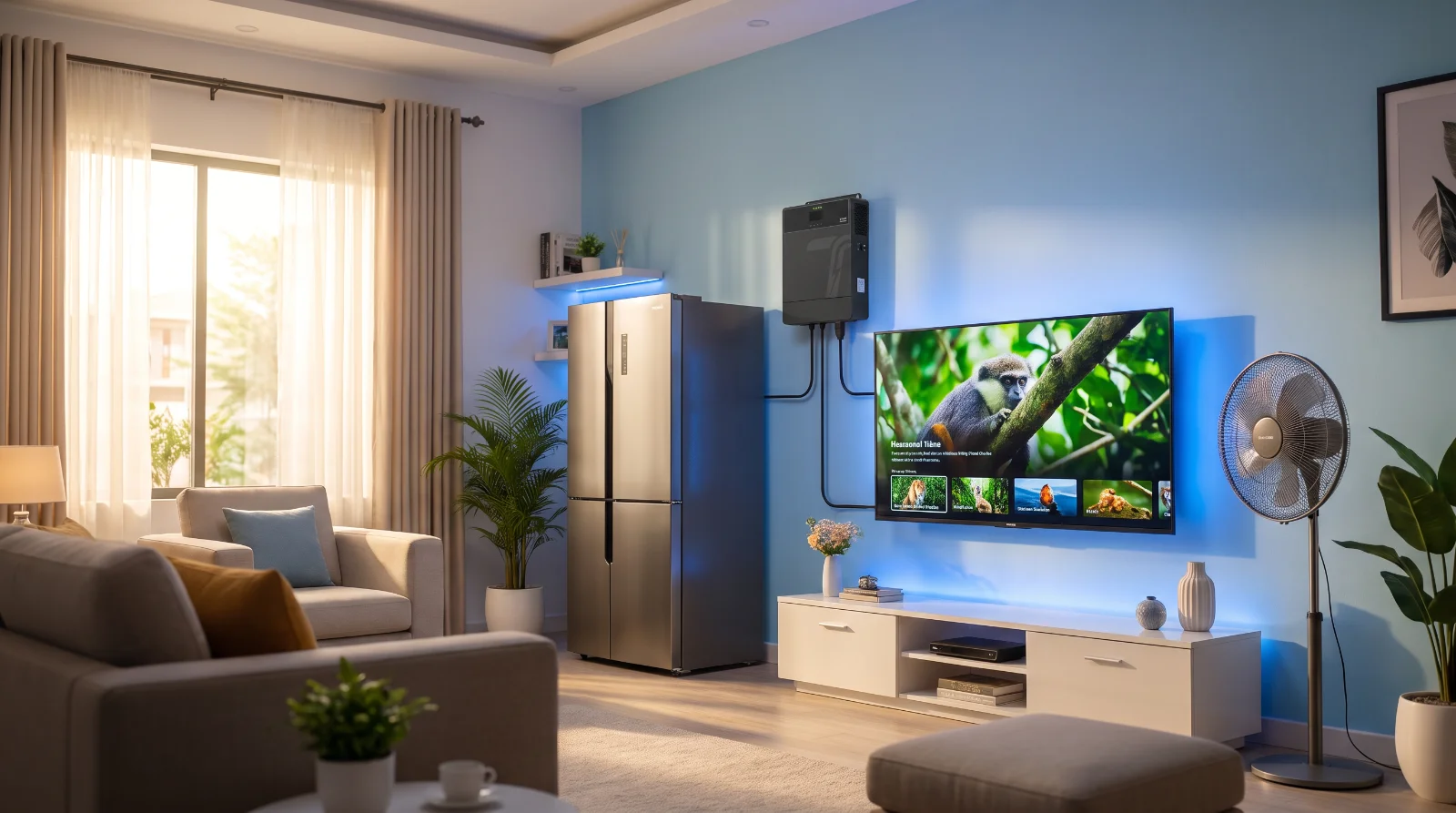
Think about what Nigerian homes and businesses actually run on backup: fridges, freezers, fans, TVs, POS machines, CCTV, sound systems, medical equipment. Almost all of it is exactly the motor-driven and electronic kind of load that a modified sine wave punishes. A cheap inverter can look like a bargain on day one and quietly cost you a fridge or a freezer within a year.
The "cheaper" inverter is rarely cheaper
Saving a little on a modified sine wave unit, then replacing a strained compressor or a damaged TV, almost always costs more than buying clean power from the start. Pure sine wave protects the appliances you've already paid for.
Every TURSAN unit is pure sine wave
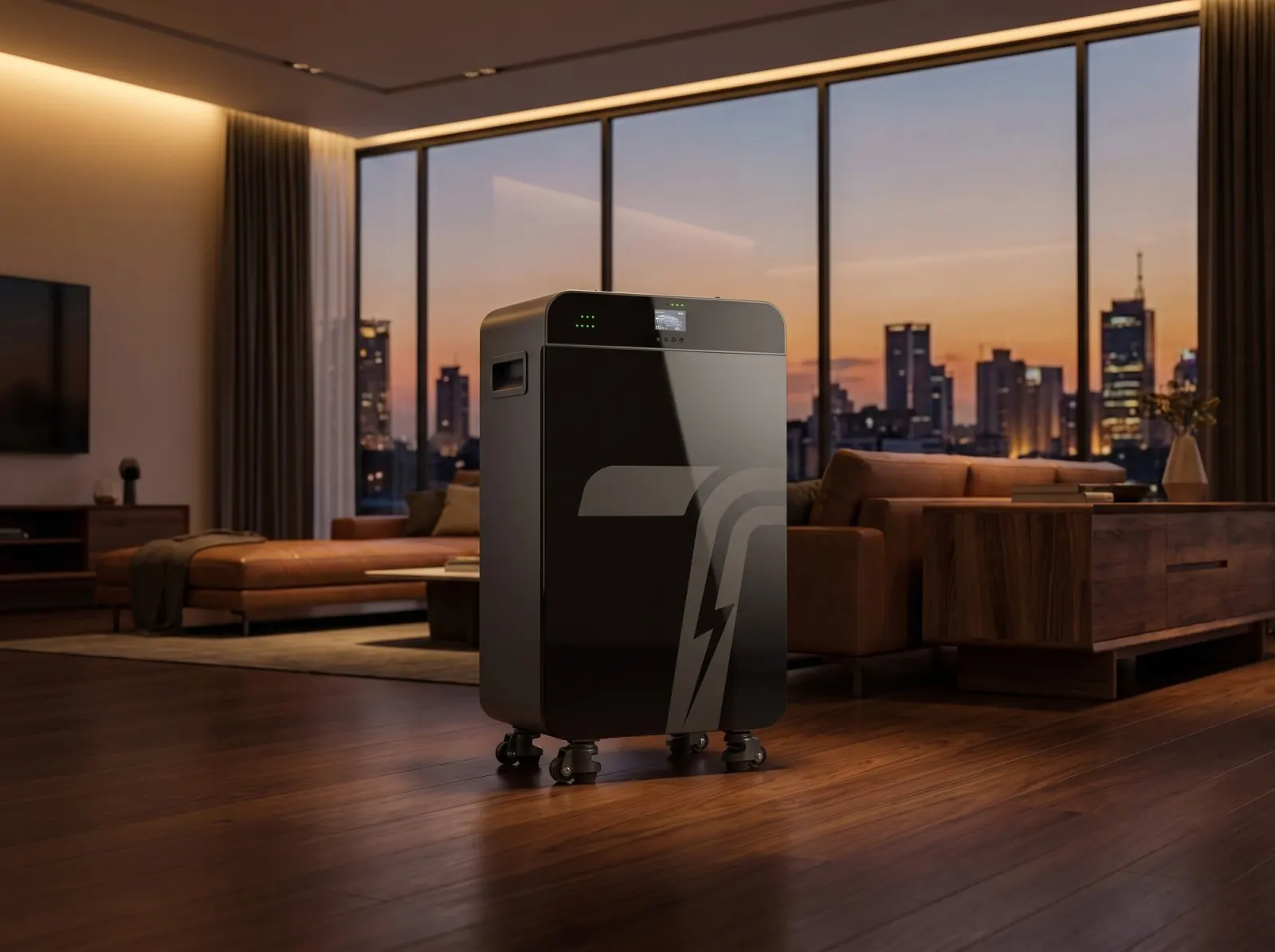
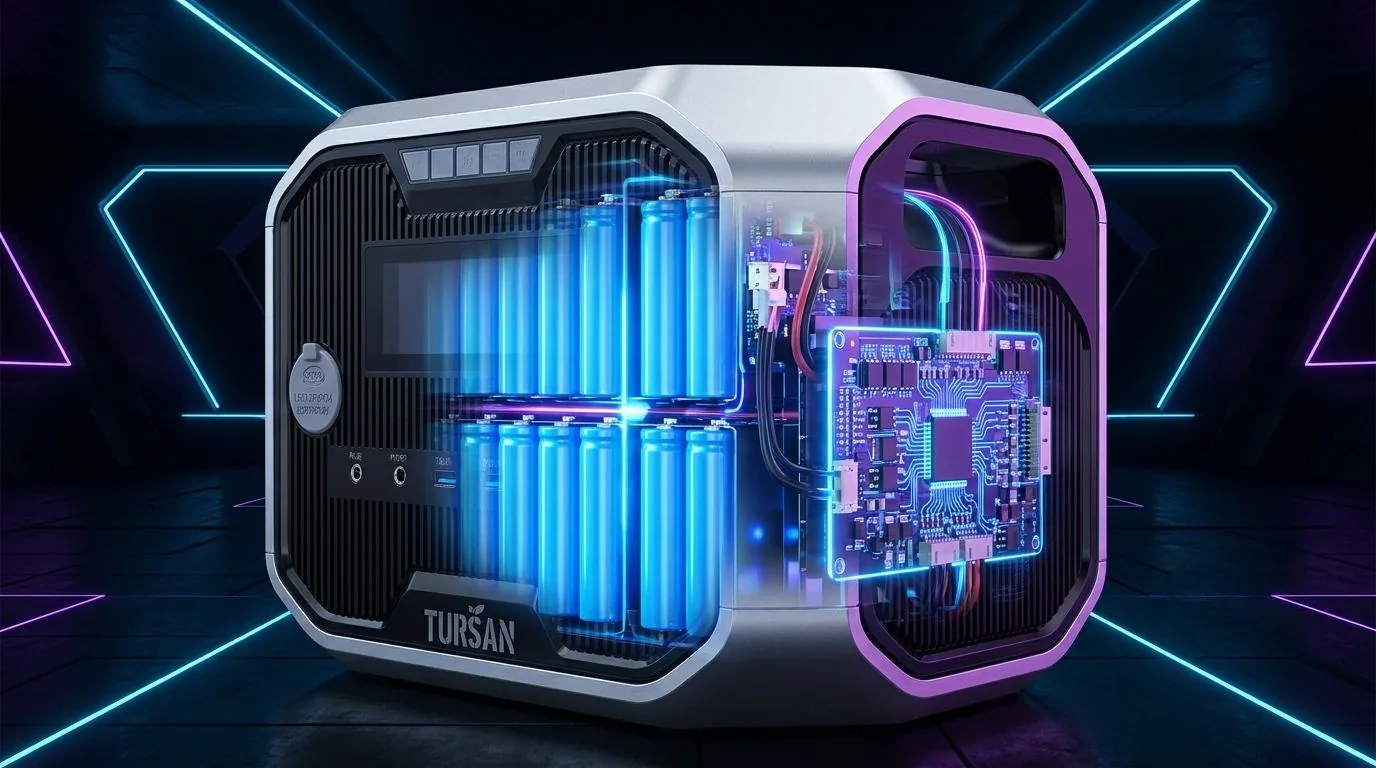
You don't have to decode this spec on a TURSAN. Every TURSAN inverter and power station outputs a true pure sine wave — the same clean quality as the grid, often cleaner. Whatever you plug in, from a deep freezer to a laptop to a medical device, gets power it can trust, and lasts as long as it should.
The bottom line
Modified sine wave is a cost-cutting shortcut that shifts the price onto your appliances. Pure sine wave gives them grid-quality power and full lifespan. If you're running anything with a motor or a circuit board — and in a Nigerian home you almost always are — pure sine wave isn't a luxury, it's protection. Every TURSAN delivers it as standard.
Frequently Asked Questions
What is a pure sine wave inverter?
One that produces smooth, grid-quality power that is safe for fridges, ACs, TVs, laptops, medical devices and anything with a motor.
What does modified sine wave do to appliances?
Fans and pumps buzz and run hotter, and fridge and freezer compressors strain and fail years early.
Are TURSAN products pure sine wave?
Yes. TURSAN power stations and inverters produce pure sine wave output.
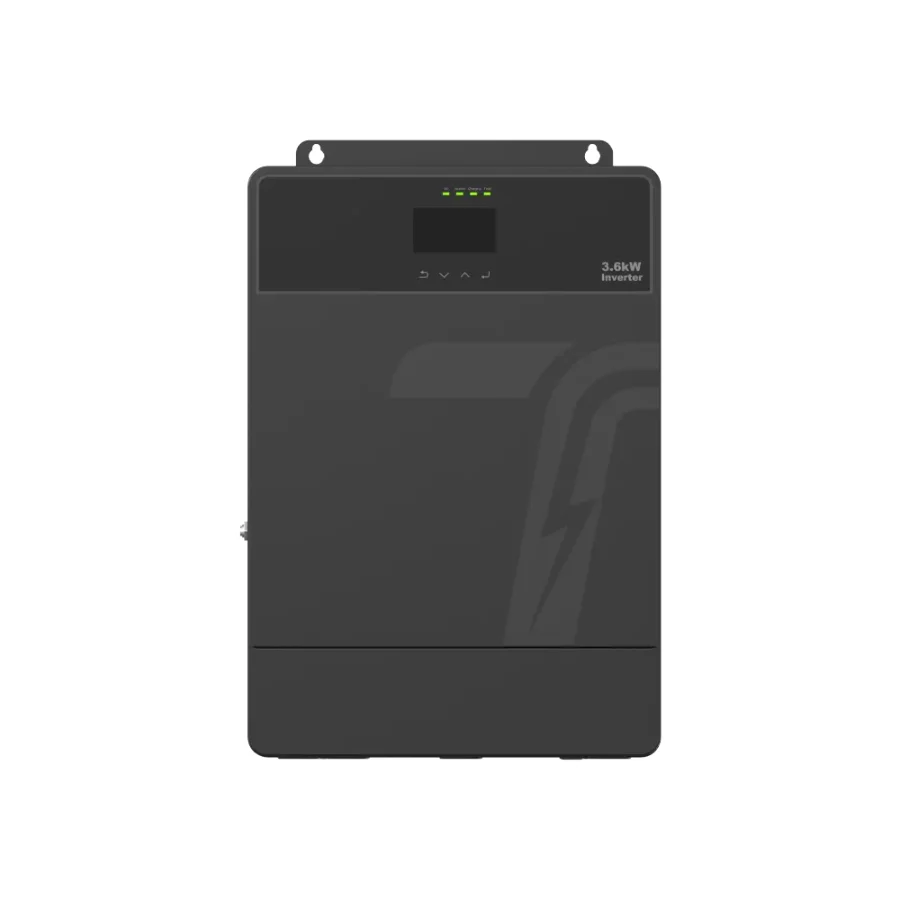
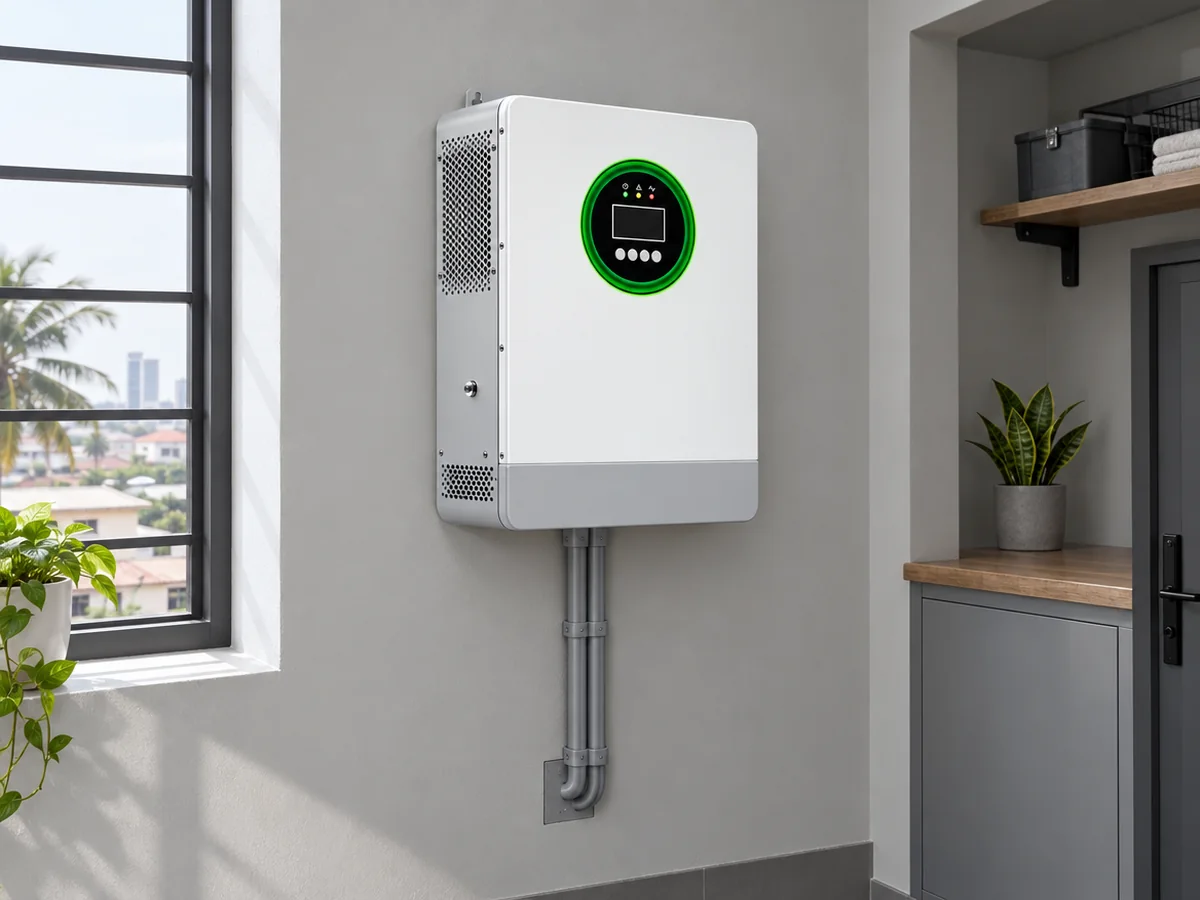
TURSAN JC-AC-3.6KW
3.6kW of true pure sine wave power — grid-clean electricity that protects every appliance in your home. Pairs with a 24V battery for whole-home backup.