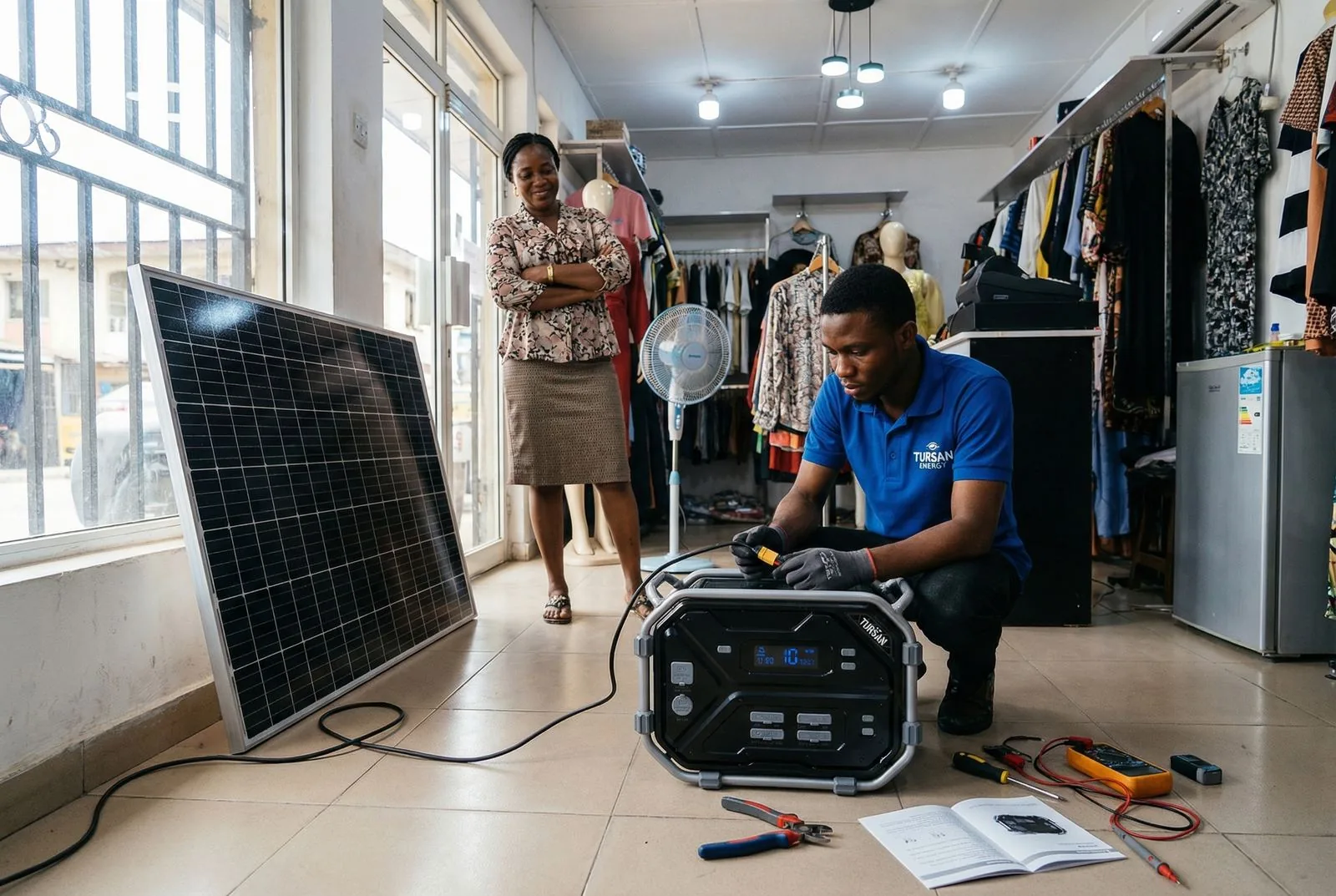
You just spent a significant amount of money on a portable power station. It's keeping your business running through every NEPA blackout, silently powering your laptop, lights, and POS machine while your neighbours wrestle with noisy generators. But here's the question nobody asks at the point of purchase: how do you make sure this investment lasts a full decade?
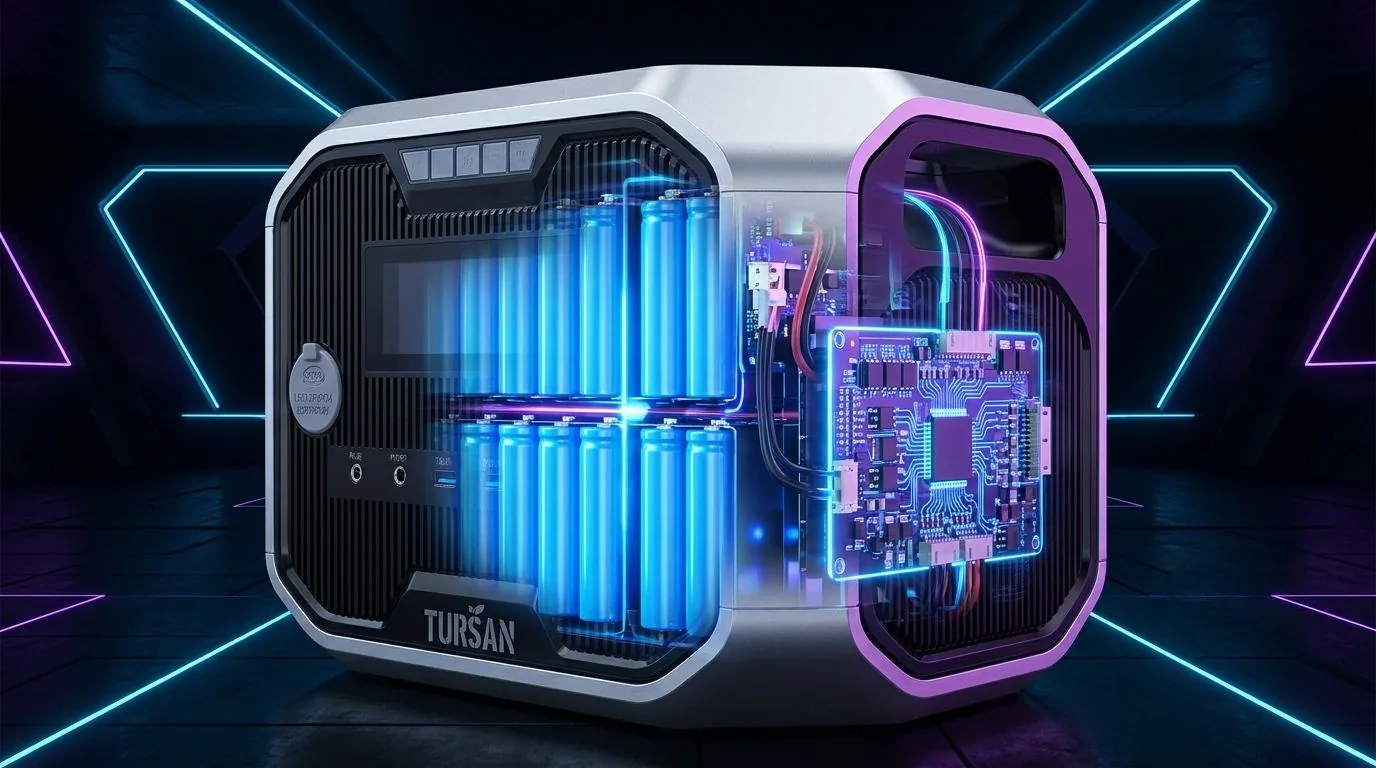
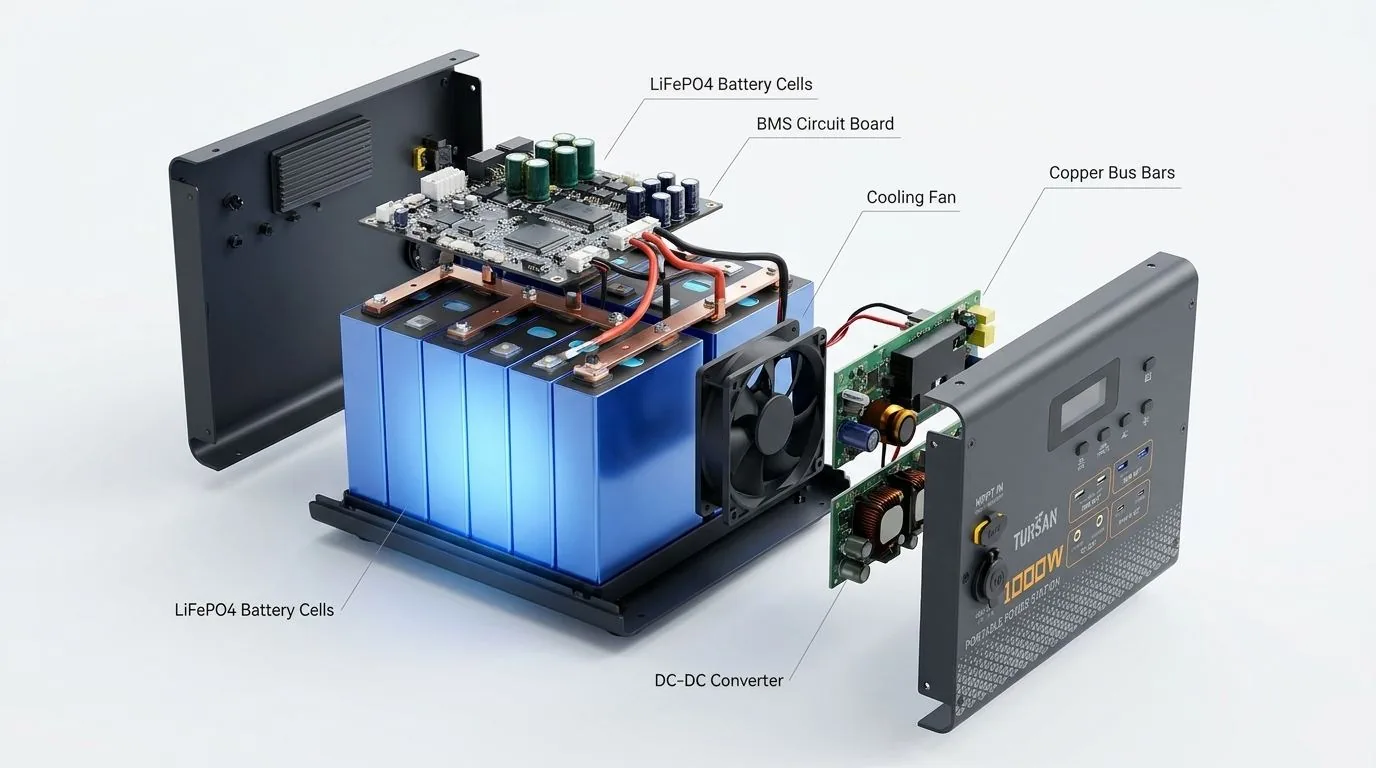
The answer lies in understanding the battery inside your unit. TURSAN power stations use LiFePO4 (Lithium Iron Phosphate) cells — specifically BYD-grade cells, which are among the safest and longest-lasting battery chemistries on the market. With proper care, these batteries deliver 4,000+ charge cycles, which translates to more than 10 years of daily use.
But "proper care" in Nigeria looks different from what the manual written for European or American markets might suggest. Our climate is hotter, our grid power is less stable, and our usage patterns are unique. This guide covers everything you need to know.
🚨 The Hidden Problem
Many Nigerians treat power stations the same way they treat generators — run it until it dies, then deal with it. But unlike a generator you can patch up with a new spark plug, battery degradation is permanent and cumulative. Every bad habit chips away at your battery's total capacity, and you won't notice until it's too late.
Understanding LiFePO4: Why It Matters
Not all lithium batteries are created equal. Most cheap power banks and even some portable power stations use lithium-ion (Li-ion) or lithium polymer (LiPo) cells. These are cheaper to manufacture but come with serious drawbacks:
- Shorter lifespan: Li-ion cells typically last 500-800 cycles before losing significant capacity. LiFePO4 delivers 4,000+ cycles.
- Thermal instability: Li-ion cells are prone to thermal runaway — they can overheat and, in rare cases, catch fire. LiFePO4 is inherently stable and will not combust.
- Faster degradation in heat: Li-ion loses capacity rapidly above 35°C. LiFePO4 handles heat far better — critical in Nigeria where ambient temperatures regularly exceed 35°C.
- Voltage stability: LiFePO4 maintains consistent voltage output throughout its discharge cycle, meaning your appliances get clean, steady power from 100% down to 10%.
TURSAN power stations use BYD LiFePO4 cells — the same manufacturer that supplies battery cells to major electric vehicle makers worldwide. This is not a generic Chinese cell; it's an automotive-grade component built for thousands of cycles in demanding conditions.
⚡ Why BYD Cells Matter
BYD is the world's largest manufacturer of LiFePO4 batteries. Their cells undergo rigorous quality control including nail penetration tests, crush tests, and extreme temperature cycling. When TURSAN uses BYD cells, you're getting the same quality that goes into electric buses and grid-scale energy storage — not repurposed laptop batteries.
The 7 Rules of LiFePO4 Battery Care in Nigeria
Rule 1: Keep It Between 20% and 80% When Possible
This is the single most impactful thing you can do for battery longevity. LiFePO4 cells experience the least stress when they operate in the 20-80% state of charge (SoC) range. Regularly draining to 0% or charging to 100% accelerates wear on the cell chemistry.
Now, we're realistic — this is Nigeria. When NEPA takes the light and you need every last watt, you'll drain it to 5% and that's fine. The key word is "regularly." If you're consistently running full cycles from 100% to 0% every single day, you'll get maybe 2,000-3,000 cycles instead of 4,000+. That's still 5-8 years, but why not aim for the full decade?
Practical tip: If you know your daily usage only requires about 40-50% of your battery, charge it to 80% instead of 100%. Most TURSAN units will show the percentage on the LCD display.
Rule 2: Manage Heat — Your Battery's Worst Enemy
Nigeria's climate is the biggest challenge for battery longevity. Lagos averages 27-33°C year-round, and indoor temperatures without AC can easily hit 38-42°C. Here's what heat does to your battery:
- Temperatures above 45°C accelerate chemical degradation of the electrolyte
- Sustained heat above 40°C reduces total cycle life by 10-20%
- Charging in extreme heat (above 45°C) can trigger the Battery Management System (BMS) to shut down charging as a safety measure
What to do:
- Never leave your power station in direct sunlight. This seems obvious, but many people place their unit near windows or on balconies. Even indirect sunlight through a window can raise the unit's surface temperature by 10-15°C.
- Ensure ventilation. Don't place the unit inside a cupboard, enclosed shelf, or box while it's charging or discharging. The built-in fans need airflow to keep temperatures manageable.
- Keep it off the floor if your floor retains heat. Concrete and tile floors in poorly ventilated rooms can get surprisingly hot. Place the unit on a wooden surface or shelf.
- If your room exceeds 40°C regularly, consider positioning a small fan near the unit during charging. A ₦3,000 desk fan can add years to your battery's life.
Rule 3: Use the Right Charger — Always
TURSAN power stations come with matched AC chargers designed for their specific battery configuration. Never substitute a third-party charger unless it matches the exact voltage and amperage specifications. A mismatched charger can:
- Overcharge cells, leading to permanent capacity loss
- Undercharge cells, leaving capacity on the table and creating cell imbalance
- Deliver unstable current, which confuses the BMS and can trigger safety shutdowns
Nigeria's grid power is notoriously unstable. Voltage fluctuations between 160V and 250V are common in many areas. TURSAN's built-in chargers are designed to handle this range, but if your area experiences extreme fluctuations (below 150V or above 260V), consider using a voltage stabiliser between your wall outlet and the power station's charger.
Rule 4: Don't Leave It at 0% for Extended Periods
If you fully discharge your power station and then leave it sitting for weeks or months without recharging, the battery voltage drops further through a process called self-discharge. If the voltage drops below a critical threshold, the BMS may lock out the battery entirely, requiring professional intervention to recover — or in the worst case, making the battery unrecoverable.
Practical tip: If you're travelling or won't use the unit for more than 2 weeks, charge it to 50-60% before storage. This is the ideal storage charge level for LiFePO4 cells. Check on it monthly and top up if it drops below 30%.
Rule 5: Avoid Charging and Discharging Simultaneously (When Possible)
Many power stations support "pass-through" charging — you can charge the unit while it powers your devices. While TURSAN units are designed to handle this safely, doing it constantly puts extra thermal stress on the battery. The cells are simultaneously absorbing and releasing energy, generating more internal heat than either operation alone.
Best practice: When grid power is available, charge the power station fully, then unplug it and use it on battery. Reserve pass-through mode for situations where you genuinely need uninterrupted power during charging.
Rule 6: Keep It Clean and Dust-Free
Nigeria is dusty — especially during Harmattan season (November to March) when fine dust from the Sahara blankets everything. Dust accumulation on your power station:
- Blocks ventilation ports, trapping heat inside the unit
- Clogs fan intakes, reducing cooling efficiency
- Can cause short circuits if conductive dust particles bridge electrical contacts on output ports
Monthly maintenance: Use a soft, dry cloth to wipe down all surfaces. Use a can of compressed air or a soft brush to clean out ventilation grilles and port openings. Never use water or wet cloths on electrical ports.
Rule 7: Update Your Mindset — This Is Not a Generator
The biggest maintenance mistake Nigerian power station owners make is treating the unit like a generator. With a generator, you run it hard, service it when it breaks, and replace it in 3-5 years. A power station rewards the opposite approach: gentle, consistent use with basic attention to charge levels and temperature.
Charging Best Practices for Nigerian Conditions
| Charging Method | Best For | Nigerian Consideration |
|---|---|---|
| AC (Wall) | Daily charging, fastest method | Use stabiliser if voltage is unstable in your area |
| Solar Panel | Off-grid areas, cost savings | Nigeria gets 5-7 hours of peak sun daily — excellent for solar |
| Car (12V) | Emergency charging on the go | Good for business trips and deliveries outside the city |
Storage Tips for Long Periods
Planning to travel abroad or simply won't need the unit for a while? Here's how to store it properly:
- Charge to 50-60% — not full, not empty
- Turn off all output ports (AC, DC, USB) to prevent phantom drain
- Store in a cool, dry place — ideally below 30°C. A bedroom with a ceiling fan is better than a hot storeroom
- Check every 30 days and recharge to 50% if it has dropped significantly
- Keep away from metal objects that could contact the ports
- Cover loosely with a cloth to keep dust out, but don't seal it in plastic (trapped moisture can cause issues)
Signs Your Battery Needs Attention
Even with perfect care, batteries do age. Here's what to watch for:
- Noticeably shorter runtime — if you used to get 5 hours and now get 3.5 hours with the same load, your capacity has degraded
- The unit runs hotter than usual during charging or discharge
- The BMS triggers shutdowns more frequently (the unit turns off unexpectedly)
- Charging takes significantly longer than when the unit was new
- The display shows erratic percentage readings — jumping from 40% to 15% suddenly
If you notice any of these signs within the first 2 years, contact NIXDIN support — your unit is under warranty and the battery may be covered for replacement.
"A LiFePO4 power station isn't just a backup power device — it's a 10-year investment. Treat the battery right, and it will treat your business right for a decade."
The Bottom Line: Simple Habits, Massive Returns
You don't need to be an engineer or a battery scientist. The rules are simple:
- Keep charge between 20-80% for daily use
- Keep it cool and ventilated
- Use the original charger
- Don't leave it dead for weeks
- Avoid constant pass-through charging
- Clean the dust regularly
- Store at 50% if not using for extended periods
Follow these seven rules, and your TURSAN power station will be keeping the lights on in your shop, salon, or home office long after your neighbour has replaced their third generator.
Frequently Asked Questions
How long do LiFePO4 batteries last?
With proper care, TURSAN power stations’ BYD LiFePO4 cells deliver 4,000+ charge cycles, which is more than 10 years of daily use.
Why is LiFePO4 better than lithium-ion?
It lasts far longer (4,000+ cycles against 500–800), is thermally stable, and handles heat much better, which matters in Nigeria.
Does heat damage a power station battery?
Heat speeds up battery ageing, so keep the unit out of direct sun and hot cars, in a shaded and ventilated spot.
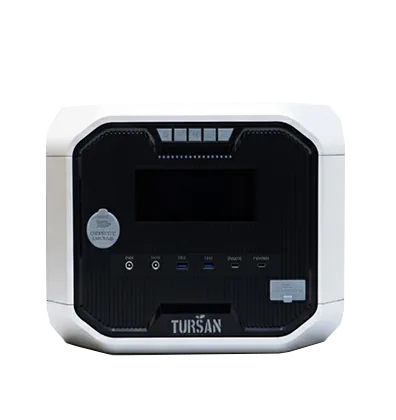
TURSAN YC1200 Portable Power Station
1200W pure sine wave output with BYD LiFePO4 cells rated for 4,000+ cycles. Built-in MPPT solar controller, multiple output ports, and a robust BMS that protects against overcharge, over-discharge, and overheating. Built to thrive in Nigerian conditions.