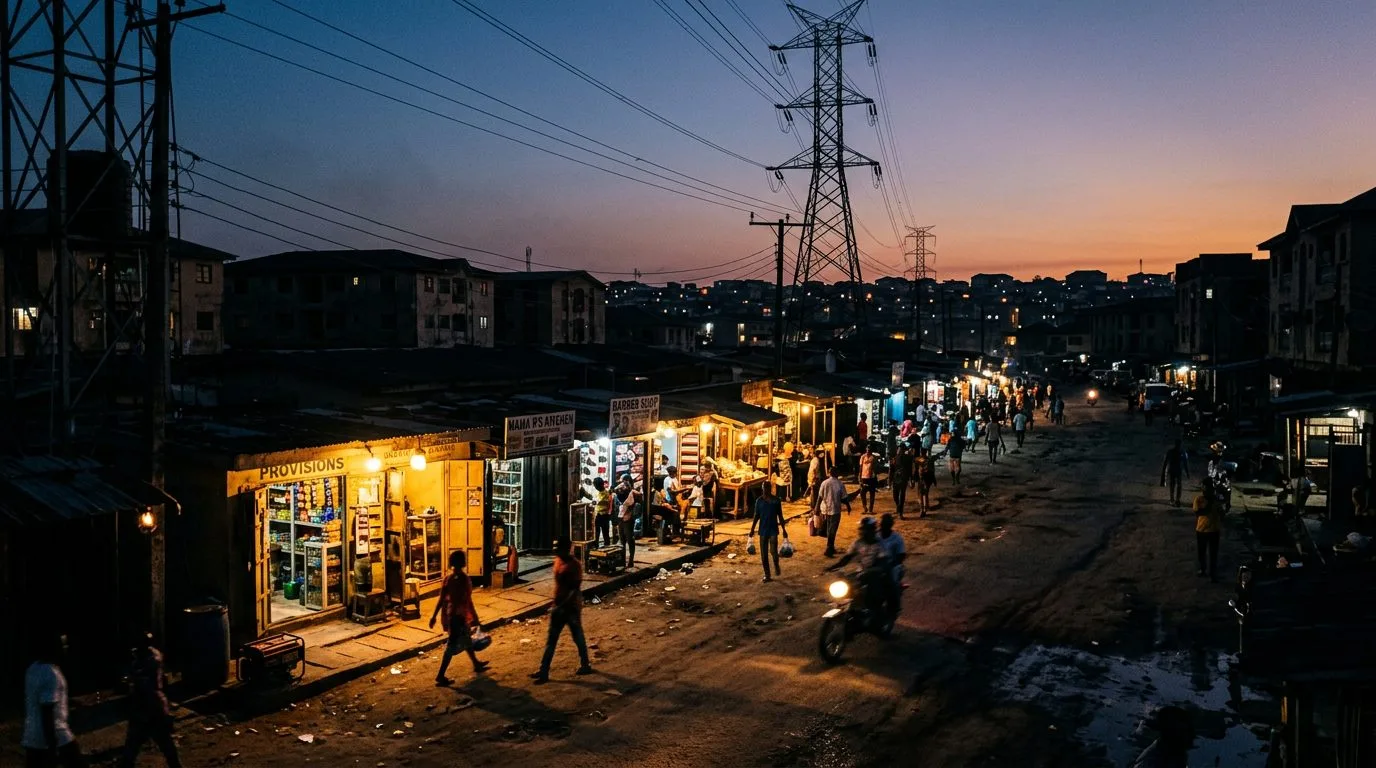
On 23 January 2026, Nigeria’s national grid collapsed at around 11:40am, and generation fell to zero. Every distribution company — Abuja, Eko, Benin, Enugu, Ibadan, Jos, Kano, Kaduna, Port Harcourt and Yola — recorded zero load. Four days later, on 27 January, it happened again.
One place kept its lights on. That detail is more instructive than the collapse itself.
What a grid collapse actually is
A national grid is a balancing act. Generation and demand must match almost exactly, and frequency must stay within a narrow band. When a large generator trips or a transmission line fails, that balance breaks. Protective systems disconnect to prevent equipment damage, and the failure cascades until the system is dark.
Restoration is not a matter of flipping a switch. The grid has to be rebuilt section by section, which is why a collapse at midday can mean no power well into the evening.
Why Aba stayed lit
While every DisCo sat at zero, residents of Aba in Abia State kept uninterrupted electricity, supplied by Geometric Power’s 188-megawatt plant through a distribution network fitted with smart meters.
The reason is structural rather than lucky. Aba generates and distributes locally. It is not depending on power travelling across the national transmission network, so when that network fails, Aba is not part of the failure.
This is the entire principle behind distributed generation: a system that does not depend on a single fragile link cannot be brought down by that link breaking.
The uncomfortable lesson for everyone else
Most Nigerians do not live in Aba and cannot arrange a 188MW plant on their street. But the underlying logic scales all the way down.
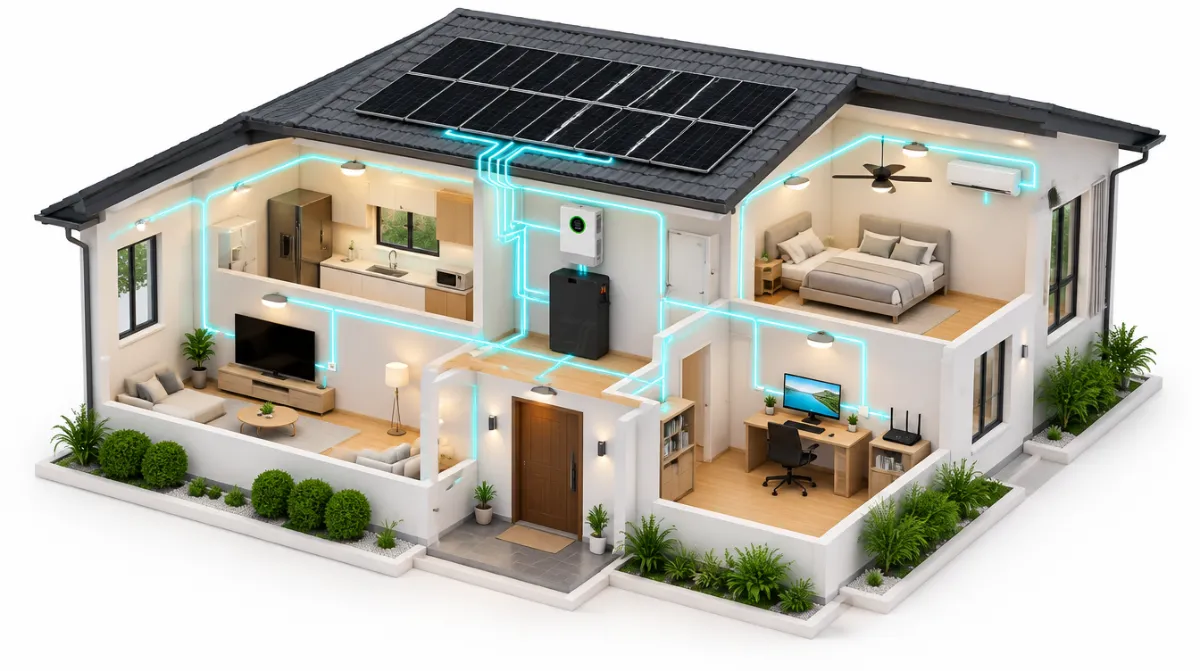
The reason a grid collapse leaves your home dark is that your home has no ability to generate or store power of its own. Every watt you use arrives in real time from somewhere far away, across infrastructure you do not control and cannot inspect.
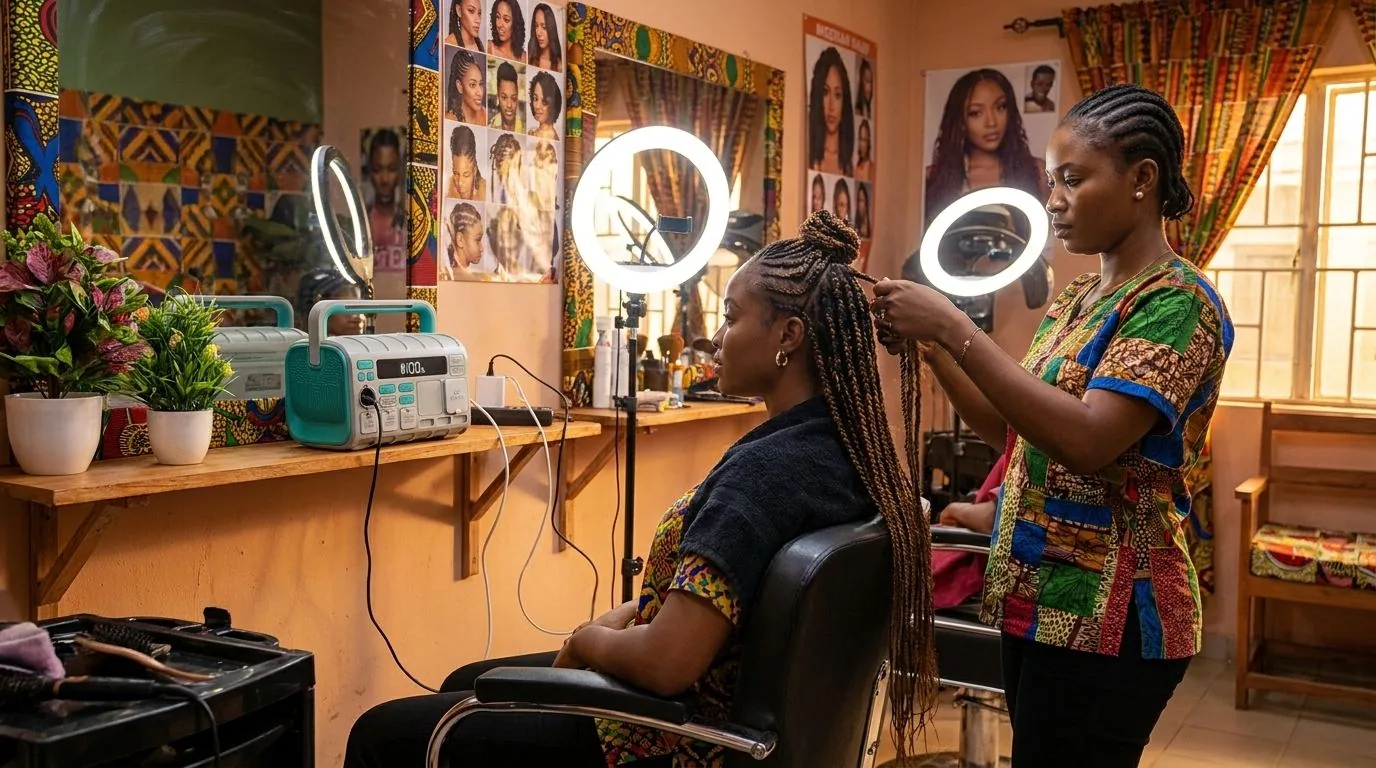
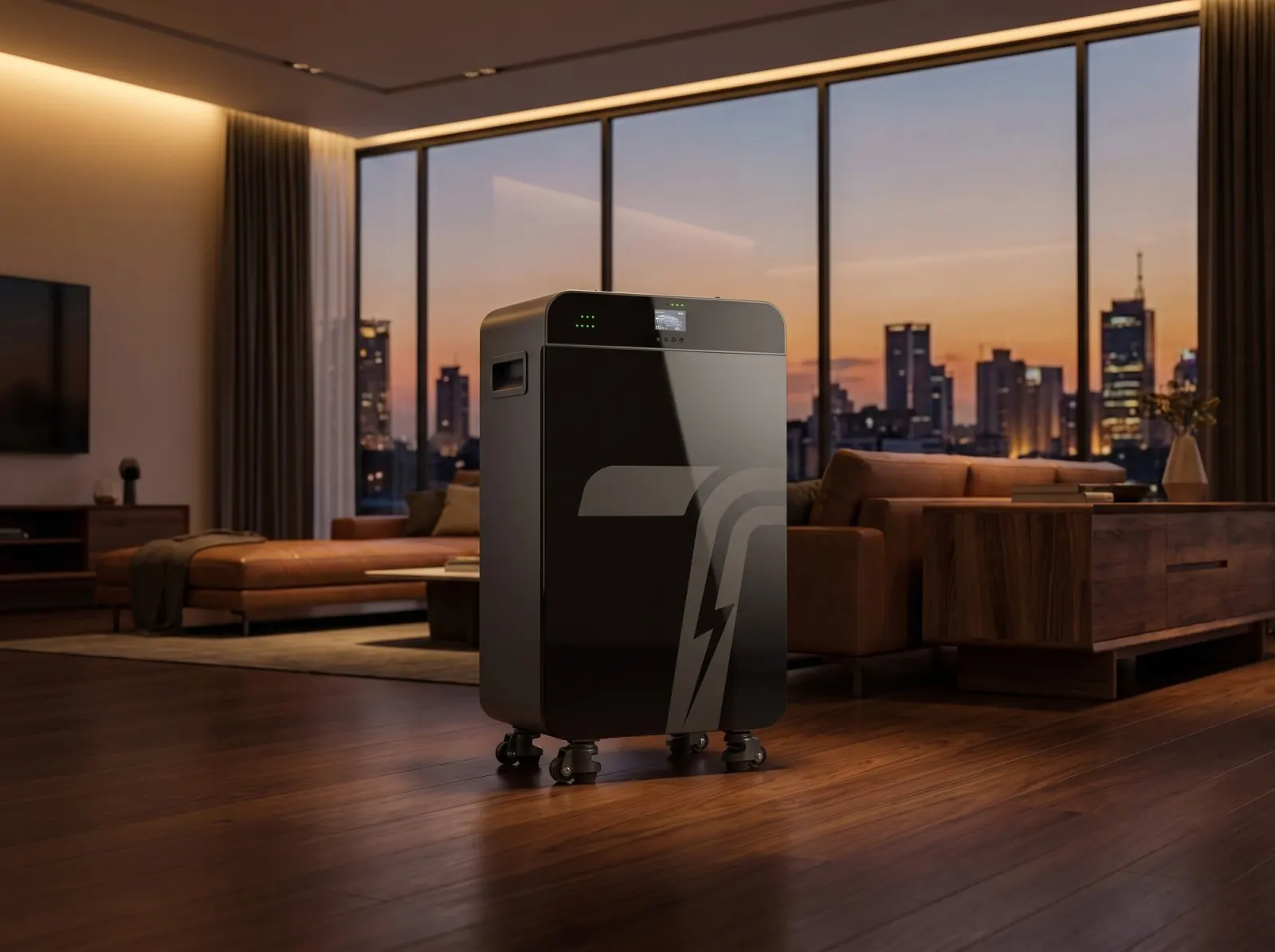
A battery in your house is a very small version of what Aba has. It will not power a city. It will keep your lights, fans, fridge and internet running through the hours between a grid collapse and its restoration — which is the part that actually affects your evening.
What is being done about it
NISO has been directed to install smart meters at all regional interconnection points by December 2026, intended to improve monitoring and accountability across the system.
That is a real step, and worth acknowledging. It is also, honestly, a measurement improvement rather than a capacity one. Better instrumentation helps operators see problems and assign responsibility. It does not by itself add generation or replace ageing transmission infrastructure, which is where the underlying fragility sits.
Planning around it rather than hoping
Grid collapses are not weather events that arrive without warning and pass. They are a recurring feature of a system under structural strain, and they have recurred throughout 2026.
Planning around that does not require pessimism, just arithmetic. Decide which things in your home genuinely need to keep running — usually lights, fans, the fridge, phones and the router — and size a battery for that list rather than for your whole house.
Our load calculator will do the sizing for you, and our guide to powering your home during a blackout covers how to set it up sensibly.
Frequently Asked Questions
What happened to the grid in January 2026?
The national grid collapsed on 23 January 2026, with generation falling to zero, and collapsed again four days later on 27 January.
Why did Aba keep its lights on?
Aba is supplied by Geometric Power’s local 188-megawatt plant and network, so it did not depend on the national transmission network that failed.
How can a home protect itself from a grid collapse?
Store your own power. A battery at home is a small version of what Aba has: power that does not depend on a far-away grid staying up.
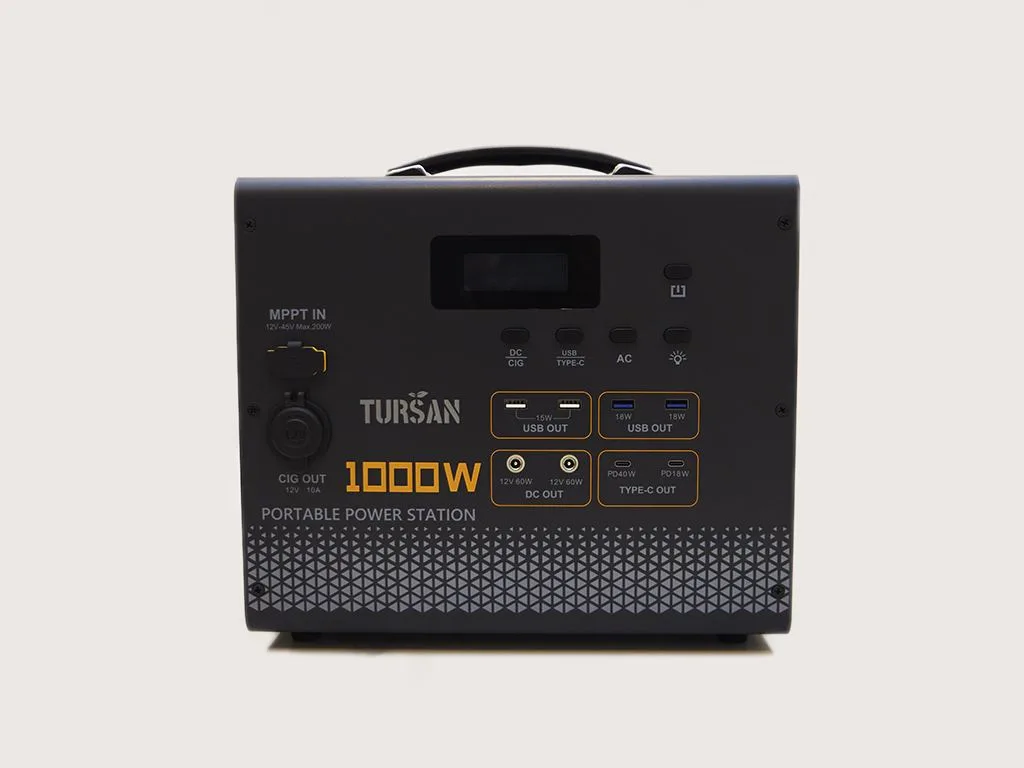
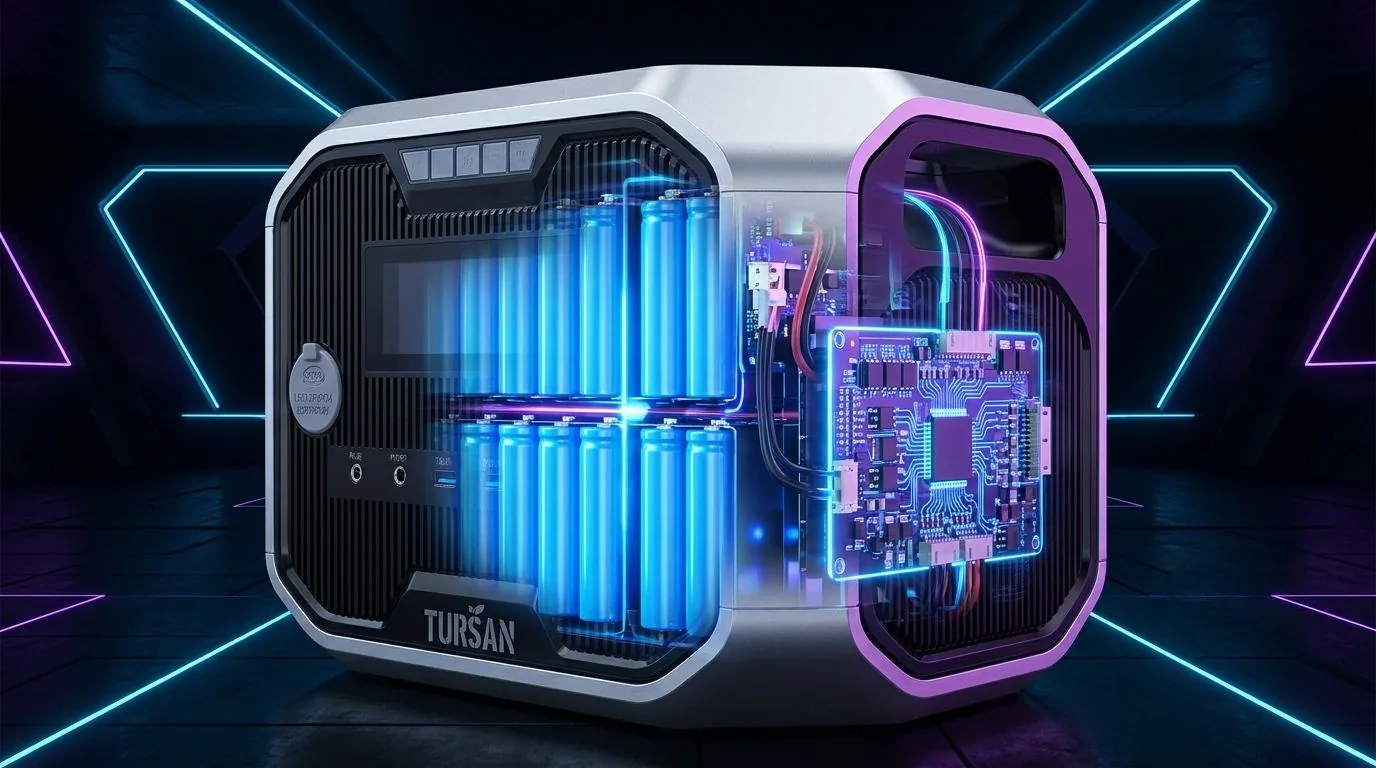
TURSAN YC 1100 — keeps the essentials running
1,000W output and 1,222.8Wh of BYD LiFePO₄ storage. Enough headroom to start a fridge, quiet enough to run indoors, no fuel required.
₦539,999 View the YC 1100 →Sources: Nairametrics, BusinessDay, The Guardian Nigeria.