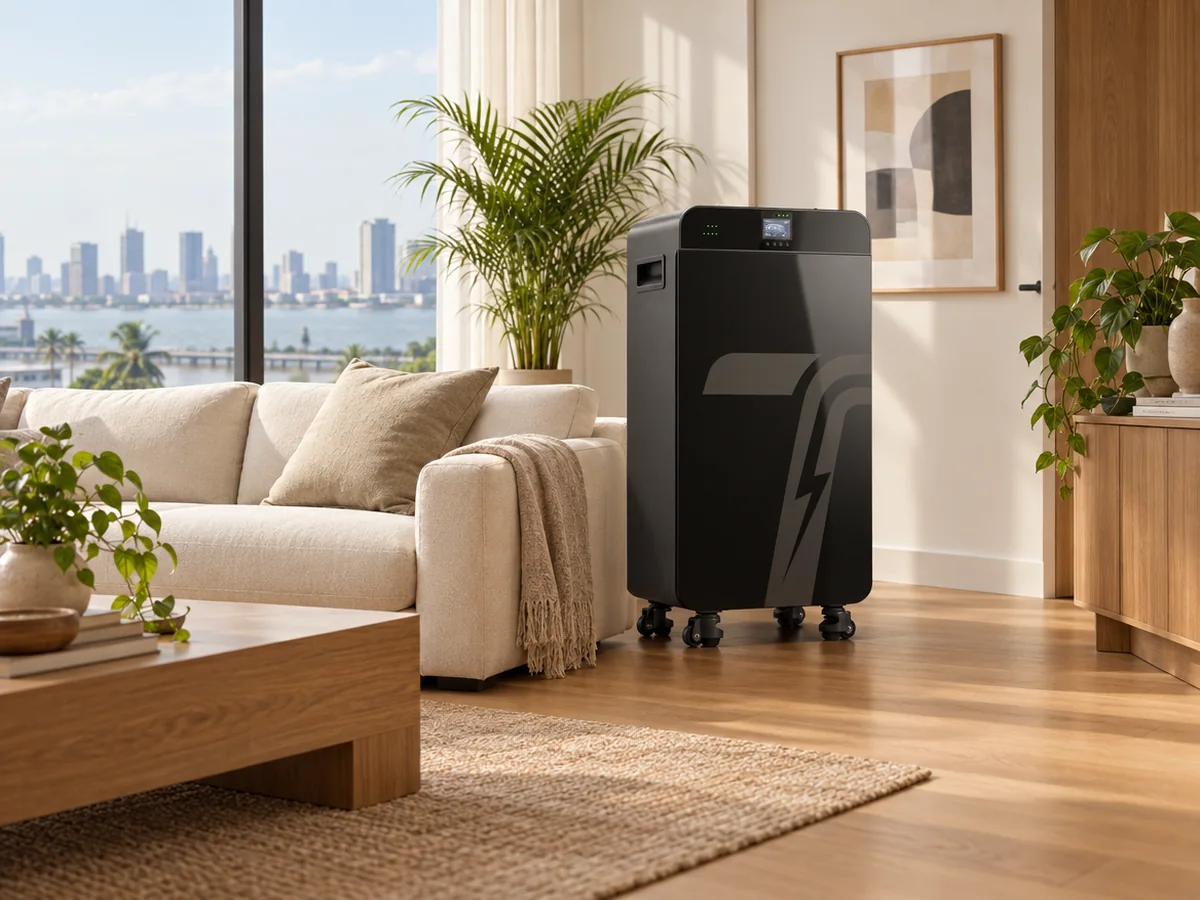
The JC-YT-5K is the biggest thing we sell, and it raises a question the smaller units never do: can I just plug it in, or do I need an electrician?
The answer depends entirely on how you intend to use it — and the difference between the two options is larger than most people expect.
Two ways to use a 5kW home battery
As a very large power station. You stand it in a corner, plug appliances directly into its sockets, and use it the way you would use a YC 2400. No electrician, no wiring, no permission from anyone. It works the moment it is charged.
Wired into your house. The unit is connected to your distribution board so that your existing sockets and lights run from it, switching over automatically when the grid fails. This is the setup most people actually want, and this one needs a qualified electrician.
Everything below is about the second option.
Why the wired installation needs a professional
Three things have to be right, and none of them are DIY territory:

- Changeover. Your battery must never feed power back into the grid line. If it does, it can energise a cable that a utility worker believes is dead. This is the single most important reason to use a professional, and it is not negotiable.
- Cable sizing. A 5,000W load draws serious current. Undersized cable heats up, and heat in a wall is how electrical fires start.
- Earthing. Proper earthing is what stands between a fault and the person touching the appliance. Nigerian domestic earthing is frequently poor, and a battery system makes that weakness matter more.
What a proper installation involves
- A survey of your distribution board and existing wiring
- Siting the unit on firm, level ground in a dry, ventilated space out of direct sun — it stands on castors, so it needs floor space rather than a wall bracket
- An automatic changeover or transfer switch between grid and battery
- Dedicated breakers for the battery circuit
- Deciding which circuits the battery carries — usually lights, sockets, fans and the fridge, deliberately excluding the water heater and any large air conditioner
- Earthing checked and corrected where necessary
- Solar input wired in if you are adding panels now or later
That last point is worth planning for even if solar is not in this month’s budget. Running the cable during the first installation is cheap. Doing it afterwards means opening walls again.
Choosing which circuits to back up
This is the part owners tend to get wrong, and it costs them.
The temptation is to put the whole house on the battery. Resist it. The moment someone switches on a water heater or a pressing iron, you have drained a night of backup in twenty minutes.
A sensible split puts lights, sockets, fans, the fridge, the TV and the router on the battery, and leaves the water heater, the cooker and any large air conditioner on grid only. You keep the things that make a blackout bearable, and you keep them for hours rather than minutes.
How long it takes and what to expect
A straightforward installation with a changeover switch is usually half a day to a day for a competent electrician. Older properties with tired wiring or no proper earth take longer, because the honest electrician will fix what he finds before connecting a battery to it.
Costs vary by state, by property and by how much remedial work your existing installation needs, so we will not quote a figure that pretends otherwise. Get two quotes locally, and be suspicious of anyone who does not want to look at your distribution board first.
Questions worth asking your electrician
- How will you prevent back-feed into the grid line?
- What cable size are you using, and why that size?
- Will you test the earth before connecting?
- Which circuits will be on the battery, and which will not?
- Are you leaving provision for solar input?
An electrician who answers these confidently is the one you want. One who waves them away is telling you something useful.
Where we can help
We deliver and we can talk your electrician through the unit’s connections, but we are a retailer — we do not certify electrical installations, and we would rather say so plainly than imply otherwise. Use a qualified local electrician, and keep whatever paperwork he gives you.
If you are still deciding between the 5K and a large portable unit, our load calculator will show you what your actual load looks like, and this guide covers what a 5kW battery can realistically carry.
Frequently Asked Questions
Can I use the JC-YT-5K without an electrician?
Yes, if you use it like a very large power station: stand it in a corner and plug appliances straight into its sockets. No wiring is needed for that.
When do I need an electrician?
When you want it wired into your distribution board so your normal sockets and lights switch to the battery automatically. That needs a qualified electrician for the changeover, cable sizing and earthing.
Should I put my whole house on the battery?
No. Back up lights, sockets, fans and the fridge, and leave out heavy loads like the water heater and large air conditioners so they do not drain or overload the system.
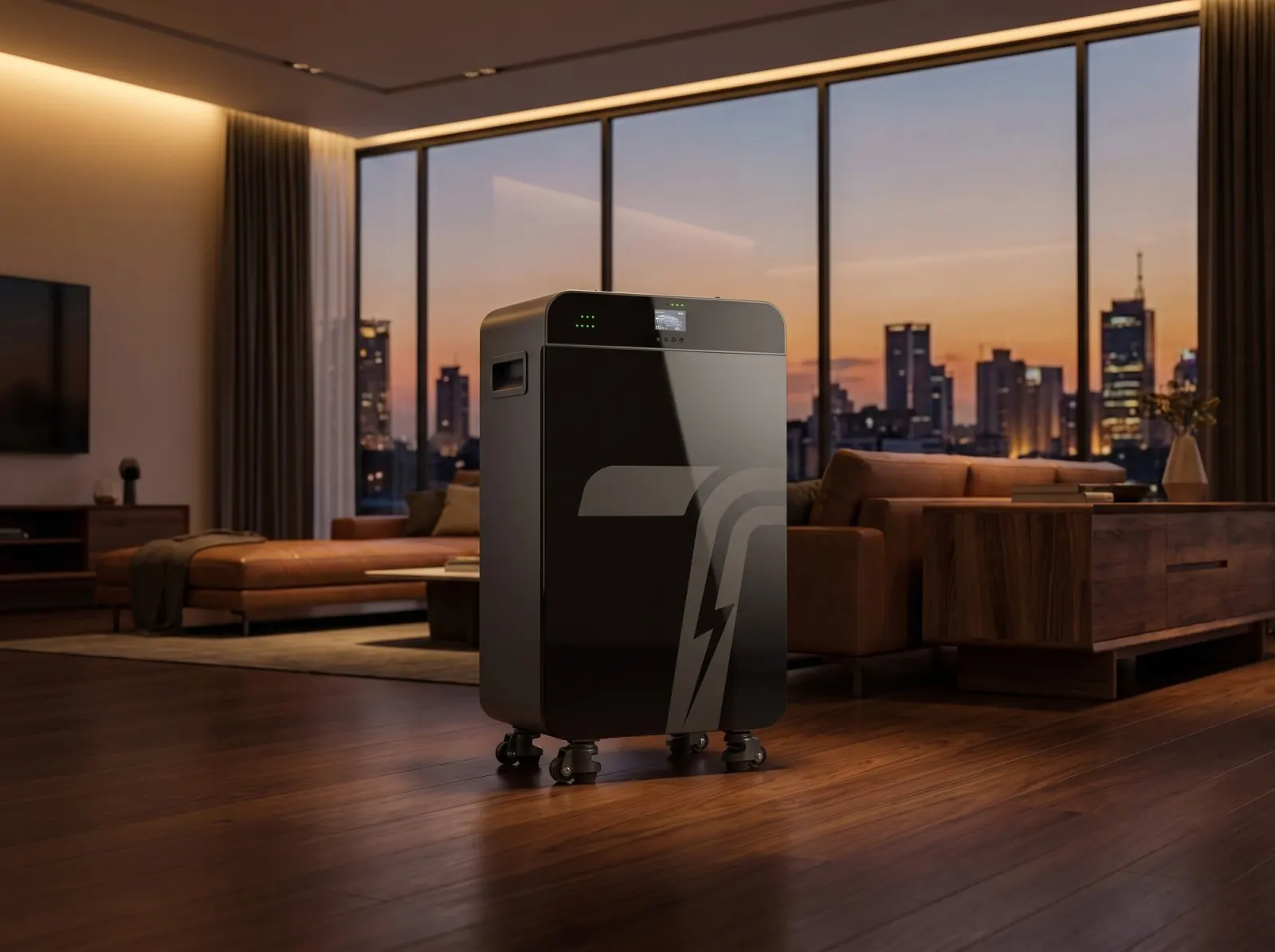
TURSAN JC-YT-5K — 5kW All-In-One Home Battery
5,000W pure sine wave inverter and 5.22kWh of BYD LiFePO₄ storage, with MPPT solar input. Free delivery within Lagos and a 2-year warranty.
₦1,650,050 View the JC-YT-5K →