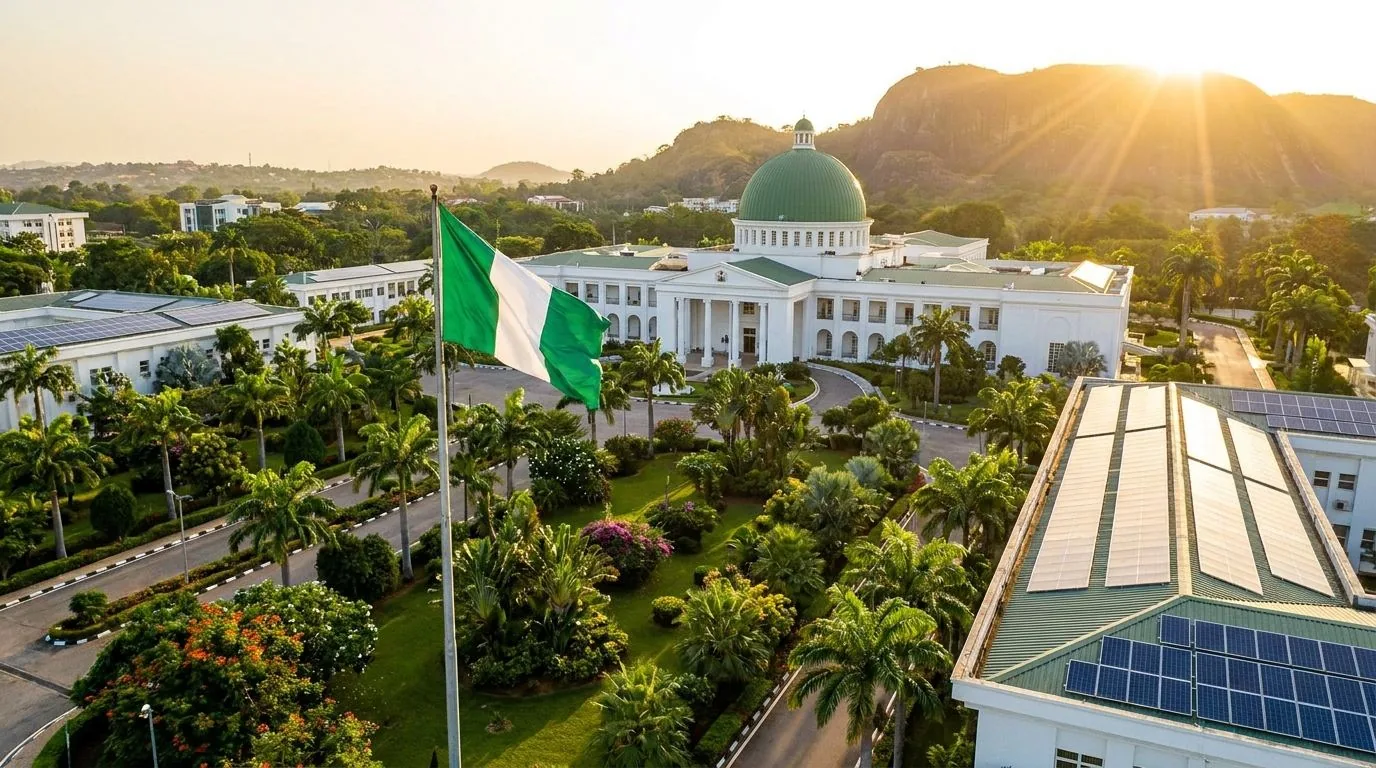
In March 2026, something happened in Abuja that every Nigerian business owner should pay attention to: Aso Rock Presidential Villa disconnected from the national grid and switched to solar power. The seat of the Nigerian presidency — the building that symbolises the country's government — decided it could no longer depend on the same electricity system that 220 million Nigerians struggle with daily.
Let that sink in for a moment. The most important building in Nigeria gave up on NEPA. If the President's own house cannot rely on the national grid, why are you still waiting for the grid to save your business?
According to the Nigerian Journal of Sustainability Research (June 2026), the Presidential Villa's transition to solar energy involved a total investment of N17 billion — N10 billion allocated in the 2025 budget and an additional N7 billion in 2026. Before the switch, the Villa was paying an astonishing N47 billion annually in electricity bills and had accumulated roughly N1 billion in debt to the Abuja Electricity Distribution Company (AEDC).
🚨 The Overbilling Problem Nobody Talks About
Here is the part that should make every Nigerian electricity consumer sit up. During the transition process, testing revealed that AEDC had been overbilling Aso Rock — charging for electricity that was never even supplied. If the Presidential Villa itself was being overbilled, imagine what is happening to ordinary businesses across Nigeria. How much are you paying for power you never received?
Why This Matters More Than You Think
Aso Rock's decision is not just a government infrastructure story. It is a signal — a very loud one — about the state of electricity in Nigeria and where the future of power is heading.
Consider the facts:
- Nigeria has over 220 million people but the government's power generation target is only around 6,000 megawatts. To put that in perspective, South Africa generates over 40,000MW for a population of 60 million.
- The national grid collapses regularly. In the first half of 2026 alone, there have been multiple nationwide grid failures, plunging businesses into darkness without warning.
- Electricity tariffs keep rising while the quality of supply keeps falling. Band A customers pay more but still experience outages.
- Aging generators are expensive to replace — and the Aso Rock move itself was partly motivated by eliminating the need to keep replacing old generators at the Villa.
Critics say the Aso Rock solar switch is an admission that the government cannot fix the national grid. Whether that is fair criticism or not, the practical lesson for business owners is clear: energy independence is no longer a luxury. It is a survival strategy.
The N17 Billion Question: What Does This Mean for Small Businesses?
Obviously, you do not have N17 billion. Neither does any small or medium business owner in Nigeria. But here is the good news: you do not need N17 billion to achieve the same result.
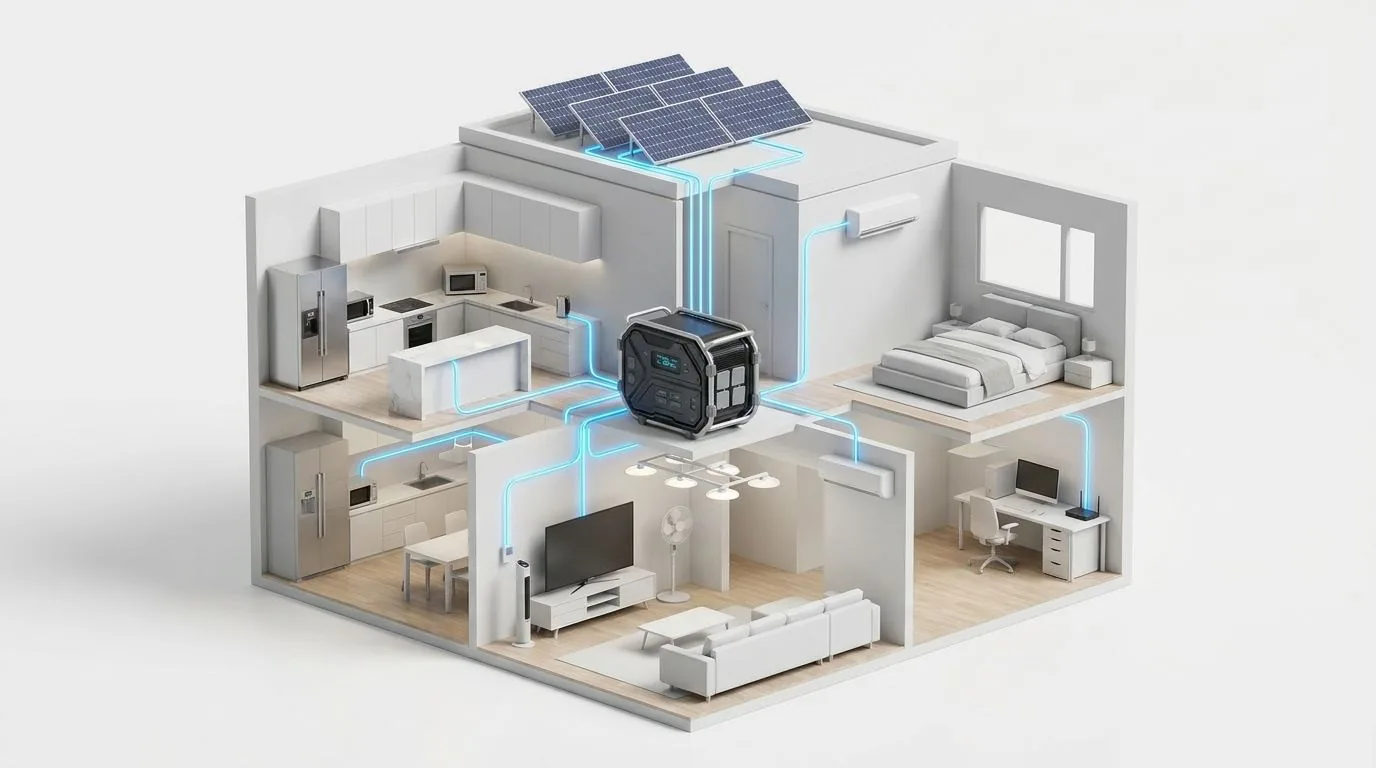
What Aso Rock did with N17 billion — eliminating dependence on the unreliable national grid, cutting out recurring electricity bills, and removing the cost of maintaining generators — you can do for your business starting from ₦439,999 with a TURSAN portable power station from NIXDIN.
The principle is exactly the same. The scale is different. The outcome is identical: energy independence.
⚡ The NIXDIN Advantage
The President spent N17 billion for energy independence. A Nigerian business owner can achieve the same thing — freedom from NEPA, freedom from generator fuel costs, freedom from overbilling — starting from ₦439,999. That is not a typo. That is the price of the TURSAN YC600S portable power station.
How Nigerian Businesses Are Already Doing What Aso Rock Did
Across Lagos, Abuja, Port Harcourt, and other cities, business owners are not waiting for the grid to improve. They are taking their power supply into their own hands — and saving serious money doing it.
Bakeries Running on Portable Power
Bakeries are one of the most energy-intensive small businesses in Nigeria. Commercial ovens, mixers, display lighting, and refrigeration all need consistent power. A bakery owner in Lagos told us that before switching to a TURSAN YC 2400, they were spending over ₦180,000 per month on diesel for their generator alone — not counting maintenance, oil changes, and the two times the generator broke down in one year, costing ₦95,000 in repairs each time.
With the YC2400 providing 2,400W of pure sine wave output, the bakery now uses the power station to run display lighting, phone charging, POS terminals, and smaller appliances during outages, while reserving the generator only for the commercial oven during peak baking. Monthly fuel costs dropped to under ₦60,000 — a saving of over ₦120,000 per month.
Cold Drink Shops and Display Fridges
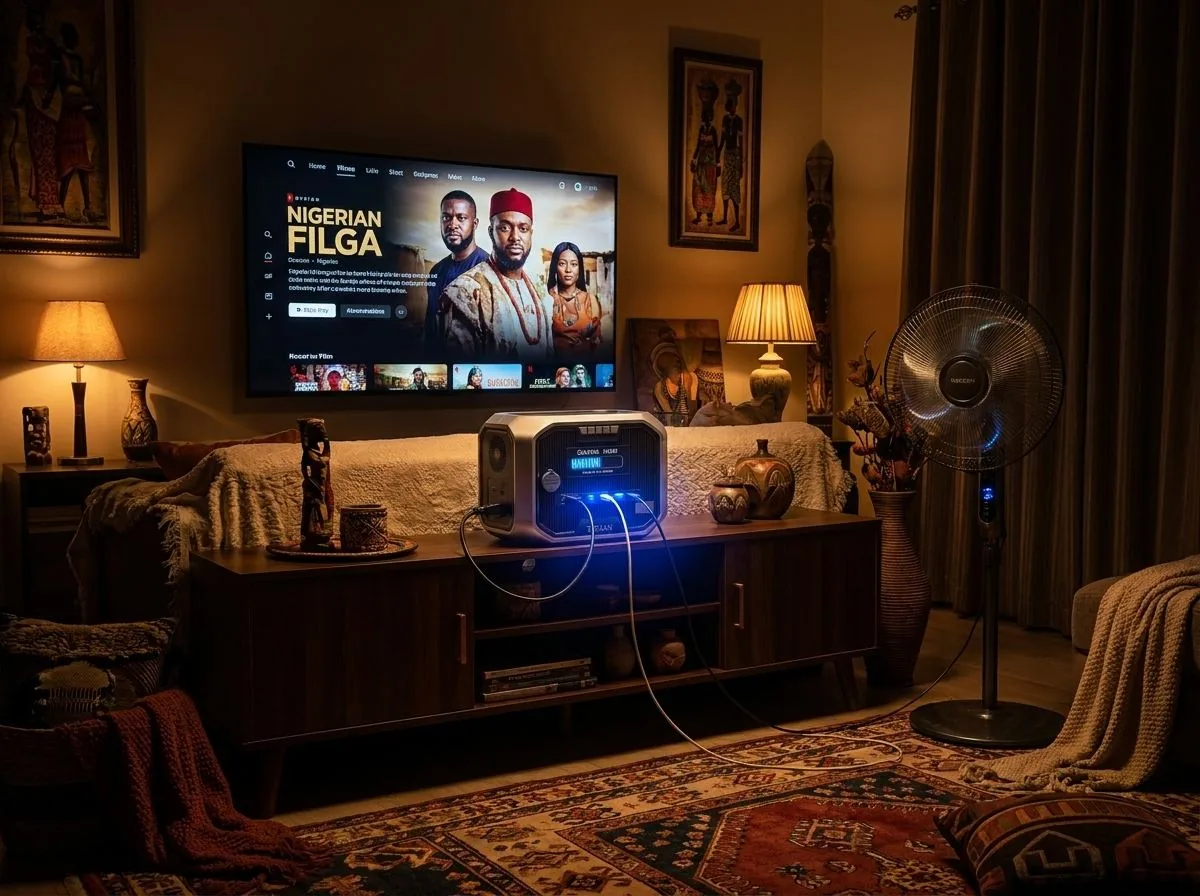
If you sell cold drinks, bottled water, or ice cream in Nigeria, your display fridge is your entire business. When NEPA takes the light, your fridge goes off, your drinks get warm, and your customers walk to the next shop. A typical small display fridge runs at 100-200W. The TURSAN YC 1200 at 1,200W can keep a display fridge running for 6-10 hours straight — more than enough to survive any outage.
One cold drink shop owner in Ikeja shared that he used to lose ₦15,000-₦25,000 worth of stock every month from drinks going warm during outages. His customers would leave and buy from competitors with generators. Since adding a TURSAN power station, he has not lost a single bottle. The power station paid for itself within three months.
Which TURSAN Power Station Is Right for Your Business?
| Model | Output | Best For | Price |
|---|---|---|---|
| YC600S | 600W | POS agents, phone charging hubs, home offices, small shops | ₦439,999 |
| YC 1100 | 1,000W | Salons, tailoring shops, small offices, remote workers | ₦539,999 |
| YC 1200 | 1,200W | Cold drink shops, display fridges, barbing salons, restaurants | ₦769,999 |
| YC 2400 | 2,400W | Bakeries, large shops, offices with multiple appliances, event vendors | ₦1,350,000 |
The Real Cost Comparison: Grid + Generator vs. Power Station
Let us do the maths that Aso Rock's accountants clearly did before making their decision:
Staying on the Grid + Generator (Annual Cost for a Small Business)
- NEPA bill: ₦15,000 - ₦40,000/month (often for unreliable supply)
- Generator fuel: ₦80,000 - ₦150,000/month
- Generator maintenance: ₦10,000 - ₦25,000/month
- Lost revenue from outages: ₦20,000 - ₦50,000/month (conservative estimate)
- Total annual cost: ₦1,500,000 - ₦3,180,000
Adding a TURSAN Power Station
- One-time purchase: ₦439,999 - ₦1,350,000
- Charging cost: ₦200 - ₦500 per charge from the grid (or free with solar)
- Maintenance: ₦0
- Lost revenue from outages: ₦0 (your business keeps running)
- Lifespan: 10+ years with 4,000+ charge cycles
Even at the highest price point, a TURSAN power station pays for itself within 6-12 months and then saves you money every single month for the next decade. Aso Rock's accountants saw the same equation — just with more zeroes.
🚨 Still Spending Money on Generator Fuel?
Every month you delay switching, you are burning ₦80,000 - ₦150,000 in generator fuel that you will never get back. Aso Rock looked at their N47 billion annual electricity bill and said "enough." How much more will you spend before you say the same?
What About Solar? Can You Add Panels Later?
Yes. Every TURSAN power station comes with an MPPT solar input, meaning you can connect solar panels and charge your power station completely free using sunlight. This is exactly what Aso Rock did at scale — and you can do it at yours.
Start with the power station now. Add a solar panel later when your budget allows. You will be charging your business's backup power supply from the sun — at zero cost, with zero dependence on NEPA, AEDC, or any distribution company.
Nigeria gets an average of 6-7 hours of peak sunlight daily. That is more than enough to fully charge a TURSAN power station every single day, giving you endless free power for your business.
The Lesson from Aso Rock
"When the Presidential Villa decides it cannot depend on the national grid, the message to every Nigerian business owner is unmistakable: take your power supply into your own hands. Do not wait for the grid to save you — it will not."
Aso Rock spent N17 billion because they operate at presidential scale. But the principle applies whether you are running a bakery in Surulere, a cold drink shop in Ikeja, a salon in Port Harcourt, or a tech startup in Lekki. Energy independence is available to you today — at a fraction of the cost.
The TURSAN YC2400 gives you 2,400W of clean, silent, portable power. No fuel. No maintenance. No noise. No fumes. No overbilling. No dependence on a grid that fails you every week.
Aso Rock made its choice. It is time to make yours.
Source: Nigerian Journal of Sustainability Research, June 2026
Frequently Asked Questions
Did Aso Rock really switch to solar?
Yes. In March 2026 the Presidential Villa disconnected from the national grid and switched to solar power, with a total investment reported at ₦17 billion.
Why does this matter for businesses?
If the seat of government cannot rely on the national grid, ordinary businesses should not wait for it either. Having your own stored or solar power protects your income from outages.
Can a small business do the same on a smaller scale?
Yes. A power station or an inverter with lithium batteries and solar panels gives a shop or office its own backup, without needing a large installation.
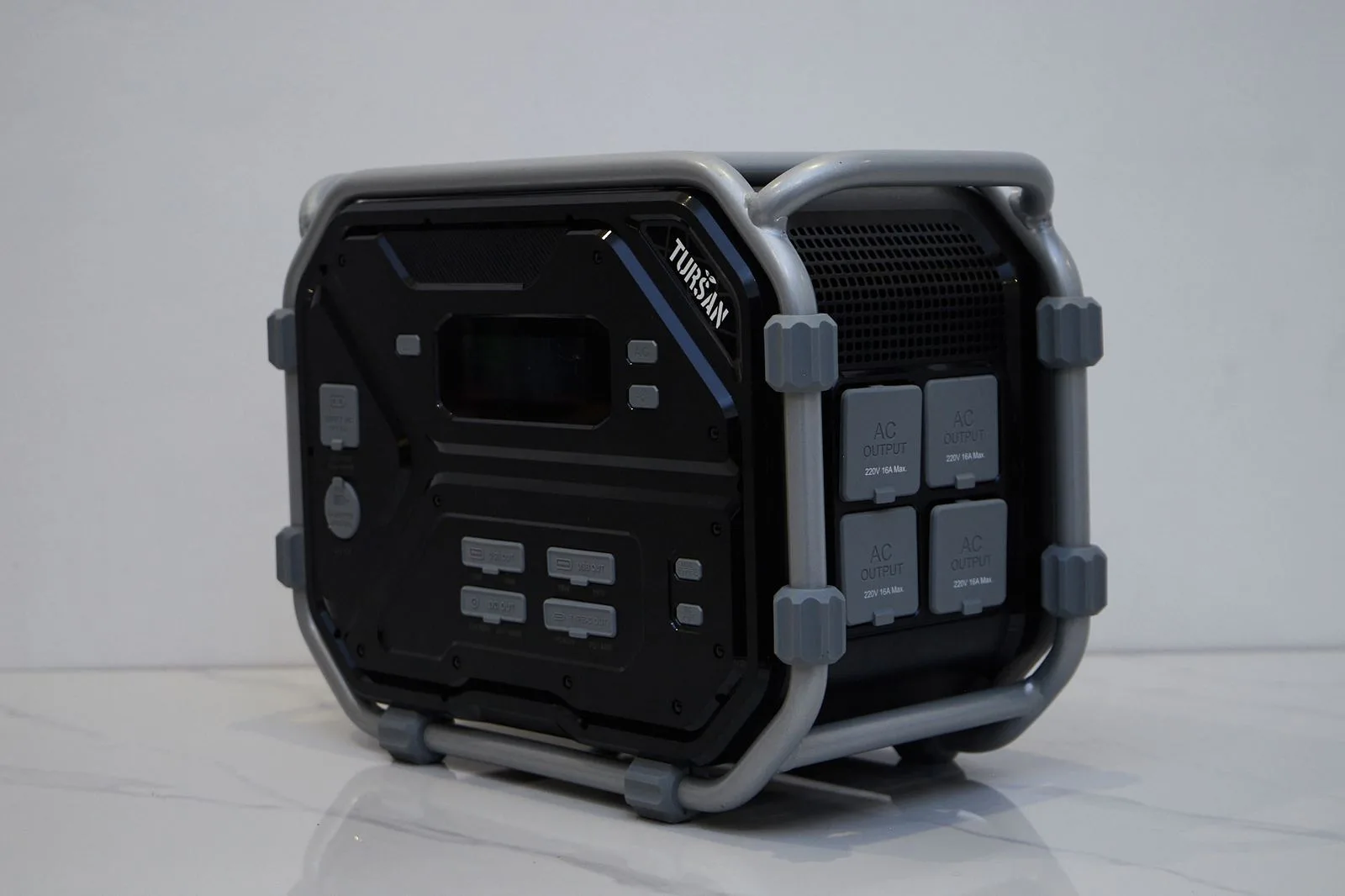
TURSAN YC2400 Portable Power Station
The flagship unit for serious business owners. 2,400W pure sine wave output, BYD LiFePO4 battery, 4,000+ charge cycles, MPPT solar input. Power your bakery, shop, office, or event setup without fuel, noise, or maintenance. 2-year warranty included.